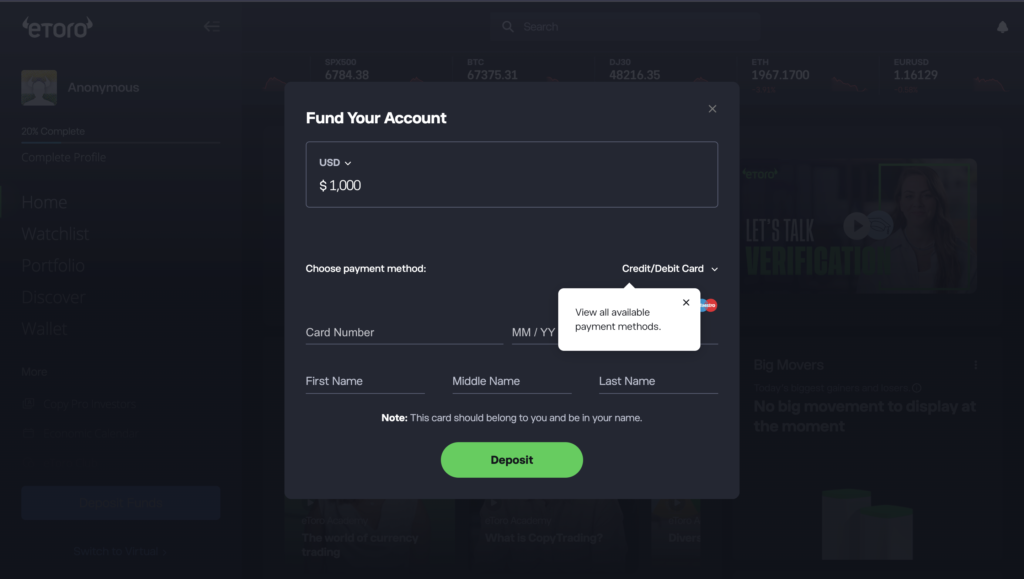
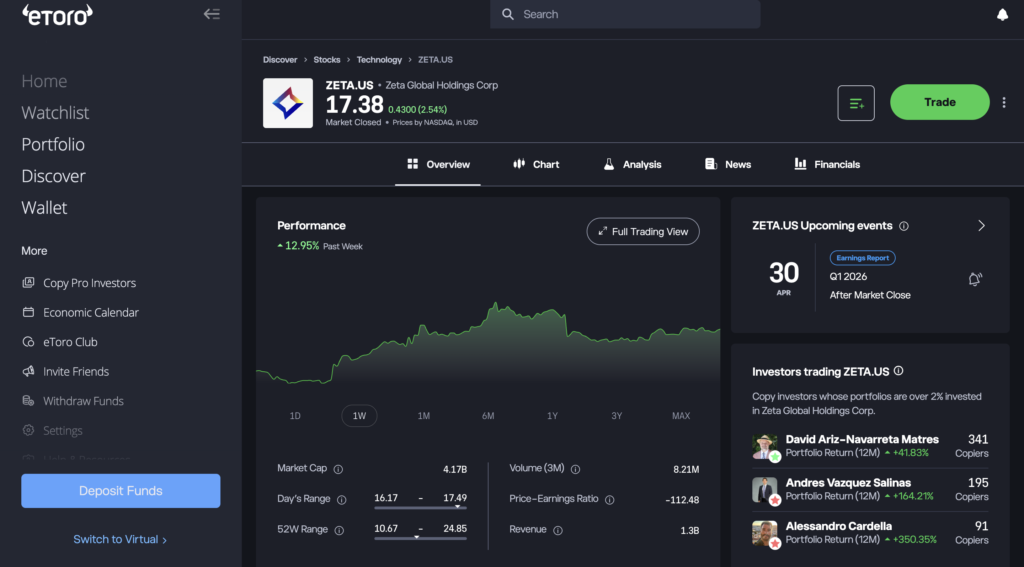
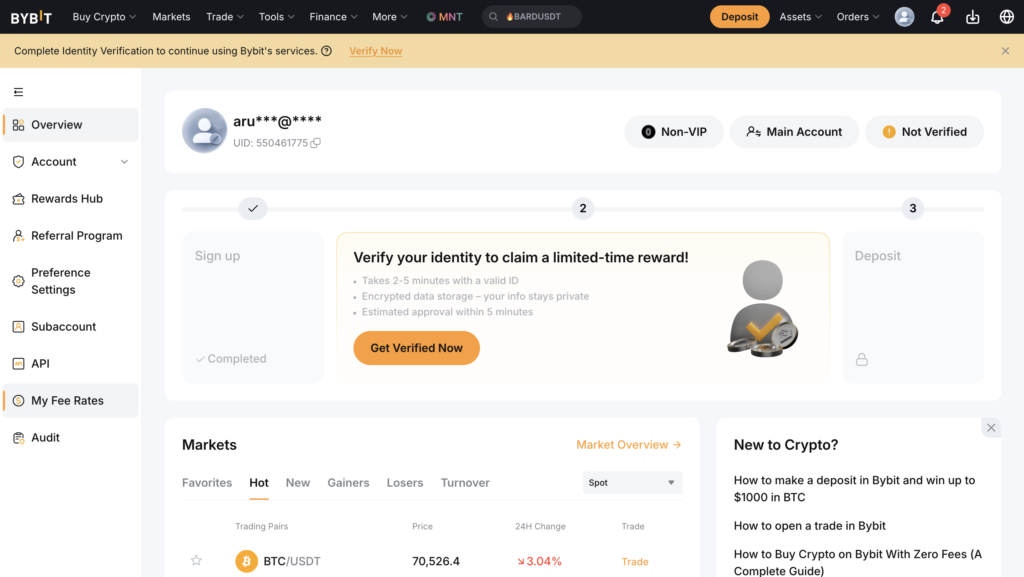
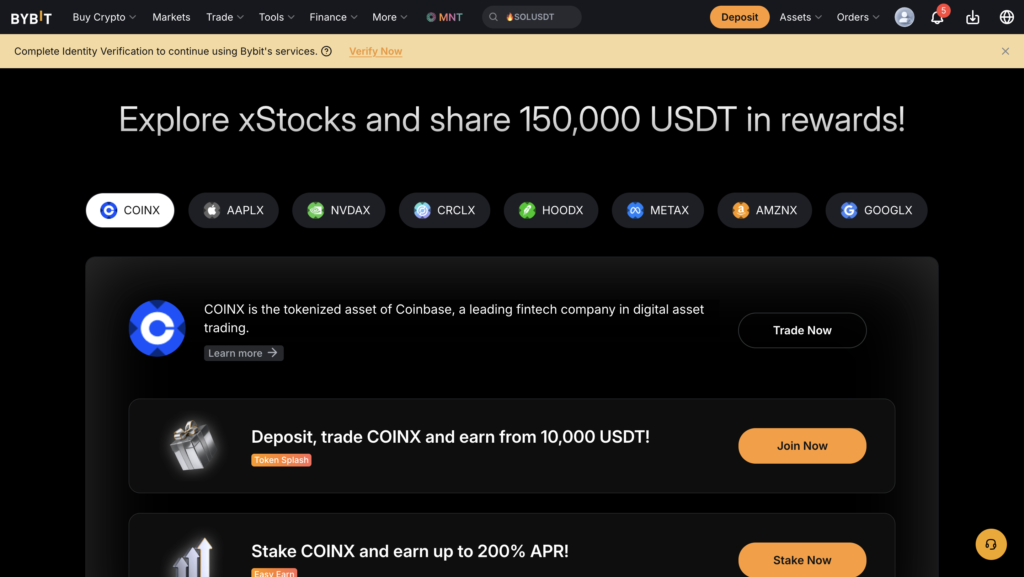
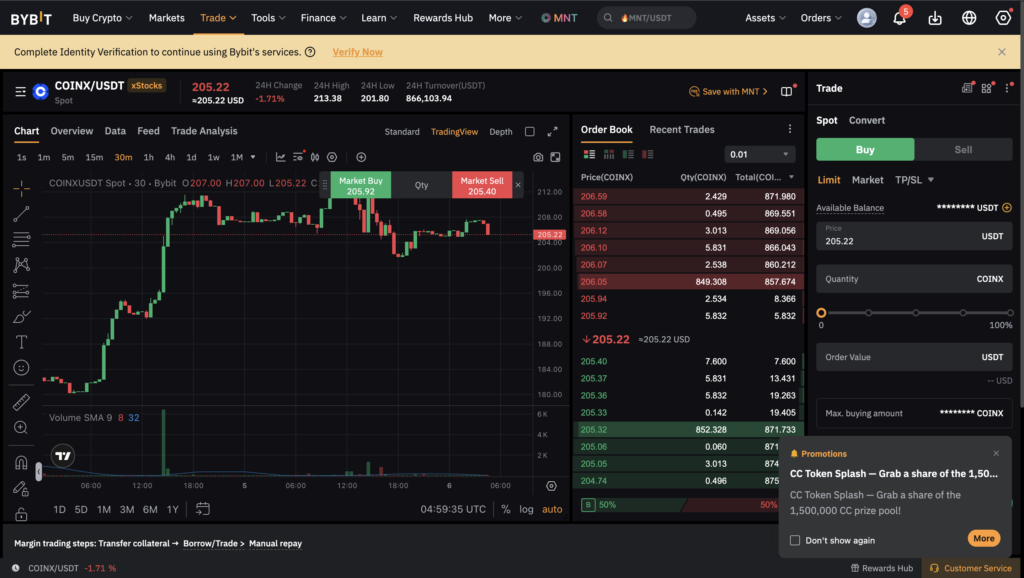
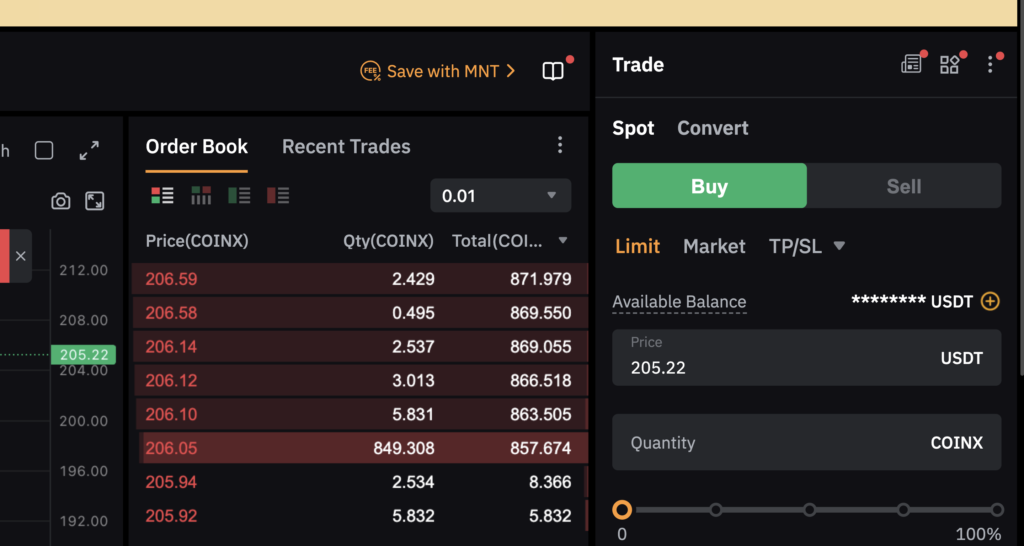
Many people are curious about how to trade US stocks with cryptocurrency but feel lost. Questions like, “Do I need a special platform?” or “Can I really buy Tesla with Bitcoin?” are common. Traditional brokers only accept fiat (USD, EUR, etc.), so the process can seem confusing.
This guide will show you how to trade US stocks using crypto in a simple, step-by-step way. You will learn what platforms allow this, how to set up your accounts, and how to safely make trades without unnecessary complications. Screenshots and examples will guide you, so you can follow along confidently. By the end, you will know exactly where to click, what mistakes to avoid, and how to manage your crypto-to-stock trades efficiently.
What is Trading US Stocks with Crypto?
Trading US stocks with crypto means using cryptocurrencies such as Bitcoin, Ethereum, or stablecoins to buy shares of companies listed on US stock exchanges like the NYSE or NASDAQ. Traditionally, you would need to convert your crypto into US dollars before buying stocks. However, several platforms now allow you to trade directly with crypto or use tokenized stocks.
Tokenized stocks are digital versions of real shares. They represent actual ownership in the underlying company, but they are held on the platform in a blockchain-friendly format. This allows you to trade US stocks even if you do not have a US bank account.
With crypto-based trading, you can also buy fractional shares, meaning you do not need the full price of expensive stocks like Tesla or Amazon to invest. This opens the door for smaller investors to participate in the US stock market while keeping their assets in cryptocurrency.
Overall, trading US stocks with crypto combines the flexibility of digital currencies with access to traditional equity markets, creating a smoother, faster, and globally accessible trading experience.
Why Use Crypto to Trade US Stocks
Trading US stocks with cryptocurrency can be faster and more flexible than using traditional bank accounts or brokerage methods.
Global Access: You can trade US stocks even if you do not have a US bank account. Crypto allows international investors to participate directly, removing barriers like wire transfers and currency conversions.
Faster Transactions: Depositing crypto is often quicker than sending fiat money through banks. This means you can fund your account and place trades more efficiently, which is helpful when markets move quickly.
Fractional Shares: Many platforms let you buy partial shares of expensive stocks such as Tesla or Amazon. This allows smaller investors to diversify their portfolio without needing a large sum of money.
Portfolio Diversification: Managing crypto and stock investments in one platform is simpler. You can track gains, losses, and overall allocation in one place, which makes planning your investments easier.
While trading with crypto is convenient, it is important to understand the fees, platform rules, and volatility. Some tokenized stocks may have withdrawal limits, and conversion fees can affect your overall returns. Following step-by-step instructions and staying aware of these details helps you trade safely and confidently.
Step-by-Step Instructions
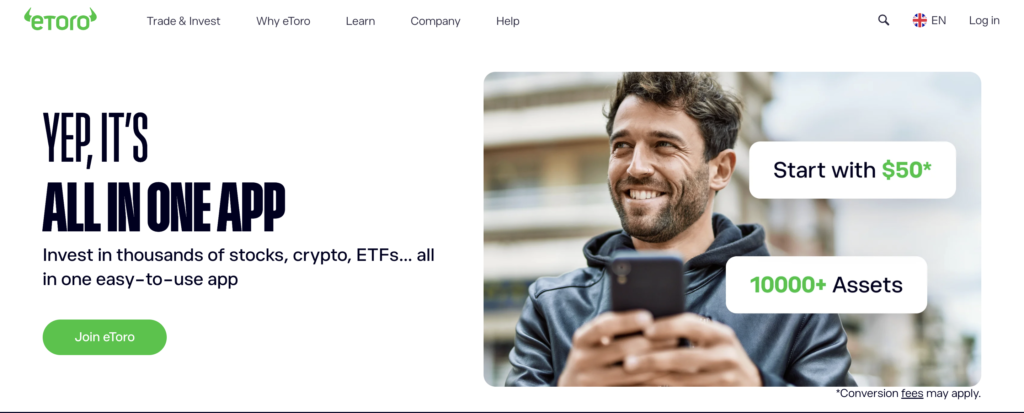
Step1 : Choose a Crypto-Friendly Stock Trading Platform
Connect your crypto wallet (MetaMask, Coinbase Wallet, etc.).
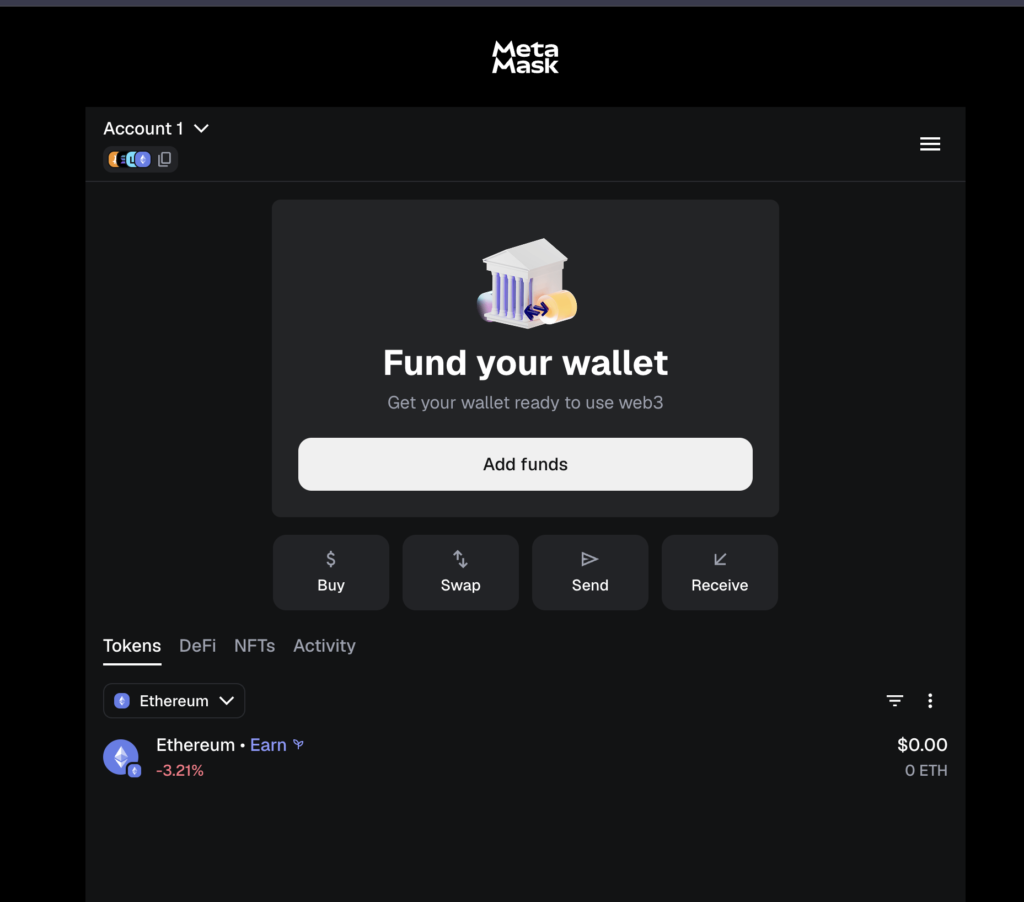
Step2 : Fund Your Wallet
Deposit crypto (USDC is preferred) into your connected wallet. (metamask)
Ensure your wallet has enough funds for the stock purchase and gas fees.
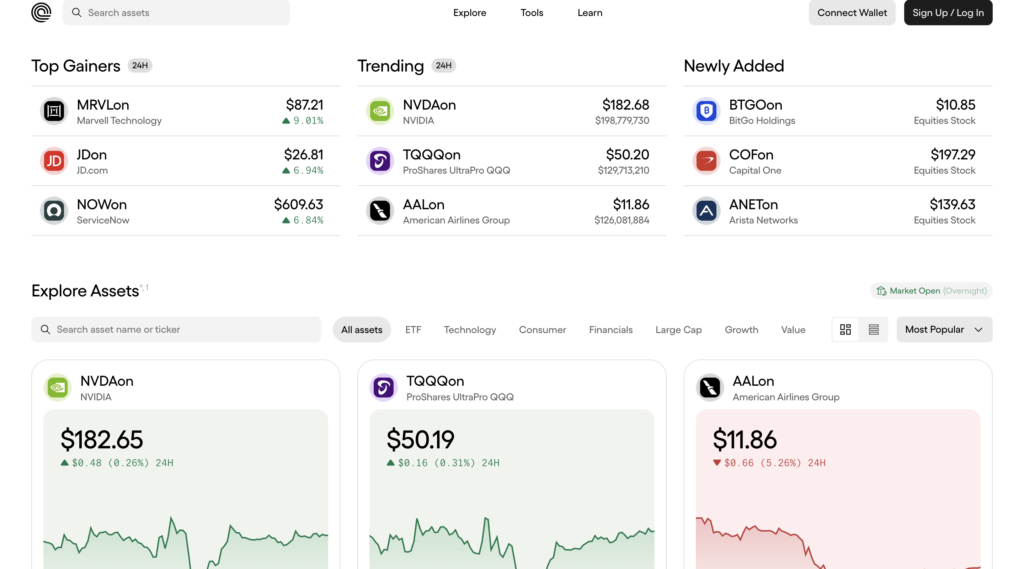
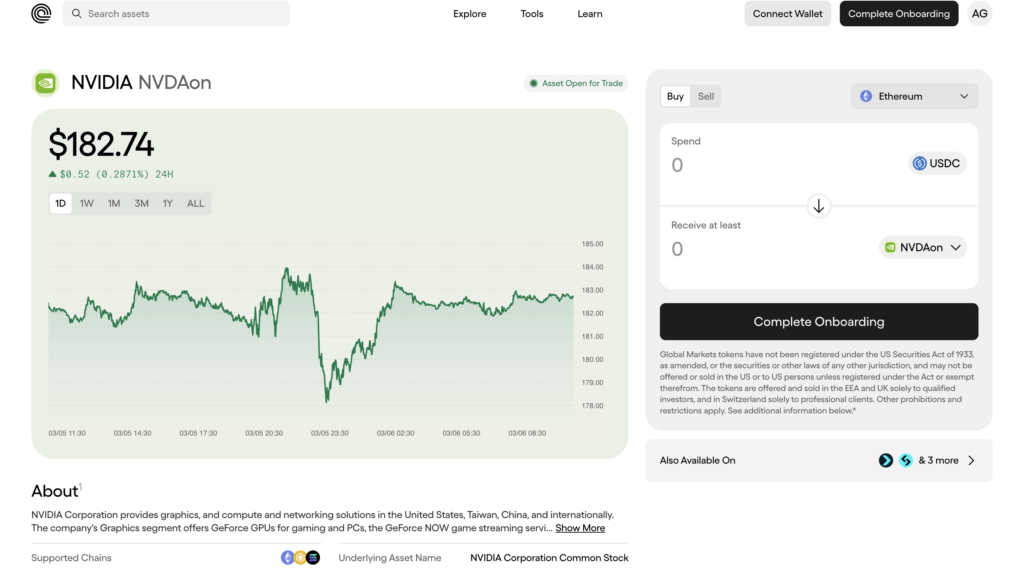
Step3 : Browse Tokenized Stocks
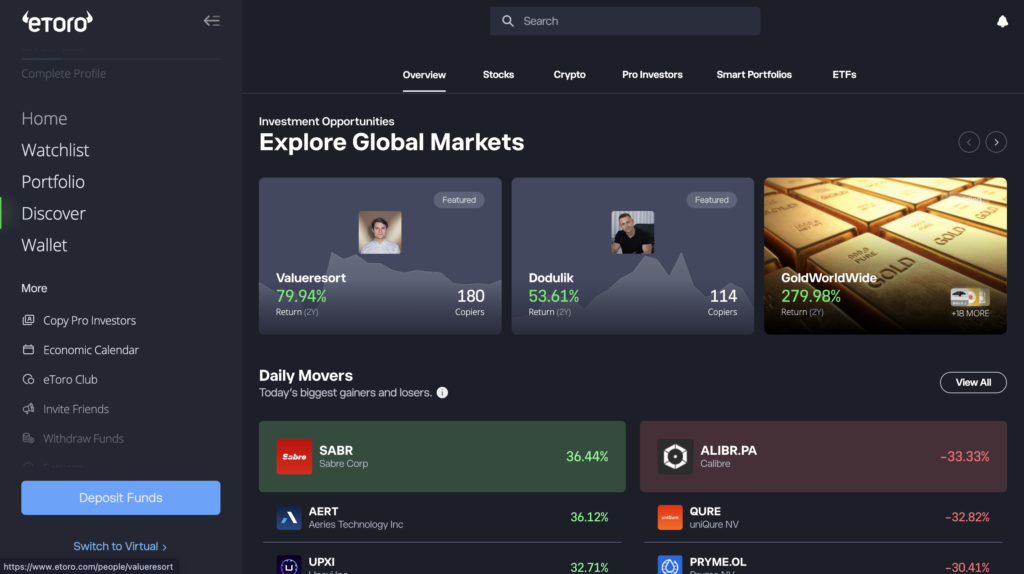
Go to Markets or Products -> Stocks.
Select the US stock you want to buy (e.g., AAPL, TSLA).
Step4: Place Your Trade
Enter the amount of stablecoin you want to invest.
Review transaction details, including price and fees.
Confirm the transaction in your wallet.
Step5: Track and Manage Holdings
Your tokenized stocks appear in your wallet or Ondo portfolio.
You can sell back into stablecoins anytime via the platform.
Common user mistakes when trading crypto for stocks and how to prevent them
Metric
What Happens
How to Fix It
Wrong Crypto Network
Funds may be permanently lost if sent on the wrong blockchain ↓
Verify network compatibility before sending; use recommended network ↑
Account Not Verified
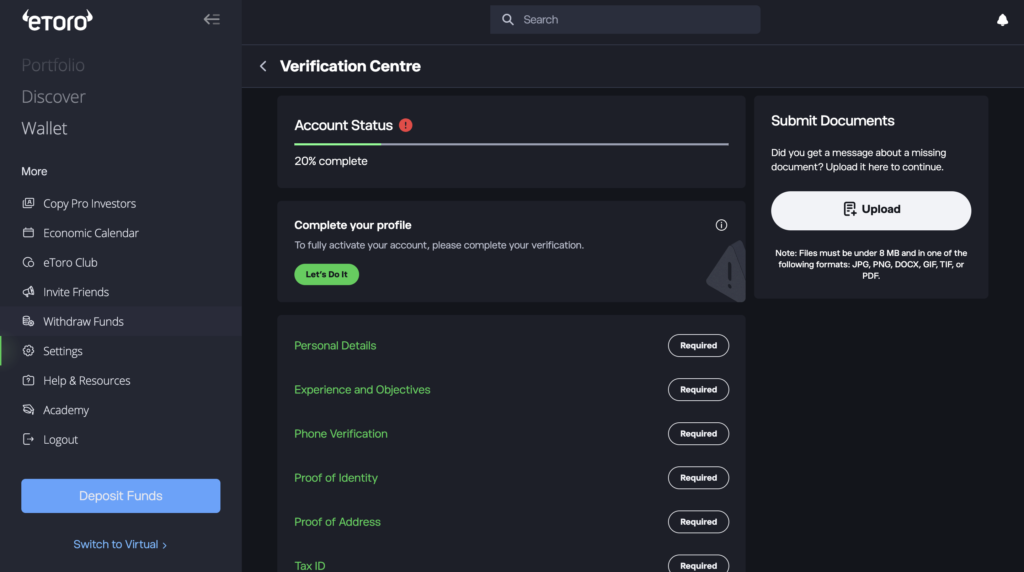
Deposits blocked or trades delayed due to missing KYC ↓
Complete identity verification and upload correct documents ↑
Ignoring Fees
Hidden conversion or transaction fees reduce trade value ↓
Review fee structure and factor costs into trade size ↑
Buying Too Much at Once
Volatility may cause unexpected short-term losses ↓
Start small; scale position gradually as confidence grows ↑
Neglecting Security
Weak passwords or no 2FA can lead to account compromise ↓
Use strong passwords and enable two-factor authentication (2FA) ↑
Best Practices / Tips
Keep crypto in your platform wallet only when trading Avoid storing crypto long-term on exchanges. Move funds to a personal wallet when not trading and keep only the amount you plan to use on the platform.
Check daily price movements before placing trades Crypto and tokenized stock prices change quickly. Reviewing daily charts helps you make informed decisions and avoid large trades during volatile periods.
Use fractional shares to diversify your portfolio Fractional shares let you invest in expensive stocks like Amazon or Tesla without large capital. Diversifying across companies reduces risk.
Keep track of tax obligations Crypto-to-stock trades may have tax implications. Record deposits, trades, and withdrawals. Downloadable transaction histories help ensure accurate reporting.
Enable security measures like 2FA and strong passwords Two-factor authentication and unique passwords reduce the risk of unauthorized access. Regularly update passwords and avoid reusing them.
Start small and scale gradually Begin with a small investment to get familiar with the platform, fees, and order execution. Increase trade size gradually as you gain confidence.
It can be safe if you use regulated platforms, enable strong account security (2FA, hardware wallets where applicable), and understand counterparty and custody risks.
Do I need a US bank account?
No. Many crypto-integrated stock platforms allow users to fund accounts directly with supported cryptocurrencies instead of traditional bank transfers.
Can I buy fractional shares with crypto?
Yes. Numerous platforms support fractional share purchases, allowing users to invest smaller amounts rather than buying full shares.
Are there fees for crypto-to-stock trades?
Typically yes. Users may incur crypto conversion spreads, network fees, and standard trading commissions depending on the platform.
Which cryptocurrencies are accepted?
Commonly accepted assets include Bitcoin, Ethereum, and USDT, with some platforms supporting additional stablecoins or major cryptocurrencies.
How long does a trade take?
After crypto deposit confirmation, trades typically execute within minutes during market hours, subject to platform processing times.
Can I sell my stocks back into crypto?
Yes. Most crypto-integrated trading platforms allow users to liquidate stock positions and convert the proceeds back into supported cryptocurrencies.