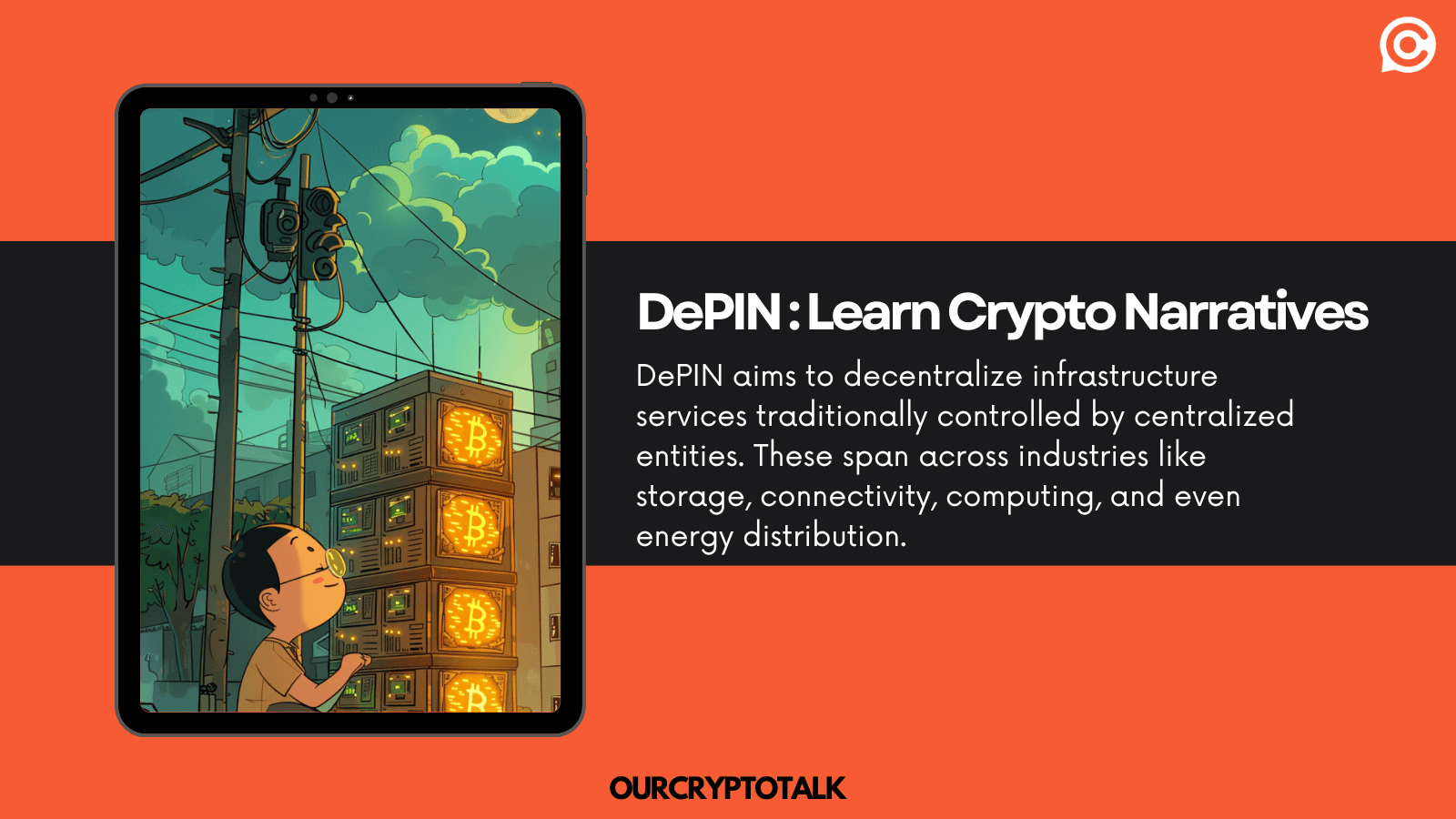
DePIN : Learn Crypto Narratives
Explore DePIN: Decentralized Physical Infrastructure Networks revolutionizing storage, computing, and energy with blockchain.


Author: Chirag Sharma
In the rapidly evolving world of blockchain technology, a new narrative is taking center stage: DePIN (Decentralized Physical Infrastructure Networks). Unlike many crypto applications that exist purely in the digital realm, DePIN bridges the gap between blockchain and the physical world. By decentralizing essential infrastructure like storage, connectivity, and computing power, DePIN projects offer solutions to some of the most pressing challenges faced by centralized systems today.
For example, Filecoin enables decentralized storage, Helium builds IoT networks powered by community participants, and Render Network provides GPU rendering through global collaboration. These projects, and many others, are redefining how physical assets and resources are managed, utilized, and monetized.
This article dives into the world of DePIN, exploring its potential, components, use cases, and the challenges it faces. Whether you’re a blockchain enthusiast, an investor, or someone curious about how crypto can impact real-world infrastructure, understanding DePIN could be your next big revelation.

What is DePIN?
At its core, DePIN (Decentralized Physical Infrastructure Networks) refers to a new class of blockchain projects that aim to decentralize infrastructure services traditionally controlled by centralized entities. These services span across industries like storage, connectivity, computing, and even energy distribution.
DePIN uses blockchain technology to coordinate, incentivize, and manage the contribution of resources from individuals and organizations. Instead of relying on centralized providers, participants can contribute their underutilized resources—be it storage space, internet bandwidth, or computing power—in exchange for cryptocurrency tokens.
How DePIN Differs from Traditional Infrastructure
Traditional infrastructure relies on centralized control, with large corporations or governments managing physical assets. While this model has worked for decades, it comes with limitations:
- Inefficiency: Centralized systems often have single points of failure, leading to downtime and bottlenecks.
- High Costs: Overheads, monopolistic practices, and middlemen drive up the cost for end-users.
- Lack of Transparency: Users have little insight into how their data or resources are managed.
In contrast, DePIN leverages the decentralized and transparent nature of blockchain to eliminate inefficiencies, reduce costs, and empower participants with greater control. Smart contracts automate resource allocation, while token incentives ensure active participation and fair compensation.
By decentralizing physical infrastructure, DePIN introduces a more resilient and equitable model for managing real-world resources.
The Need for Decentralized Physical Infrastructure
Why is there a growing demand for DePIN solutions? The answer lies in the limitations of centralized systems and the opportunities offered by blockchain technology.
Challenges of Centralized Infrastructure
- Data Privacy Concerns: Centralized providers often store vast amounts of user data, increasing the risk of breaches.
- Monopolies and High Costs: Dominant players in sectors like cloud storage or internet services often exploit their position, leading to inflated prices.
- Limited Accessibility: High costs and resource scarcity often make traditional infrastructure inaccessible to smaller businesses or individuals.
- Lack of Resilience: Centralized systems are more vulnerable to outages, hacking, and natural disasters due to their single points of failure.
Benefits of Decentralized Physical Infrastructure
- Cost Efficiency: By removing intermediaries, DePIN solutions reduce costs for end-users.
- Enhanced Privacy: Blockchain’s immutable ledger ensures data security and transparency, addressing privacy concerns.
- Global Accessibility: Decentralization allows anyone with the necessary resources to participate in and benefit from the network.
- Resilience and Redundancy: Distributed systems are inherently more robust, with no single point of failure.
For example, consider the Helium network, which incentivizes individuals to set up wireless hotspots for IoT devices. This decentralized approach eliminates the need for a single provider while expanding coverage to underserved areas. Similarly, Filecoin uses decentralized storage to offer cost-effective and censorship-resistant data storage.
Key Components
DePIN projects rely on a combination of blockchain technology, tokenization, and community participation to function effectively. Below are the key components that make DePIN possible:
1. Blockchain Technology
Blockchain serves as the backbone of DePIN systems, providing the following benefits:
- Transparency: All transactions and resource allocations are recorded on an immutable ledger.
- Security: Cryptographic protocols ensure data integrity and prevent unauthorized access.
- Automation: Smart contracts streamline processes, such as payments and resource allocation.
2. Tokenization
In DePIN, resources like storage space, bandwidth, or computing power are tokenized, allowing contributors to earn cryptocurrency tokens for their participation. These tokens act as a medium of exchange and incentivize resource sharing. For example:
- Filecoin rewards participants with FIL tokens for offering unused storage space.
- Render Network pays contributors with RNDR tokens for providing GPU rendering services.
3. Crowdsourced Contributions
A decentralized system relies on participants—be they individuals or organizations—who contribute their resources. By incentivizing these contributions, DePIN projects tap into underutilized resources, creating a shared economy model.
4. Smart Contracts
Smart contracts are self-executing agreements coded into the blockchain. They automate critical processes like:
- Allocating resources based on demand.
- Distributing payments to contributors.
- Enforcing network rules without intermediaries.
Together, these components create a seamless and decentralized system capable of managing physical resources more efficiently than traditional methods.
DePIN Use Cases: Transforming Industries
The potential of DePIN (Decentralized Physical Infrastructure Networks) extends far beyond the realms of crypto. By leveraging blockchain technology, tokenization, and decentralized coordination, DePIN projects are making waves across multiple industries. Let’s explore some of the most impactful use cases, incorporating emerging players like ANyONe Protocol and GamerHash.
1. Privacy-Enhanced Networking
One of the pressing concerns in today’s digital landscape is maintaining online privacy. Traditional systems often rely on centralized servers that can be monitored, hacked, or censored. ANyONe Protocol is tackling this issue head-on by creating a decentralized privacy network.
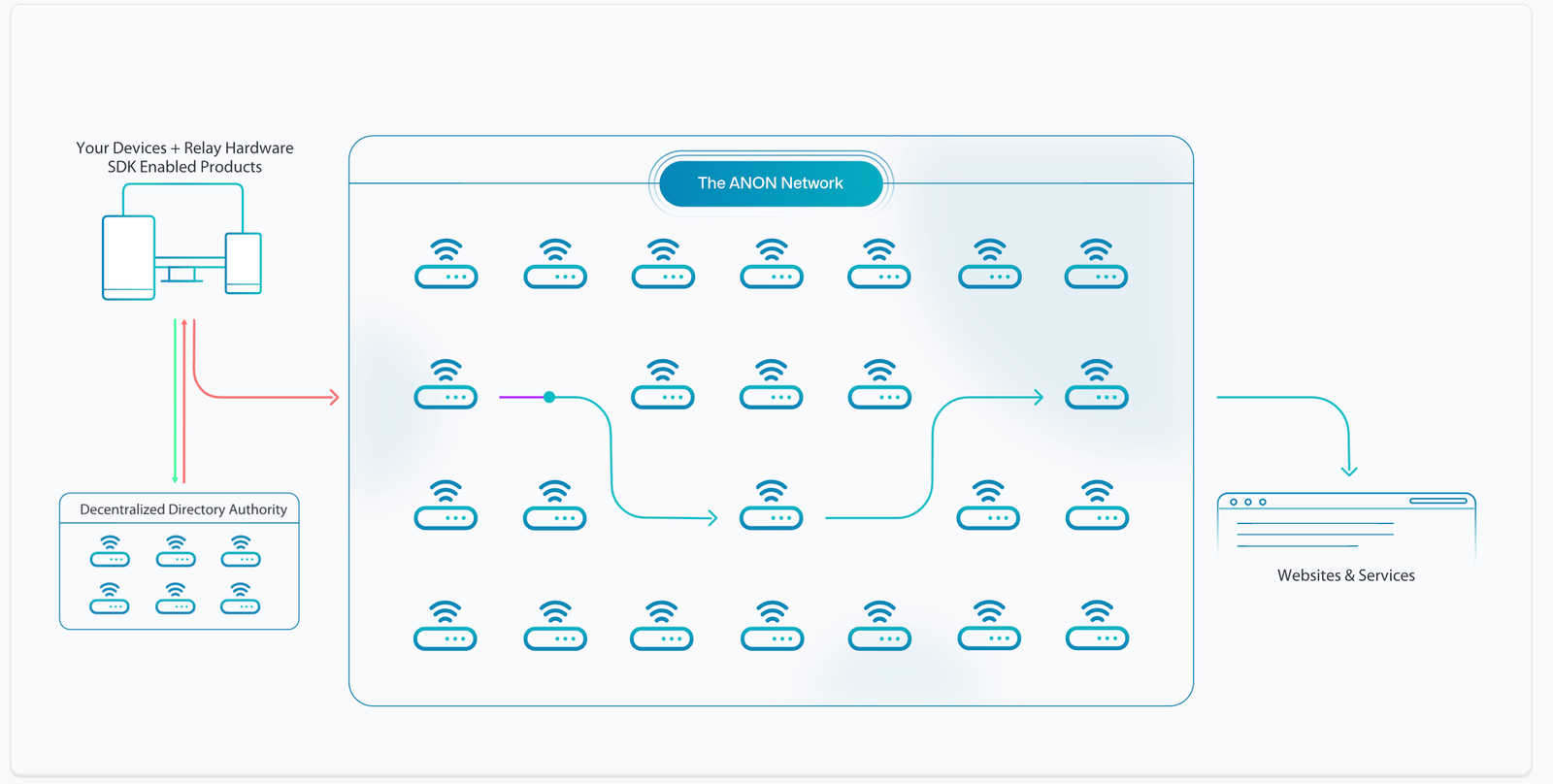
Source : anyone
- How It Works: ANyONe distributes the workload of privacy protection across a network of relays. These relays, powered by users contributing bandwidth, ensure anonymity and safeguard data.
- Token Incentives: Participants earn $ANYONE tokens for their contributions, fostering a robust and incentivized network.
- Use Cases: ANyONe enables privacy for applications ranging from secure communication tools to decentralized VPNs, protecting users from surveillance and data tracking.
This approach is not only revolutionary for internet privacy but also demonstrates how DePIN principles can decentralize traditionally monopolized services.
2. Decentralized Cloud and AI Infrastructure
As the demand for AI computations grows, centralized systems are struggling to keep up with scalability and cost-effectiveness. DePIN projects like GamerHash are stepping in to fill this gap by tapping into underutilized computing resources.
- How It Works: GamerHash uses idle GPU power from gaming PCs to perform AI-related computations, such as model training and inference.
- The Role of GHX Tokens: Participants earn GHX tokens as rewards, which can be used for purchasing games, NFTs, or staking for additional rewards.
- Broader Implications: By decentralizing AI computation, GamerHash not only reduces costs but also democratizes access to AI tools, making them available to smaller businesses and independent developers.
This model is a prime example of how DePIN can repurpose existing resources, creating value for both contributors and end-users.
3. Decentralized Storage Solutions
Storing data in centralized systems often leads to concerns about security, censorship, and high costs. DePIN projects like Filecoin (FIL) and Arweave (AR) provide alternatives by offering decentralized storage options.
- Filecoin: Operates as a marketplace where users can rent out their unused disk space, earning FIL tokens. This creates a global network of storage providers, reducing costs and enhancing data accessibility.
- Arweave: Focuses on permanent data storage, making it ideal for applications like archiving or storing immutable records. Transactions are conducted using AR tokens.
These solutions are invaluable for industries such as media, healthcare, and finance, where secure and cost-effective storage is paramount.
Challenges Facing Adoption
While the potential of DePIN is immense, it’s not without hurdles. From technical limitations to regulatory concerns, the journey to mainstream adoption is filled with challenges. Let’s explore these obstacles and how they might be overcome.
1. Technical Scalability
One of the biggest challenges DePIN projects face is scaling their networks to meet global demands.
- Decentralized Coordination: Managing millions of contributors and resources on a blockchain can lead to bottlenecks and delays.
- Bandwidth and Hardware Limitations: For projects like Helium or ANyONe, ensuring consistent network performance across varied devices can be difficult.
Potential Solutions:
- Layer 2 solutions and sharding can enhance blockchain scalability.
- Advanced algorithms for resource allocation can improve efficiency.
2. User Adoption and Awareness
Many potential users are unfamiliar with how DePIN works or the benefits it offers. Without widespread adoption, these projects might struggle to achieve network effects.
Strategies to Boost Adoption:
- Education Campaigns: Simplifying the technical jargon and focusing on real-world benefits.
- Incentives: Offering attractive token rewards to early adopters.
Projects like GamerHash, which incentivizes gamers through GHX rewards, are excellent examples of user-friendly models that drive adoption.
3. Regulatory Challenges
Decentralized networks often operate in a gray area when it comes to regulations. Issues such as data sovereignty, taxation, and legal compliance can hinder progress.
Navigating Regulations:
- Transparent governance models, such as DAOs, can help ensure compliance with local laws.
- Collaborations with regulators can foster trust and clarity.
4. Competition from Centralized Systems
Centralized giants often have the resources and market dominance to outcompete smaller, decentralized projects.
What Gives DePIN an Edge:
- Cost efficiency, transparency, and user empowerment are unique selling points that centralized systems struggle to replicate.
Real-World Impact of DePIN Projects
DePIN isn’t just a theoretical concept; it’s already making tangible impacts across the globe. Projects like Helium, Filecoin, and Render Network are pioneering this space, transforming industries and setting the stage for a decentralized future.
- Helium (HNT): Decentralized IoT connectivity has expanded access to wireless networks in remote areas.
- Render Network (RENDER): Global collaboration in GPU rendering is empowering creators and reducing production costs.
- GamerHash (GHX): Bridging gaming and AI computation through incentivized participation.
By addressing inefficiencies and empowering communities, DePIN is proving that blockchain technology can revolutionize the physical infrastructure landscape.
Economic Models in DePIN
The financial backbone of DePIN (Decentralized Physical Infrastructure Networks) is its token-based economic model. These models incentivize participation, ensuring the ecosystem grows sustainably while rewarding contributors. Let’s examine the key elements of these economic frameworks and how they shape DePIN projects.
1. Incentivizing Contributors
In DePIN, participants often contribute resources such as bandwidth, storage, or computing power. To reward these contributions, projects issue native tokens, creating a cycle of value creation and distribution.
- Helium (HNT): Rewards users for providing IoT network coverage with HNT tokens.
- Filecoin (FIL): Pays storage providers for maintaining data availability and security.
- GamerHash (GHX): Encourages gamers to contribute unused GPU power for AI tasks and mining.
- NucoCloud ( NCDT ) : By merging BOINC’s revolutionary distribution technology (from the University of California, Berkeley) with the computational strength of professional data centers, nuco.cloud forms the world’s first decentralized mesh hyperscaler. This innovative approach assembles unused computing resources from various professional data centers, resulting in a robust, scalable, and secure computing ecosystem.
Here is our interaction with Tobias Adler – CEO of Nuco Cloud
This reward system motivates individuals to join the network, creating a decentralized infrastructure that is both efficient and cost-effective.
2. Token Utility
DePIN tokens are more than just rewards; they play a critical role in sustaining the ecosystem.
- Transaction Medium: Tokens like FIL and AR are used for transactions within their respective networks, ensuring smooth operations.
- Staking and Governance: Many projects require token holders to stake their tokens to participate in governance, giving users a say in project decisions.
- Access to Services: Tokens often act as a gateway to network services, such as decentralized storage or computing power.
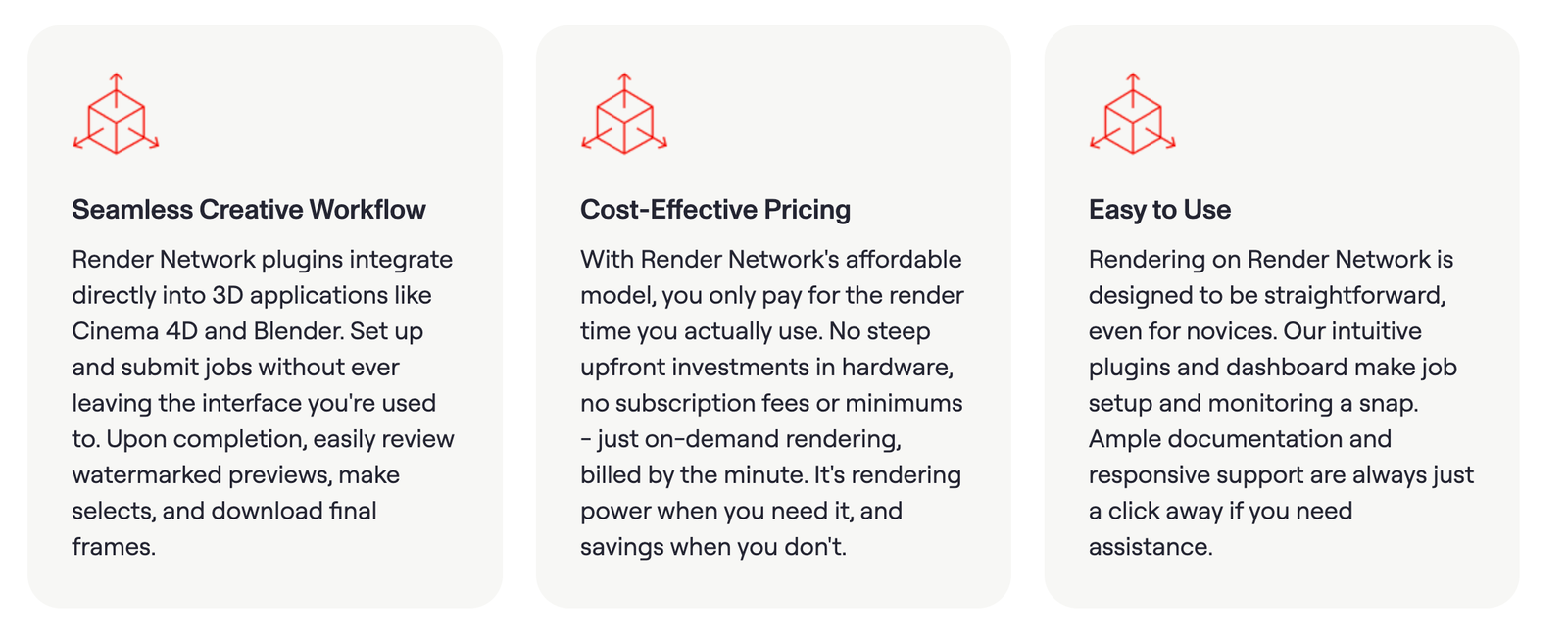
For example, Render Network (RENDER) enables creators to access GPU rendering services using RNDR tokens, creating a self-sustaining marketplace.
3. Ensuring Long-Term Sustainability
One challenge for DePIN projects is balancing token rewards with network sustainability. Over-inflation of tokens can devalue the ecosystem, while under-rewarding participants can discourage contributions.
Strategies for Sustainability:
- Token burn mechanisms to reduce supply and stabilize value.
- Implementing dynamic reward models that adjust based on network demand.
- Diversifying revenue streams by integrating premium services or partnerships.
Projects like Arweave (AR) and PowerLedger (POWR) are already experimenting with these strategies to ensure longevity.
The Growing Ecosystem of DePIN Projects
The DePIN space continues to expand, with new projects addressing specific industry challenges. Beyond established players like Filecoin and Helium, emerging projects such as ANyONe Protocol and GamerHash are carving their niches. Let’s explore some notable players shaping the DePIN narrative.
1. Decentralized Mapping and Navigation: Hivemapper and NAVI
Traditional mapping systems are dominated by a few centralized giants. Hivemapper and NAVI are disrupting this model by creating decentralized, crowd-sourced alternatives.
- Hivemapper (HONEY): Uses dashcam footage to build detailed maps, rewarding contributors with HONEY tokens.
- NAVI: Focuses on decentralized navigation, leveraging crowd-sourced data for real-time updates.
These projects are essential for industries like logistics and autonomous vehicles, where accurate and up-to-date mapping is crucial.
2. Decentralized AI Networks: Bittensor and Gensyn
AI computation is resource-intensive, and centralized providers often come with high costs. Bittensor and Gensyn address this challenge by decentralizing AI workloads.
- Bittensor (TAO): A platform for training and sharing AI models, where contributors earn TAO tokens for providing computational resources.
- Gensyn: Builds a decentralized compute network specifically for AI, tapping into unused computational capacity globally.
These networks democratize AI development, making it accessible to smaller organizations and independent developers.
3. Decentralized Energy Trading: PowerLedger
Energy markets are undergoing a transformation, with PowerLedger (POWR) leading the charge in decentralizing energy trading.
- How It Works: PowerLedger enables peer-to-peer energy trading, allowing users to sell surplus renewable energy directly to consumers.
- Benefits: Reduces dependency on centralized utilities and promotes renewable energy adoption.
This approach not only lowers costs but also empowers individuals to participate in the clean energy movement.
Why DePIN matters in 2025?
DePIN’s Role in Solving Urgent Problems
Decentralized Physical Infrastructure Networks, or DePIN, redefine real-world systems. In 2025, their relevance spikes. Centralized models buckle under inefficiency. DePIN steps in with blockchain solutions. Community efforts drive it forward. This shift feels critical now.
Resource scarcity tops the list. Populations swell rapidly. Traditional setups can’t cope. Roads jam, grids falter, water dries up. DePIN optimizes via decentralized tech. Smart sensors track usage on blockchains. Communities tweak resources instantly. Efficiency soars.
Trust also erodes fast. People doubt governments and firms. Transparency grows vital. DePIN provides it. Public blockchains keep data open. Anyone can check it. No one owns the network. Confidence strengthens. In 2025, trust turns precious.
Climate change presses harder too. Storms wreck supply lines. Centralized systems stumble. DePIN adjusts quicker. Solar panels share power locally. Flood sensors alert in real time. Resilience climbs. Sustainability embeds itself here.
Economic gaps widen still. Corporations hoard gains. DePIN flips that. Contributors earn directly. A farmer’s weather station pays off. A driver’s traffic data brings tokens. Wealth spreads. Fairness matters more now.
Tech centralization breeds danger. Breaches expose data. Single failures halt services. DePIN distributes control. No lone server dominates. Hackers struggle more. Security tightens. Cyber risks peak in 2025.
Jobs shift too. Automation cuts roles. DePIN offers new ones. People run nodes or share data. Skills adapt fast. Communities take charge. Employment finds purpose this year.
DePIN’s Impact on Society and Innovation
Urban sprawl accelerates in 2025. Cities demand smarter fixes. DePIN fits perfectly. Traffic eases with shared data. Waste collection refines via locals. Living improves. Overcrowding softens.
Funding changes too. Taxes and loans lag. DePIN uses tokens instead. Communities fund their needs. Costs shrink. Innovation leaps ahead. Budgets stretch in 2025.
Meanwhile, digital meets physical. IoT devices multiply. DePIN links them up. Thermostats sync with grids. Cars talk to lights. Life simplifies. Connectivity deepens now.
Individuals gain power too. Centralized systems favor elites. DePIN shifts control back. You vote on upgrades. You profit from input. Balance tips. This hits home in 2025.
Challenges persist, though. Adoption drags sometimes. Tech skills differ widely. Resistance pops up. Still, DePIN’s perks shine brighter. Education spreads quick. Early successes pull others in. Momentum rises.
Rural zones benefit big. Remote areas lack basics. DePIN fills voids. Solar nodes bring internet. Drones deliver via networks. Isolation drops. Equity grows this year.
Disaster response sharpens too. Quakes and floods strike hard. Centralized aid crawls. DePIN moves fast. Local nodes guide relief. Supplies arrive sooner. Lives save easier.
Geopolitics heat up too. Nations vie for control. DePIN cuts reliance. Communities sustain themselves. Tensions dip. Independence rises in 2025.
Finally, innovation explodes. Developers play freely. Open networks spark apps. New ideas bloom daily. Progress races. Stagnation fades fast.
In short, DePIN transforms 2025. It tackles scarcity, trust, and climate woes. Equity, security, and resilience surge. Cities and rural spots thrive. Disasters hurt less. Nations lean less on others. Innovation drives it all.
BONUS 👉 Top 7 DePIN Altcoins for 2025
Future Outlook for DePIN
As DePIN projects continue to evolve, their potential to reshape physical infrastructure becomes clearer. However, achieving mainstream adoption will require addressing key challenges, fostering collaboration, and scaling networks effectively. Even with such a high potential and room for growth, DePIN ranks amongst the top 10 crypto narratives right now with $44 Billion Market Cap.

Source : DefiLlama
1. Expanding Use Cases
The success of DePIN will depend on its ability to innovate and expand into new sectors. Emerging industries like autonomous vehicles, decentralized gaming, and smart cities present untapped opportunities.
For instance, DIMO (DIMO) is already exploring the intersection of DePIN and automotive data, allowing vehicle owners to monetize their data.
2. Bridging the Gap with Traditional Systems
For DePIN to achieve mainstream success, it must integrate seamlessly with traditional infrastructure. Partnerships with established companies can help achieve this goal.
- Collaborations with IoT manufacturers for projects like Helium.
- Integration with AI platforms for projects like GamerHash and Bittensor.
Such synergies can accelerate adoption and create a hybrid ecosystem that leverages the best of both worlds.
3. Overcoming Regulatory Hurdles
As with any blockchain-based innovation, DePIN projects must navigate complex regulatory landscapes. Transparent governance models, such as DAOs, can help build trust and compliance.
Key Takeaways
- DePIN Explained: Decentralized Physical Infrastructure Networks (DePIN) represent a transformative approach to building and managing infrastructure by decentralizing ownership, operations, and incentives.
- Real-World Applications: Projects like Filecoin, Render Network, and Helium showcase practical applications of DePIN in storage, computing, and IoT.
- Economic Incentives: DePIN projects rely on token-based ecosystems to reward contributors and sustain their networks, ensuring scalability and sustainability.
- Emerging Players: New entrants like ANyONe Protocol, GamerHash, and Gensyn are pushing the boundaries of DePIN, exploring niches in AI, privacy, and gaming.
- Challenges Ahead: DePIN must overcome scalability, regulatory hurdles, and competition from traditional systems to achieve widespread adoption.
- Future Potential: With ongoing innovation, DePIN could disrupt industries ranging from energy to AI, redefining how infrastructure is built and managed.
Conclusion
The concept of DePIN is a groundbreaking evolution in blockchain and infrastructure. By leveraging decentralization, it eliminates traditional bottlenecks, redistributes value among participants, and opens up new economic opportunities. Projects like Helium, Filecoin, and Render Network highlight the diverse applications of DePIN, demonstrating its potential to revolutionize industries such as IoT, storage, and GPU rendering.
At the same time, emerging players like GamerHash and ANyONe Protocol prove that the DePIN narrative is only just beginning. These projects are expanding into areas like AI computation, decentralized privacy, and gaming, showcasing the versatility of this framework.
However, challenges remain. Scalability issues, regulatory uncertainties, and the need for mainstream integration pose hurdles that the DePIN ecosystem must overcome. Success will depend on continuous innovation, strategic partnerships, and the ability to build trust with users and stakeholders.
As blockchain technology matures, DePIN has the potential to reshape infrastructure, making it more efficient, inclusive, and resilient. It represents a future where physical and digital realms merge seamlessly, enabling decentralized networks to power the systems we rely on every day.
TL;DR
DePIN (Decentralized Physical Infrastructure Networks) is a cutting-edge blockchain narrative focused on decentralizing infrastructure such as IoT networks, data storage, and AI computation. Projects like Helium, Filecoin, and Render Network demonstrate the power of DePIN by incentivizing participants to share resources like bandwidth, storage, and GPU power.
Emerging players like GamerHash (decentralized gaming infrastructure) and ANyONe Protocol (privacy networks) showcase the expanding scope of DePIN, pushing into AI, privacy, and more. While the space faces challenges such as scalability and regulatory compliance, its innovative economic models and collaborative potential make it a promising frontier in crypto.
With its ability to disrupt industries and redefine infrastructure, DePIN stands at the crossroads of blockchain innovation, offering sustainable solutions for a decentralized future.
Frequently Asked Questions
What is DePIN in one line?
How does DePIN differ from traditional infrastructure?
What are some real-world use cases of DePIN?
How do tokens work in DePIN ecosystems?
What challenges does DePIN face?
In this article
Challenges Facing AdoptionEconomic Models in DePINWhy DePIN matters in 2025?Future Outlook for DePINKey TakeawaysConclusion