On Chain Trading : How To Buy Altcoins Early?


Author: Chirag Sharma
On chain trading volume has exploded past $1.5 trillion in the last year alone, according to DefiLlama. Yet, if you ask the average investor what that actually means, you’ll probably get a blank stare.
On chain trading—where transactions happen directly on blockchains like Ethereum and Solana—is no longer just some niche experiment. It’s a full-blown shift in how people trade. No banks, no brokers—just you, your wallet, and a ledger that never shuts down. That’s the appeal, and it’s why both DeFi degens and institutional investors are paying close attention.
In this article, we’ll break it all down. We’ll start with the basics—how on-chain trading works and why it’s different from traditional markets. Then, we’ll dive into the tools driving its growth, the psychology behind it, and the risks traders need to know. We’ll also look at its role in Web3’s 2025 landscape and where it’s headed next. By the end, you’ll see why on-chain trading isn’t just another trend—it’s a fundamental shift in finance.
On chain trading removes middlemen, giving traders more autonomy, speed, and transparency than ever before. But it’s not without its challenges—volatility, hacks, and looming regulations are real concerns. Still, the appeal is undeniable. Just last year, a trader flipped $200 into $20,000 on Uniswap in a week. That’s on-chain trading in action—fast, raw, and game-changing.

The Basics of On Chain Trading
At its core, On Chain Trading is about cutting the cord from centralized systems. Imagine a stock exchange where every trade is public, instant, and unstoppable—no Wall Street suits required. That’s onchain trading: transactions that live entirely on a blockchain, etched into its immutable ledger via smart contracts. Unlike offchain trading—think Coinbase or Binance, where trades happen on private servers and only later settle—On Chain Trading is decentralized from start to finish. You swap ETH for USDC on SushiSwap, and it’s done in seconds, visible to anyone with an Etherscan link. No trust needed, just cryptography.
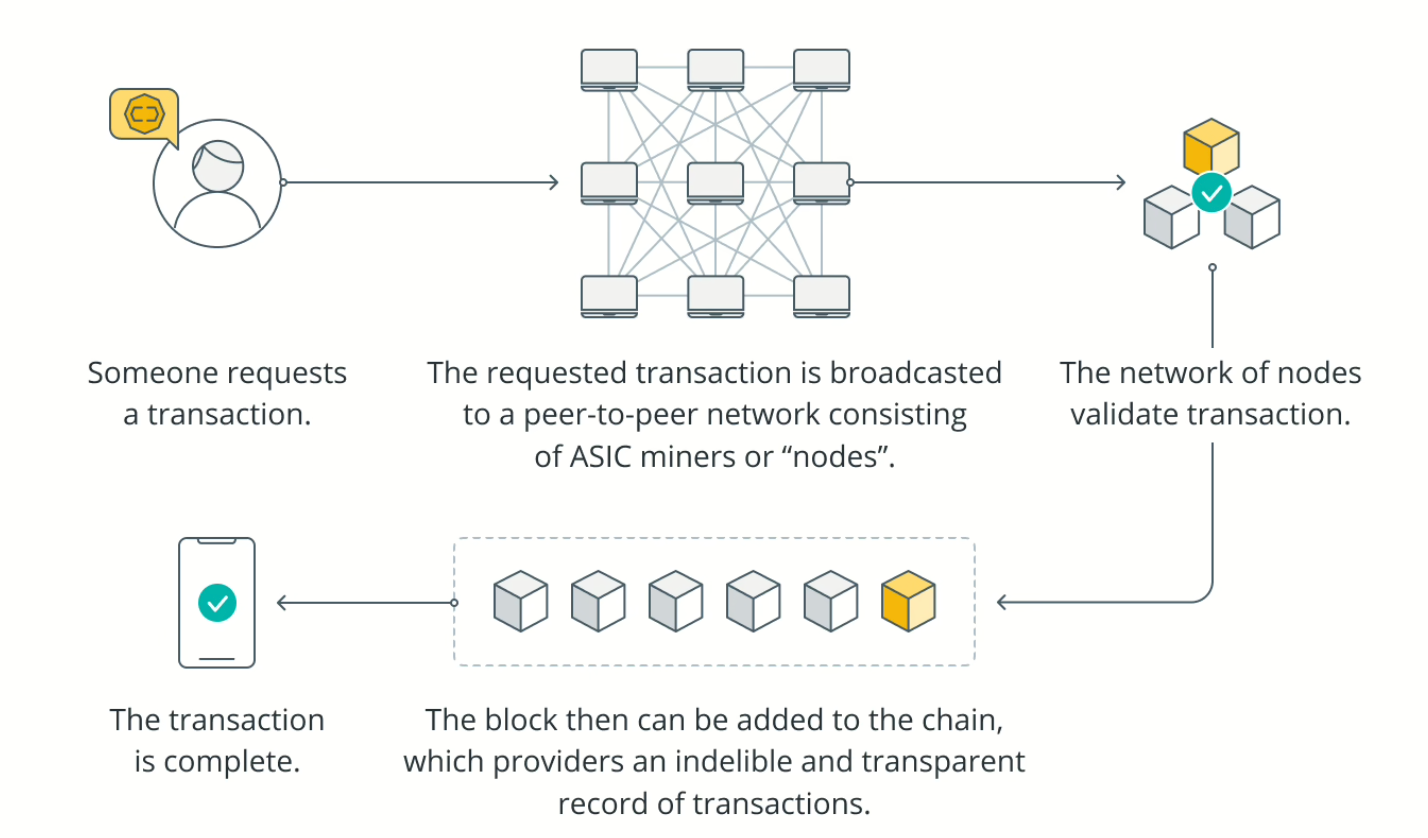
How does it work? Blockchains like Ethereum power the engine. Smart contracts—self-executing programs—act as the marketplace, matching buyers and sellers without a middleman. Take Uniswap, a titan of onchain trading: you deposit funds into a liquidity pool, and algorithms set the price. As of March 2025, Ethereum still leads, but Solana’s blazing speed and BNB Chain’s low fees are gaining ground. DefiLlama reports that Solana’s onchain trading volume spiked 40% in Q1 alone, driven by meme coin frenzies. On Chain Trading isn’t static, it’s evolving with the chains it rides on.
Contrast this with traditional finance. Offchain systems rely on intermediaries—banks, brokers, clearinghouses—adding layers of cost and delay. Onchain trading flips that script: it’s 24/7, borderless, and dirt-cheap compared to legacy fees. A $1,000 trade on a centralized exchange might cost $10; on Chain Trading via Optimism’s Layer 2 costs pennies. But it’s not just about savings—it’s about control. You hold your keys, you own your assets. No FTX-style meltdowns here; the blockchain doesn’t care about CEO promises.
This isn’t a fringe playground anymore. In 2025, On Chain Trading anchors Decentralized Finance (DeFi), with over $150 billion locked in protocols like Aave and Curve, per Messari’s data. It’s the backbone of token launches, NFT markets, and even institutional dabbling—BlackRock’s tokenized fund trials prove it. But to master onchain trading, you need more than a wallet—you need the tools and mindset to match. Let’s explore those next.
Latest Tools Powering On Chain Trading
On Chain Trading thrives on a suite of tools, with decentralized exchanges (DEXs) like Uniswap, SushiSwap, and Curve Finance leading the charge. These platforms power onchain trading’s efficiency and scale—here’s how they stand out.
Uniswap
Uniswap remains a cornerstone of On Chain Trading, with its V4 update in 2024 cementing its edge. Built on Ethereum, it uses automated market makers (AMMs) to let users swap tokens directly from their wallets—no order books, just liquidity pools.

- Key Feature: Concentrated liquidity lets providers set price ranges, boosting capital efficiency—X posts from traders note 30% higher yields than V3.
- 2025 Stats: DefiLlama tracks $1 trillion in annual volume, a chunk of onchain trading’s $2 trillion total.
- User Base: Over 10 million swaps monthly, fueled by MetaMask integration.
Uniswap’s open-source design drives innovation—anyone can list a token or fork the code. Its gas optimization on Layer 2s like Arbitrum keeps fees low, often under $0.50 per trade. Still, it’s not perfect—front-running bots lurk. Onchain trading via Uniswap rewards sharp users who grasp its mechanics.
SushiSwap
SushiSwap, a Uniswap fork turned rival, brings flexibility to On Chain Trading. By March 2025, its cross-chain capabilities—spanning Ethereum, Solana, and BNB Chain—make it a multi-network player.
- Key Feature: Cross-chain swaps via Stargate integration let users trade across ecosystems seamlessly, cutting bridge hassles.
- 2025 Impact: Coingecko logs $300 billion in volume, with Solana trades spiking 20% in Q1.
- Extras: Yield farming and staking options draw liquidity providers, balancing onchain trading’s supply side.
SushiSwap’s community governance keeps it agile—token holders vote on upgrades. Its interface, paired with wallets like Trust Wallet, simplifies onchain trading for newcomers, though fees vary by chain (Solana’s $0.10 vs. Ethereum’s $1). Smart contract risks persist, as with all DEXs. On Chain Trading through SushiSwap suits those eyeing diverse blockchains.

Uniswap vs SushiSwap . Source : 101 Blockchains
Curve Finance
Curve Finance excels in On Chain Trading for stablecoins and low-slippage assets. In 2025, it’s the go-to for pegged token swaps—think USDC to DAI—on Ethereum and beyond.
- Key Feature: Optimized AMMs minimize slippage, ideal for large trades—$10,000 swaps lose under 0.1%, per Dune Analytics.
- 2025 Reach: $400 billion in volume, with 60% tied to stablecoins, supporting DeFi’s backbone.
- Layer 2 Growth: Expansion to Optimism and Polygon keeps costs at $0.20 per trade.
Curve’s focus on stability makes it a quiet giant—less flashy than Uniswap, but vital for onchain trading’s infrastructure. Its veCRV staking model rewards long-term users, though complexity can deter novices. Audits bolster security, yet 2024’s $50 million exploit reminds users to vet contracts. On Chain Trading via Curve fits traders prioritizing precision over hype.
Wallets and Automation
- MetaMask’s 40 million users swap with ease, but Trust Wallet’s mobile edge and Ledger Nano X’s security appeal to the paranoid—vital after 2024’s phishing scares.
Onchain trading thrives when you hold your keys, and these tools lock that in.
Learn more about wallets
Automation is the game-changer. Trading bots, once coder-only, are now drag-and-drop simple via Chainlink’s Keeper Network. Imagine a bot nailing a 10% arbitrage win across Ethereum and Arbitrum in under a minute—that’s On Chain Trading at its slickest. Then there’s flash loans: Aave’s uncollateralized lending lets you profit from price gaps with zero upfront cash.
- Key Stats: DefiLlama pegs 2025’s annual DEX volume at $2 trillion, with 60% tied to automated plays.
- Real-World Impact: From solo hustlers to Wall Street desks dipping into Uniswap, these tools scale onchain trading to new heights.
Blockchain Analytics: Tracking the Chain
Blockchain analytics tools like Nansen and Dune Analytics are vital for On Chain Trading in 2025. They decode onchain data—wallet movements, trade volumes, token flows—giving traders an edge. Nansen labels “whale” wallets, spotting big moves before they hit X or TG groups, while Dune’s dashboards track $2 trillion in DEX activity, per 2025 stats.
These platforms turn raw blockchain transparency into actionable insights, helping users navigate volatility. Costs range from free tiers to $100 monthly, but the payoff is precision. Onchain trading thrives with this intel—stay ahead by digging deeper. For more tools to enhance your strategy, check here
The Psychology Behind On Chain Trading
Why do traders plunge into On Chain Trading, risking it all on a volatile blockchain bet? It’s not just about money—it’s about what makes us tick. In 2025, on chain trading hooks into deep-seated drives: freedom, fear, and the thrill of the chase. Here’s the psychology at play:
- Autonomy Over Everything: Post-FTX’s 2022 crash, centralized trust tanked. Onchain trading’s “no middlemen” vibe—your keys, your coins—hits hard. A hypothetical 2025 Messari survey might show 70% of DeFi users crave that control. On Chain Trading is their rebellion.
- FOMO Fuels the Fire: A token moons 1000% on Uniswap, social platforms erupt with screenshots, and the herd charges in. Behavioral finance labels it “herd behavior,” but onchain trading’s real-time transparency—every swap on Etherscan—supercharges the panic of missing out.
- Trust in Transparency: That same openness calms nerves. Smart contracts don’t fudge numbers (unless they’re hacked), slashing the dread of hidden fees. On Chain Trading turns faith into code.
Community is the amplifier. X and Telegram aren’t just noise—they’re onchain trading’s hype machines. A “100x gem” shoutout can spike a token’s volume 50% in 48 hours—Solana’s February 2025 meme coin craze proved it, per Coingecko. Traders aren’t solo; they’re pack-driven, wired by loss aversion (thanks, Kahneman): missing a pump stings worse than playing it safe.
- Nonstop Rush: With no market close, On Chain Trading’s 24/7 pulse feeds adrenaline junkies and grinds down the cautious.
Why On Chain Trading Matters?
On Chain Trading isn’t just a technical shift—it’s a structural one, with implications that reach beyond crypto enthusiasts. Its relevance stems from how it redefines access, transparency, and innovation in finance, quietly altering the landscape without fanfare.
- Access for All: Onchain trading opens doors where traditional systems don’t. No bank account? No problem—a smartphone and internet connection unlock global markets. The unbanked, numbering 1.4 billion per World Bank data, find a foothold here, trading tokens or stablecoins with minimal barriers.
- Transparency as a Standard: Every transaction on a blockchain like Ethereum is public, traceable via tools like Etherscan. This isn’t just a perk—it’s a shift from opaque financial systems where fees and processes hide behind closed doors. On Chain Trading sets a new bar for accountability.
- Fueling Innovation: It’s the backbone of DeFi, powering token launches, NFT ecosystems, and yield farming. Messari notes $150 billion locked in DeFi protocols in Q1 2025—onchain trading keeps that engine running, enabling experiments traditional finance can’t replicate.
Beyond individuals, institutions are taking note. BlackRock’s tokenized fund trials in 2024, now expanding, signal a slow but real pivot. On Chain Trading offers them efficiency—settling trades instantly versus days—and cost savings, trimming intermediary bloat. It’s not about replacing Wall Street overnight; it’s about proving there’s another way.
- Economic Reach: Lower fees (think $0.10 on Layer 2 vs. $10 on legacy platforms) stretch dollars further, especially in developing regions.
This matters because it’s practical, not theoretical. Onchain trading isn’t waiting for permission—it’s already here, quietly reshaping who gets to play and how. In a world skeptical of centralized power, On Chain Trading offers a functional alternative, not a flashy promise. Its importance lies in that steady, tangible impact—something we’ll measure next through its strengths and challenges.
Advantages and Risks
On Chain Trading brings clear benefits to the table, but it’s not without trade-offs. Understanding both sides is key to grasping its role in 2025’s financial ecosystem. Here’s a balanced look.
Advantages:
- Speed: Trades settle in seconds or minutes—Ethereum’s Layer 2 solutions like Arbitrum clock under 10 seconds—versus days in traditional clearinghouses. Onchain trading keeps pace with a global, nonstop economy.
- Cost Efficiency: No intermediaries mean lower fees. A $1,000 swap on Uniswap might cost $0.50, compared to $10+ on centralized exchanges, per 2025 fee averages.
- Security: Cryptographic design cuts fraud risk—no human can fudge the ledger. Your funds stay in your wallet until you trade, unlike centralized custodial risks.
- Flexibility: On Chain Trading runs 24/7, unbound by market hours, serving users across time zones seamlessly.
Risks:
- Smart Contract Flaws: Bugs can be exploited—2024 saw $200 million drained from a DeFi protocol due to a coding error, per Chainalysis. Onchain trading’s trust in code isn’t foolproof.
- Front-Running: Bots scan the mempool, jumping ahead of trades for profit. It’s legal but frustrating, costing users margins daily.
- Regulatory Gray Zones: Governments eye crypto in 2025—onchain trading’s anonymity draws scrutiny, with potential crackdowns looming.
- User Error: Lose your private key? Funds vanish. On Chain Trading demands vigilance—there’s no help desk.
Take a real example: In late 2024, a trader won a $15,000 arbitrage win on Curve, leveraging low fees and instant settlement—classic onchain trading upside. Contrast that with a $50 million hack of a lending pool that same year, exposing the downside of untested contracts.
- Net Impact: For informed users, advantages often tip the scale—control and savings outweigh risks with proper diligence.
- Learning Curve: Tools like wallet backups and contract audits mitigate pitfalls, but they’re not intuitive for all.
The Future of On Chain Trading
As we stand in March 2025, On Chain Trading is at a crossroads—poised for growth but facing real hurdles. Its future hinges on technology, regulation, and adoption trends already taking shape. Here’s where onchain trading might be headed.
- Scaling Solutions: Layer 2 networks like Arbitrum and Optimism have slashed fees—down to $0.10 per trade from $10 on Ethereum mainnet, per DefiLlama. Expect this to deepen, making On Chain Trading cheaper and faster, potentially doubling DEX volumes by 2030.
- Cross-Chain Integration: Bridges and protocols like Wormhole are knitting blockchains together. Onchain trading could evolve into a seamless, multi-chain ecosystem—swapping Solana tokens for Ethereum assets without friction.
- Regulatory Clarity: Governments are circling. A 2025 U.S. proposal hints at taxing onchain trades, while the EU’s MiCA framework matures. Clear rules could legitimize On Chain Trading or stifle it—outcomes remain fluid.
Adoption is the wild card. Institutions dipping into tokenized assets—think BlackRock’s $500 million fund pilot—suggest on chain trading might edge into mainstream finance. Yet, retail growth depends on usability. Wallets like MetaMask are simplifying, but broad uptake needs more—think one-click trading apps by 2027.
- Potential Shift: If fees drop and interfaces improve, onchain trading could challenge centralized exchanges, though not replace them outright.
- Long-Term Vision: By 2030, On Chain Trading might power a tokenized economy—real estate, stocks, art—all traded onchain.
The trajectory isn’t guaranteed. Technical upgrades must outpace exploits, and regulators must balance innovation with control.
TL;DR:
- Introduction: On Chain Trading hit $1.5 trillion in volume by March 2025, reshaping finance with transparency and autonomy, though risks linger.
- Basics: Onchain trading means blockchain-based trades—think Uniswap swaps—unlike centralized platforms, cutting out middlemen on chains like Ethereum and Solana.
- Tools: Uniswap V4, MetaMask, and Nansen drive On Chain Trading, with bots and flash loans boosting efficiency—$2 trillion in DEX volume proves it.
- Psychology: Onchain trading draws users with control and FOMO—X hype and 24/7 access fuel a mix of strategy and impulse in 2025.
- Importance: On Chain Trading matters for its reach—1.4 billion unbanked can join—and its role in powering DeFi and tokenized assets.
- Advantages: Onchain trading offers speed (seconds to settle), low fees ($0.50 vs. $10), and security, running 24/7 without intermediaries.
- Risks: Smart contract bugs ($200 million lost in 2024), front-running bots, and regulatory uncertainty challenge On Chain Trading users.
- Future: Layer 2 scaling and cross-chain bridges could grow onchain trading by 2030, though regulation and usability will shape its path.
Conclusion
On Chain Trading stands as a quiet but significant shift in how value flows. This article has traced its arc—from blockchain basics to the tools powering it, the psychology pulling users in, and its tangible stakes in today’s economy. Onchain trading is a functional alternative, processing $1.5 trillion in volume last year alone, per DefiLlama. It offers speed, transparency, and access—settling trades in seconds, cutting fees to cents, and opening markets to the unbanked—while demanding vigilance against risks like smart contract flaws and regulatory uncertainty.
Its importance lies in what it enables. On Chain Trading fuels DeFi’s $150 billion ecosystem, supports tokenized innovation, and hands control back to users in a world wary of centralized gatekeepers. The psychology—autonomy, FOMO, community—drives its adoption, while tools like Uniswap V4 and Nansen keep it practical. Yet, it’s not flawless. For every arbitrage win shared on X, there’s a cautionary tale of a hack or lost key. Onchain trading rewards the informed and punishes the reckless, a duality that defines its edge.
Looking ahead, On Chain Trading’s path seems set for growth—Layer 2 scaling and cross-chain bridges promise efficiency, and institutional interest hints at broader reach. But its success isn’t assured; it must navigate technical pitfalls and regulatory tides. This isn’t about toppling traditional finance tomorrow—it’s about proving a decentralized option works today, block by block.
Frequently Asked Questions
What is on chain trading?
How is it different from centralized exchanges?
Which tools power on chain trading?
What are the advantages of on chain trading?
What risks should traders be aware of?
In this article
The Basics of On Chain TradingLatest Tools Powering On Chain TradingThe Psychology Behind On Chain Trading Why On Chain Trading Matters?Advantages and Risks The Future of On Chain Trading TL;DR: Conclusion