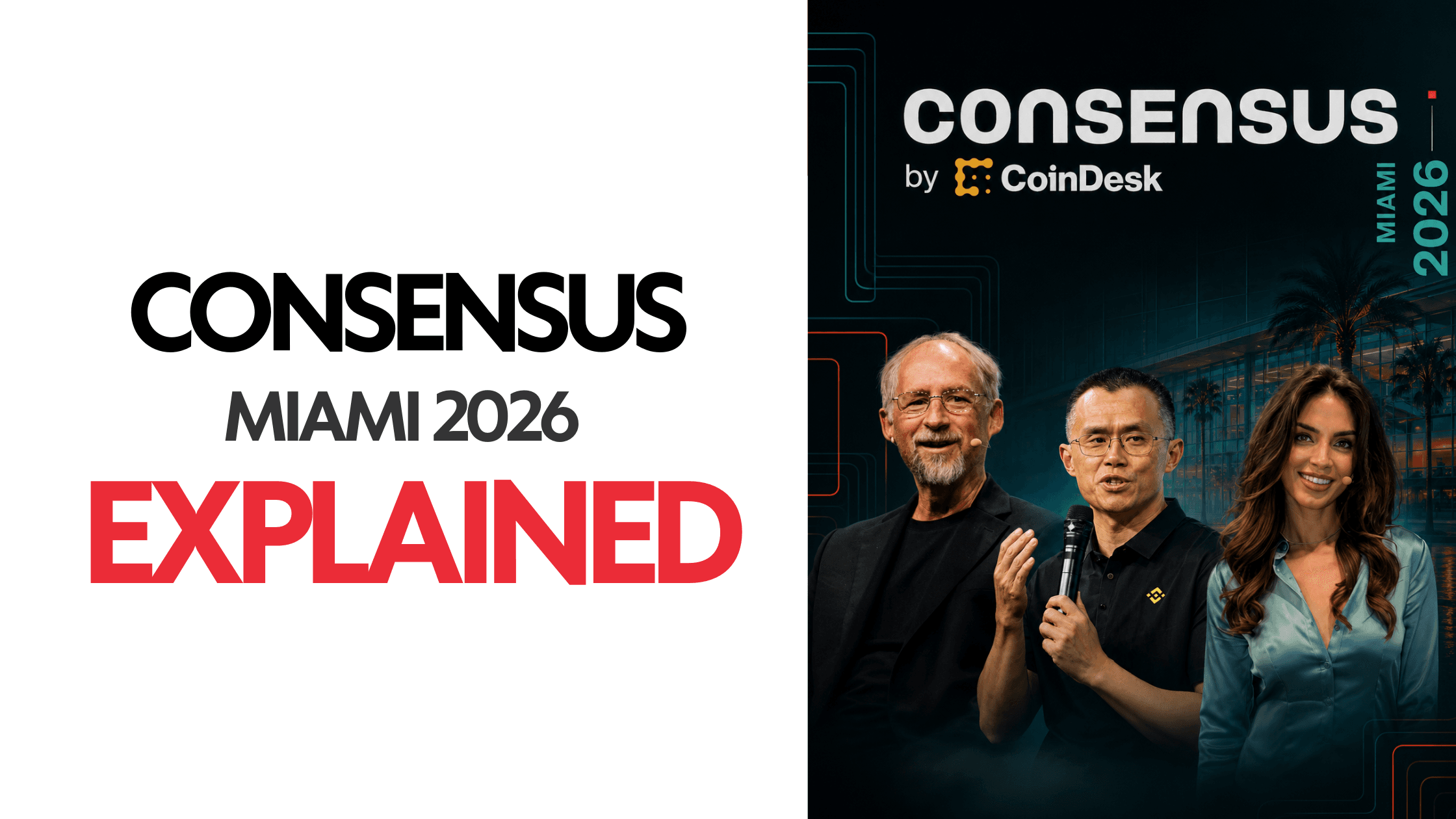
Consensus Miami 2026 brought 20,000+ leaders to Miami Beach from May 5-7. Here's every major announcement, keynote, and theme from the event.

Author: Tanishq Bodh
Consensus is the annual flagship conference run by CoinDesk. Over the past decade, it has become the largest crypto event in the Americas. Notably, Consensus Miami 2026 ran from May 5 to 7 at the Miami Beach Convention Center. In total, it pulled in over 20,000 attendees, 500+ speakers, and firms collectively managing more than $4 trillion in assets.
The event is often described as the Super Bowl of blockchain. Honestly, the framing is fair. For three days, founders, fund managers, regulators, exchange CEOs, and policymakers all share the same floor. As a result, Consensus operates less as a typical conference and more as a deal-making hub. Additionally, the choice of Miami reinforces the city’s positioning as the U.S. crypto capital, especially as it continues hosting major events like F1 and the PGA.
This year’s theme was Convergence. Specifically, it focused on how blockchain, traditional finance, and emerging tech are merging into a single financial stack. The agenda reflected that. For example, stablecoins, tokenization, AI agents, and institutional adoption took up most of the mainstage.
Consensus Miami 2026 runs across multiple stages. First, the Mainstage hosts keynotes and high-profile interviews. Second, the Policy and Regulation Summit covers regulatory deep dives. In addition, dedicated tracks cover Bitcoin and DeFi. Furthermore, side events like hackathons (EasyA, Solana Accelerate) and PitchFest spotlight early-stage projects. Overall, the whole city effectively turned into a week-long networking circuit. Beyond the convention center walls, parties and side meetups extended the conference for days.
This was the headline deal of the conference. Specifically, Bullish, the crypto exchange that owns CoinDesk, announced a $4.2 billion acquisition of Equiniti. For context, Equiniti is a global transfer agent serving roughly 3,000 issuers and 20 million shareholders. In addition, it processes $500 billion in payments annually.
The strategic logic is clean. As a result, Bullish now controls end-to-end infrastructure for tokenized securities. In other words, it bridges traditional registries with blockchain rails. Moreover, Bullish tokenized its own cap table on Solana during the event as a live demo.
The Depository Trust and Clearing Corporation backs U.S. securities settlement. Notably, it announced a partnership with multiple high-performance Layer-1 blockchains. CEO Frank La Salla confirmed plans to move complex corporate actions like dividends and tender offers on-chain. Specifically, a tokenized securities pilot launches July 2026, with a larger rollout in October.
The team named tokenized collateral as the first major institutional use case. For context, this is the kind of deal that would have looked impossible two years ago.
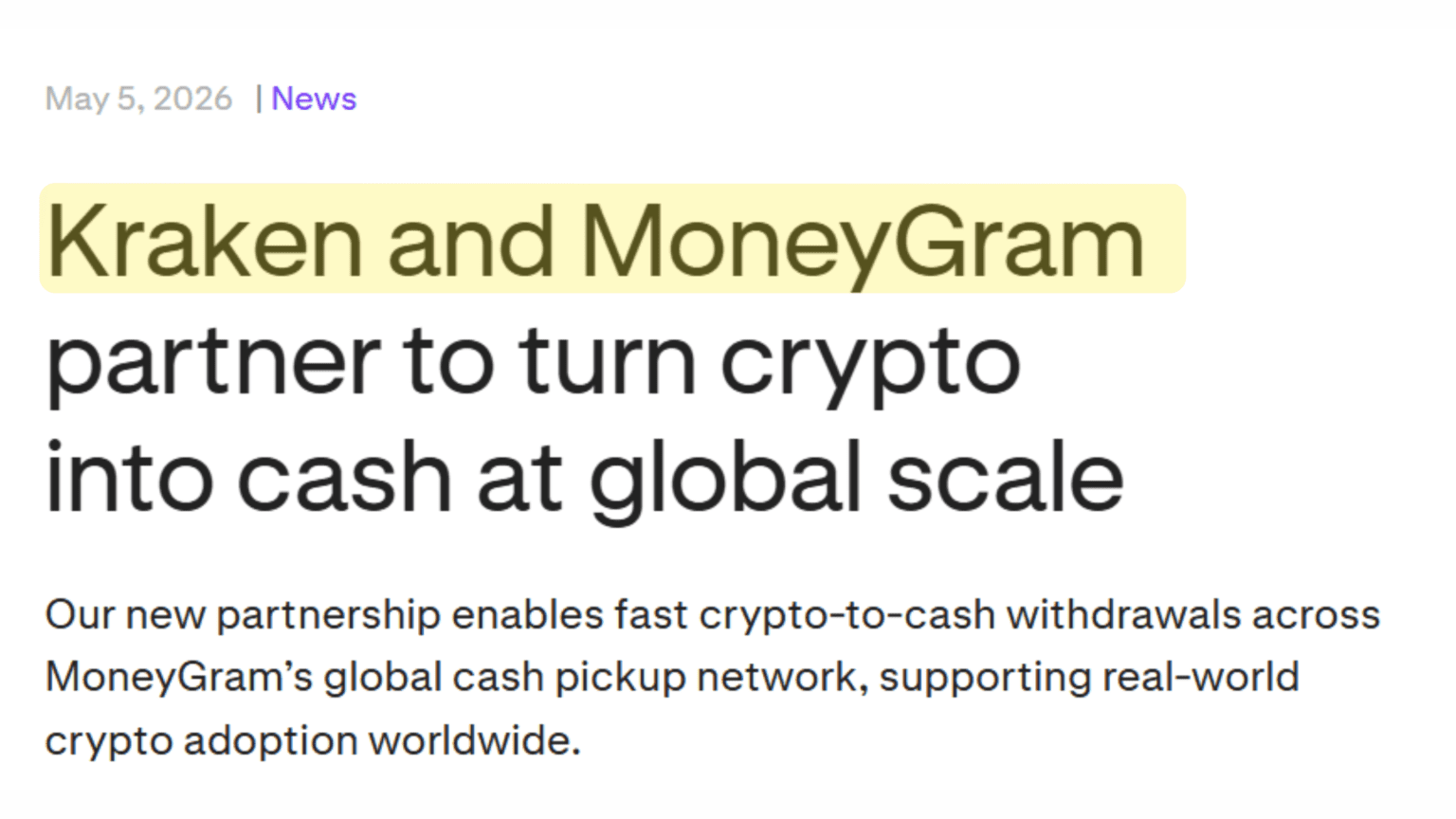
Kraken announced a strategic partnership with MoneyGram. As a result, the deal expands global crypto-to-cash access through MoneyGram’s network in over 100 countries. Practically speaking, this targets off-ramps in emerging markets. After all, in many of those regions cash access still matters more than digital wallets.
Crypto.com launched a new in-app travel booking platform powered by Bookit. Specifically, eligible users can earn cashback rewards in CRO tokens on travel-related purchases. Overall, this fits the broader push to integrate crypto rewards into mainstream consumer services.
Co-founder Anatoly Yakovenko announced Alpenglow. In short, this is a major Solana network upgrade aimed at light-speed transaction finality. Additionally, the upgrade improves reliability. According to Yakovenko, Alpenglow launches as early as Q4 2026.
Sumsub announced a partnership with Chainlink. As a result, the deal supports privacy-preserving identity verification across multiple blockchain ecosystems. Specifically, the integration ties Sumsub’s KYC infrastructure to Chainlink’s Automated Compliance Engine. Consequently, this enables reusable identity credentials across Ethereum, Arbitrum, Avalanche, Polygon, and Base.
Co-CEO Arjun Sethi confirmed that Kraken’s IPO preparations are roughly 80% complete. Additionally, the company has already submitted its SEC filing. Now, the team waits on market timing.
The regulatory tone at this year’s Consensus felt the most optimistic in years.
CFTC Chairman Michael Selig confirmed the agency will formalize a safe-harbor rulemaking for unhosted wallet and software developers. Notably, this builds on the recent no-action letter to Phantom. As a result, DeFi tools and U.S. developers get clearer, more permanent guidance. Importantly, this addresses one of the longest-running pain points for builders.
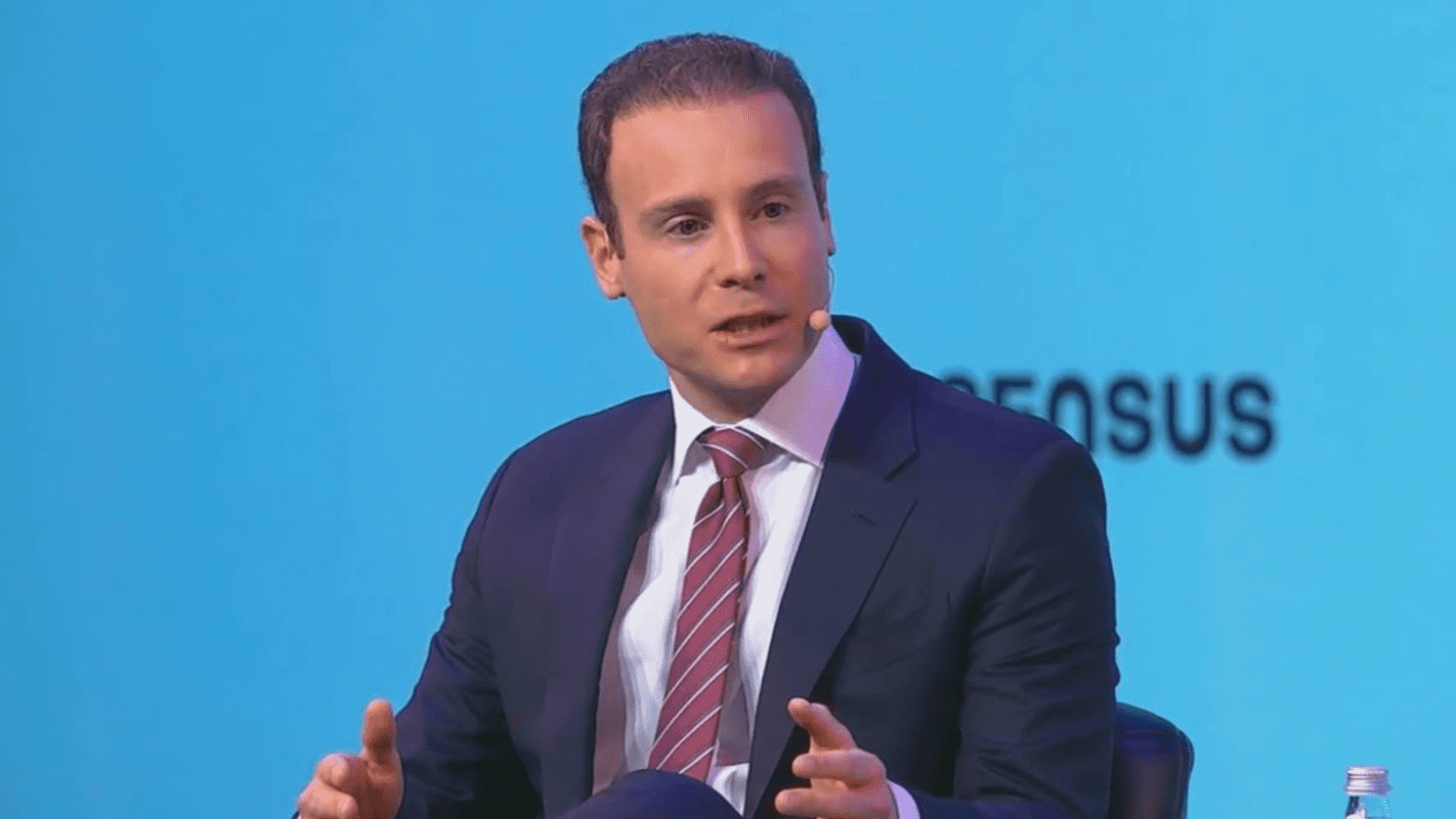
U.S. Senator Kirsten Gillibrand confirmed crypto market structure legislation is advancing. However, she stressed the bill needs strong ethics clauses. Specifically, those clauses would ban insider trading and profits by Congress members, senior officials, and the President or VP.
Meanwhile, lawmakers reached a compromise on stablecoins. As a result, the bill could pass before the August recess. Patrick Witt, Executive Director of the President’s Council on Digital Assets, called the timeline aggressive but achievable. In his view, a Senate Banking Committee markup this month would give the Senate four weeks to merge it with the Senate Agriculture Committee version. Then, lawmakers reserve June for working out House issues.
Senator Ashley Moody added context on stakes. According to her, moving away from the U.S. dollar as the basis for international transactions would damage long-term borrowing capacity.
Consensus Miami 2026 delivered some of the sharpest mainstage takes in years. Here are the keynotes that mattered most.
The Real Vision founder argued that crypto will become the Universal Basic Equity in the AI era. Furthermore, he made a sharper take. In his view, AI agents could make up three out of every five DeFi users within five years. As a result, agents would outnumber humans 3:2. Notably, he named Solana as his preferred chain for agentic activity over Bitcoin.
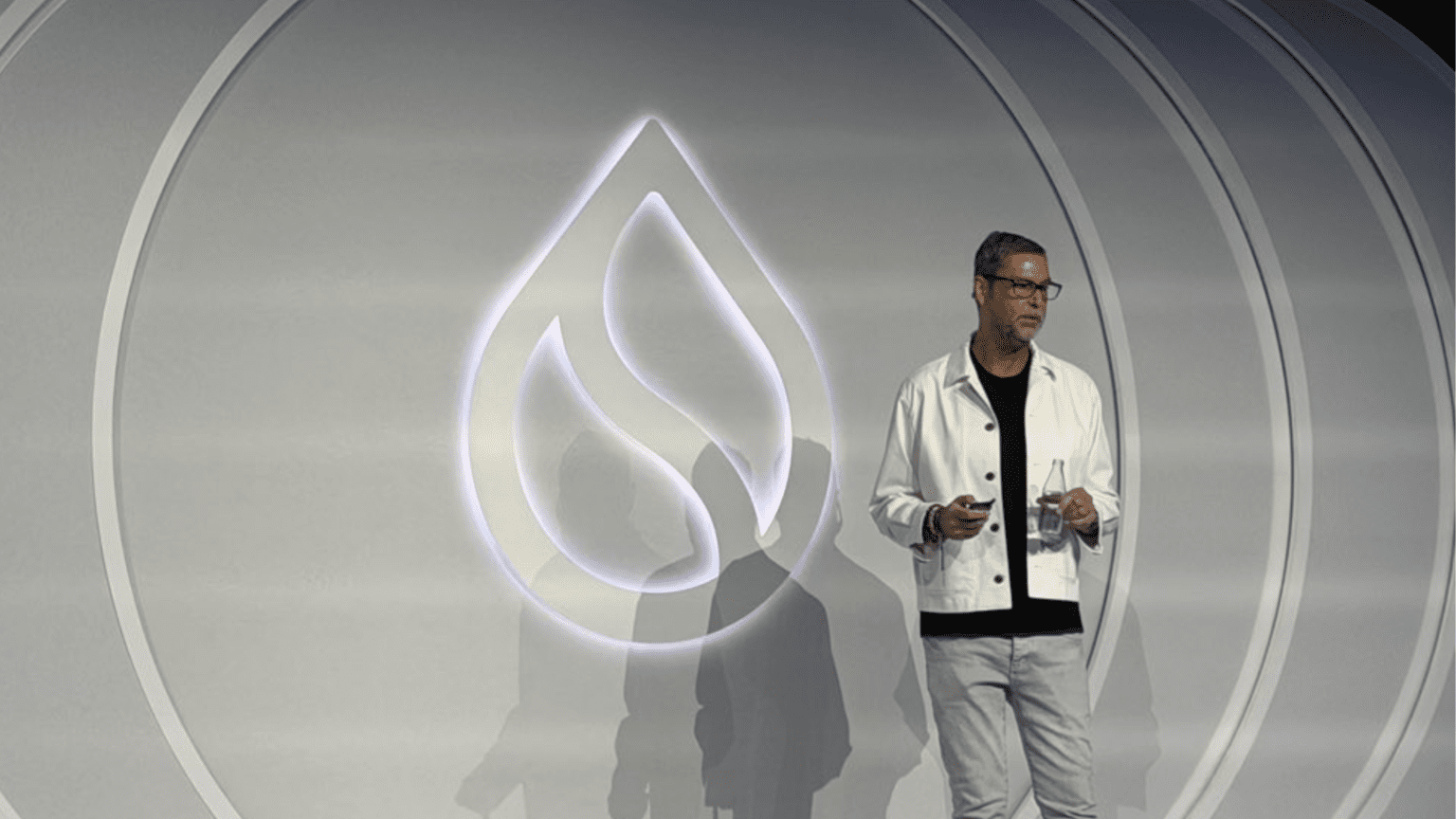
The BitMEX co-founder argued bitcoin price action follows global liquidity, not regulation. In his view, QE and money supply drive the cycle. Additionally, he acknowledged 99% of altcoins may go to zero. However, he framed this as historical market turnover rather than ecosystem failure.
The Cardano founder predicted that AI agents will surpass humans for most internet activity by 2035. Consequently, this disrupts Big Tech in the process. Moreover, he called the crypto and AI intersection one of the best things for the industry. Specifically, he urged more collaboration over fragmentation.
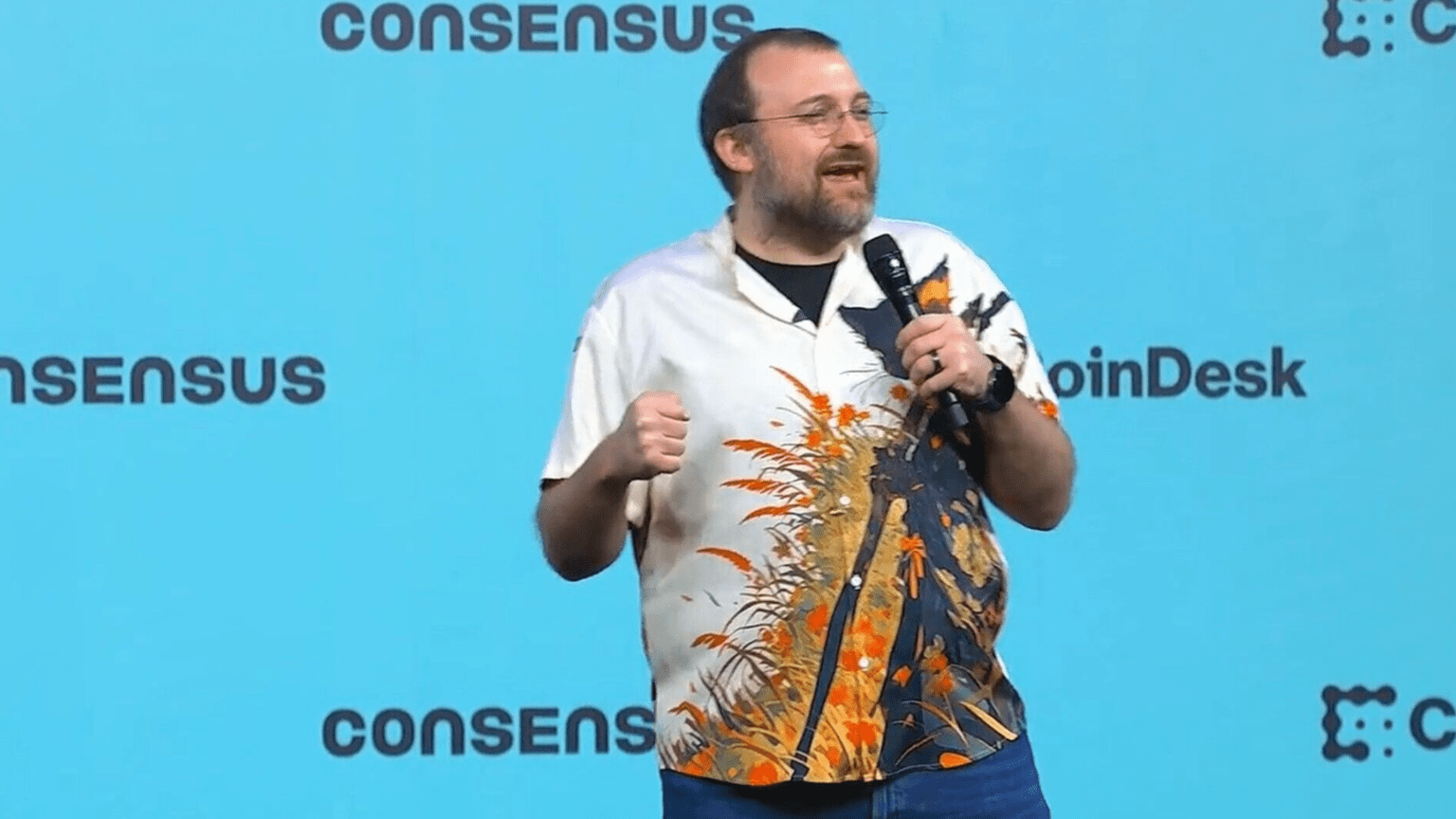
The Strategy Executive Chairman pushed yieldcoins and tokenized credit as the next big institutional category. Notably, his keynote drew extra attention. After all, the night before he disclosed Strategy might consider selling some bitcoin holdings to fund preferred stock dividends.
The Fundstrat strategist projected Bitcoin to $250K by end of 2026. Additionally, he sees Ethereum at $12K to $22K. Overall, this ranked among the most bullish forecasts on the mainstage.
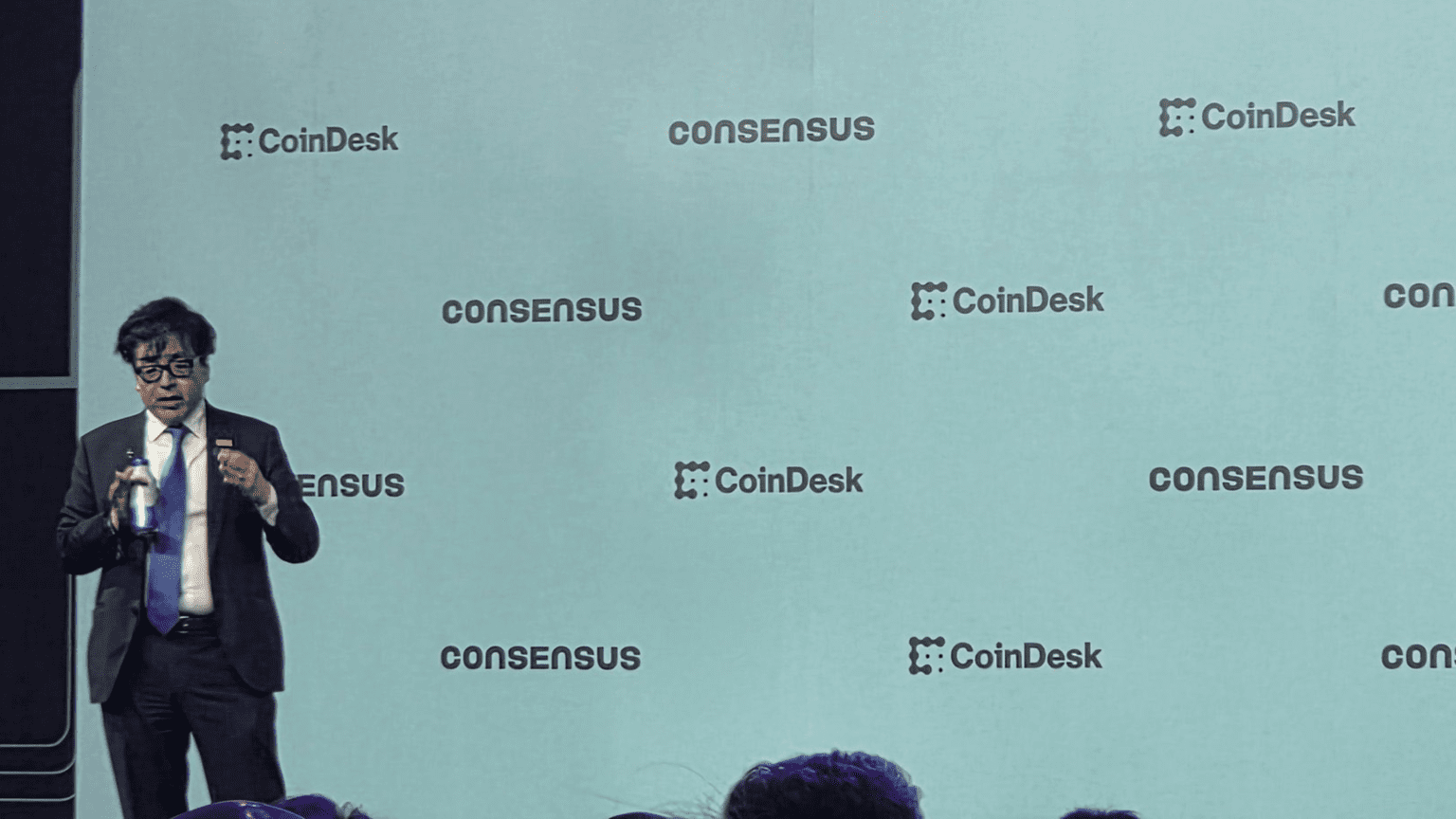
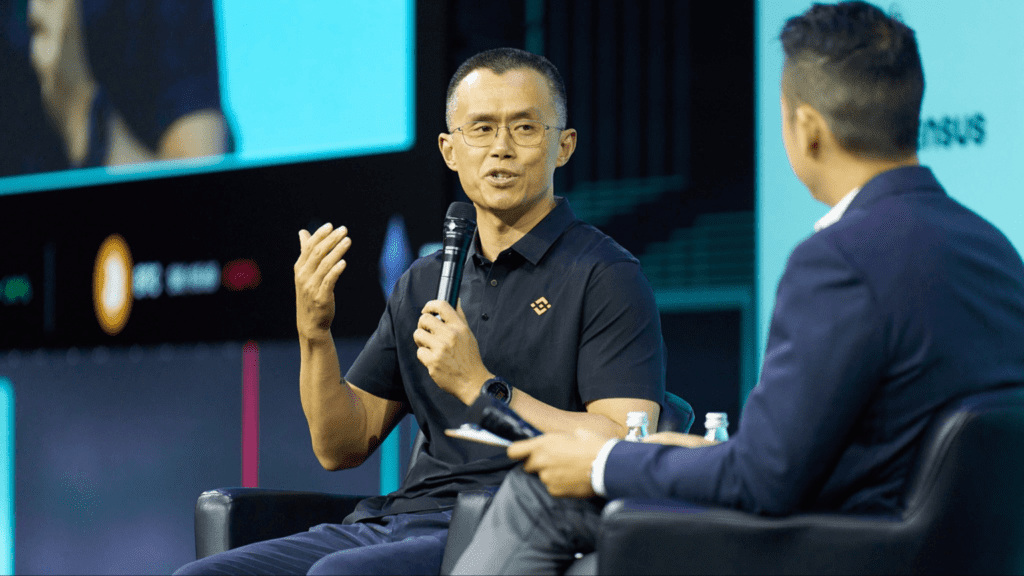
Binance founder Changpeng Zhao made a surprise live appearance. Originally, organizers scheduled him to attend virtually. When asked whether tokenized real-world assets are underrated or overrated, he gave a clear answer. Specifically, he thought RWAs were overrated a year ago. However, he has now changed his view. Additionally, he floated the idea of reviving Binance.US. As a result, U.S. users could potentially access global crypto liquidity again.
The investor framed the AI race in geopolitical terms. In his view, the country with the best AI wins all the wars. Therefore, the U.S. needs to outbuild China on power and data centers.
The founder of the x402 protocol cited bold estimates. Specifically, the agentic economy could reach $3 trillion to $5 trillion by 2030.
Across three days, a few clear narratives ran through every panel. These were the themes that defined Consensus Miami 2026.
This was the single most discussed topic across all three days. Multiple speakers framed AI agents as the next major DeFi user base. Specifically, agents can execute transactions, manage wallets, and operate within programmable spending controls. Notably, the agentic economy estimate of $3 to $5 trillion by 2030 came up across multiple panels.
The RWA tokenization market crossed $31 billion in value (excluding stablecoins) heading into the conference. Notably, CZ’s reversal on RWAs captured the broader vibe shift. In short, what looked overhyped in 2025 now reads as serious infrastructure.
Additionally, healthcare tokenization emerged as a notable subcategory. For example, Medimint announced a blockchain platform designed to tokenize healthcare infrastructure assets. As a result, the platform enables fractional ownership and broader investment access.
Stablecoins now hold what speakers repeatedly called their permission slip. As a result, the focus has shifted. Specifically, the question is no longer whether stablecoins belong in finance. Instead, the question is how they integrate with payments rails, liquidity provisioning, and cross-border settlement.
JPMorgan, Morgan Stanley, DTCC, Fidelity, and Mastercard all showed up heavily as sponsors and speakers. Notably, the old framing of TradFi versus DeFi was largely absent. As CoinDesk Indices President Dave Lavalle put it, the divide is rapidly disappearing. Specifically, the world’s largest banks now actively explore tokenization.
Panelists from Moody’s Ratings and ChangeNOW argued that privacy and accountability can coexist on public blockchains. Specifically, they pointed to hybrid blockchain architecture and address-level monitoring. As a result, the transparency-versus-privacy tradeoff looks workable.
Consensus has always served as a temperature check on where the industry is heading. Notably, the 2026 edition delivered a clearer answer than any year before it.
Crypto no longer pitches itself as an alternative to traditional finance. Instead, it is fusing into it. For instance, the biggest deals centered on tokenization plays. Additionally, the most repeated phrase on stage was institutional adoption. Furthermore, the fastest-growing category was AI agents transacting on-chain. Overall, none of this looks like the speculative-cycle conferences of 2021 or 2022.
Moreover, Miami confirmed its status as the operational center of U.S. crypto. The combination of policy access, capital, infrastructure firms, and consumer brand presence stands out. As a result, no other city can easily claim the same role this decade.
For builders, founders, and investors, the signal from this year’s Consensus is straightforward. First, the infrastructure layer keeps getting built. Second, the regulatory layer is getting cleaner. Finally, the next phase of crypto looks a lot less like a side bet and a lot more like financial plumbing.
The hype cycles aren’t over. However, they now route through better rails.