The robotics boom is accelerating as AI transforms robots, driving record funding, soaring valuations, and rapid growth across key industries.
The robotics boom is becoming impossible to ignore. Right now it feels like every company is an AI company. And even if it’s just a regular app/product, they already slapped a chatbot on it. All the startups have “AI” on the front page. And it looks like all the money is going there.
And to be fair, that’s kind of true. OpenAI, Anthropic and the other AI software giants are valued at hundreds of billions, way more than anything else out there. But that’s not what I want to get into here. This piece is about the fastest-growing sector in venture right now, and 2026’s actual superstar: robotics.
2026 is already the biggest funding year robotics has ever had: $18.8 billion, more than all of last year, and the year isn’t even done.
me and @wazzcrypto wrote about this earlier this month over on our Substack, but wanted to push it here too. I’ll link it at the bottom. If you’re into stuff like this, go subscribe.
Robots aren’t new, obviously. We’ve had them forever, but they were clever and dumb at the same time. A factory arm could do the exact same move a million times perfectly, then completely lose it if a box was turned the wrong way. Someone had to program every tiny thing it did. If this, then that. But real life isn’t that tidy. Stuff is messy, people get in the way, nothing stays where it’s meant to. So robots just sat in their cages doing one job.
AI is what finally let them out. Robots now can see a shelf, read the label, work out what “grab the red one” means, and just do it, without anyone coding each step. There’s a name for this now: Physical AI.
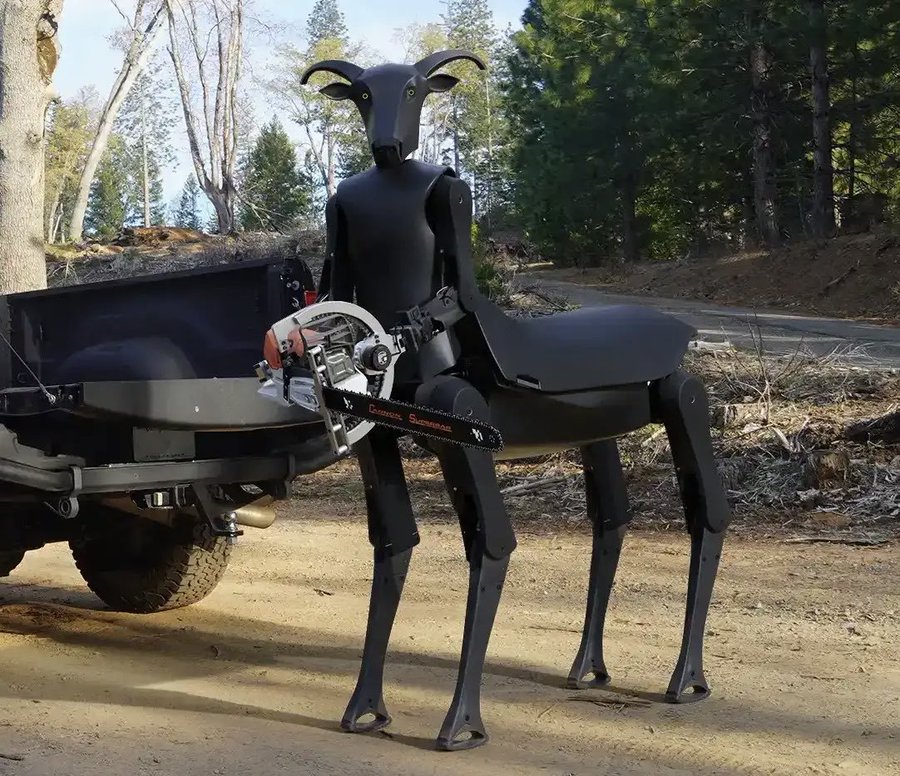
You can see it in the stuff going viral right now. A US company called Satyress just showed off a robot called threehalves: a human-like upper body on a four-legged base, built to walk into wildfires, dig through rubble, and go into toxic or cramped spaces you’d never send a person. A robot like that was basically impossible back when every move had to be hand-coded, because none of those places sit still for a second.
Most robots are for the jobs people don’t want, can’t do safely, or can’t do fast enough. A big chunk is defense: drones and self-flying aircraft for the military, which also happens to be the fastest way to get paid, because governments have urgent problems and real budgets.
Another chunk is just getting things from A to B: self-driving cars, and drones dropping medicine somewhere a truck can’t reach. And then the dangerous stuff, like that fire-and-rubble robot from earlier. Half these “robotics companies” are really delivery companies, defense contractors and logistics firms that just happen to walk or fly now.
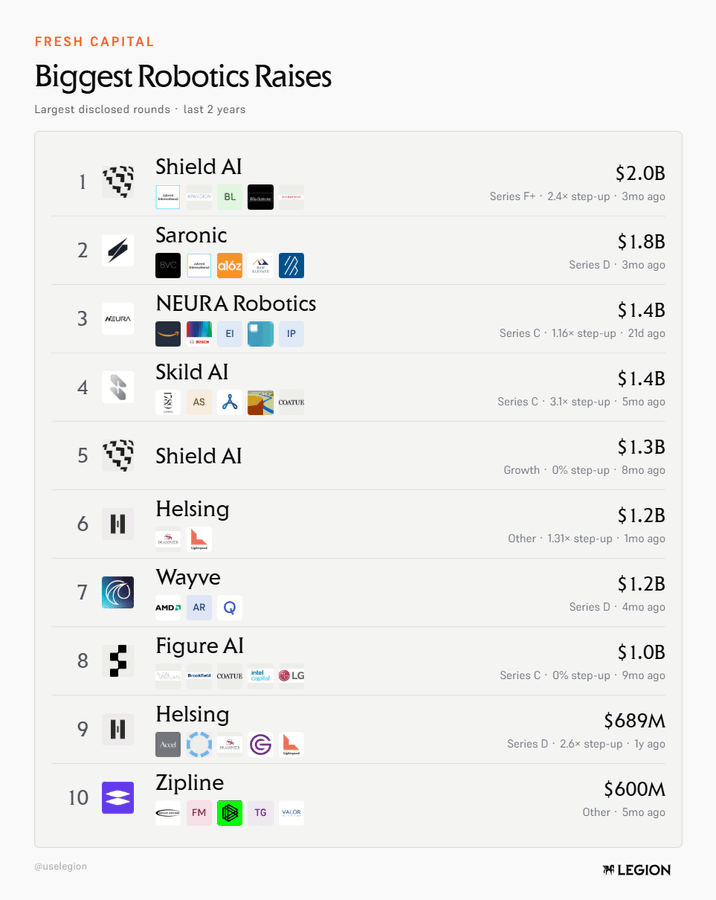
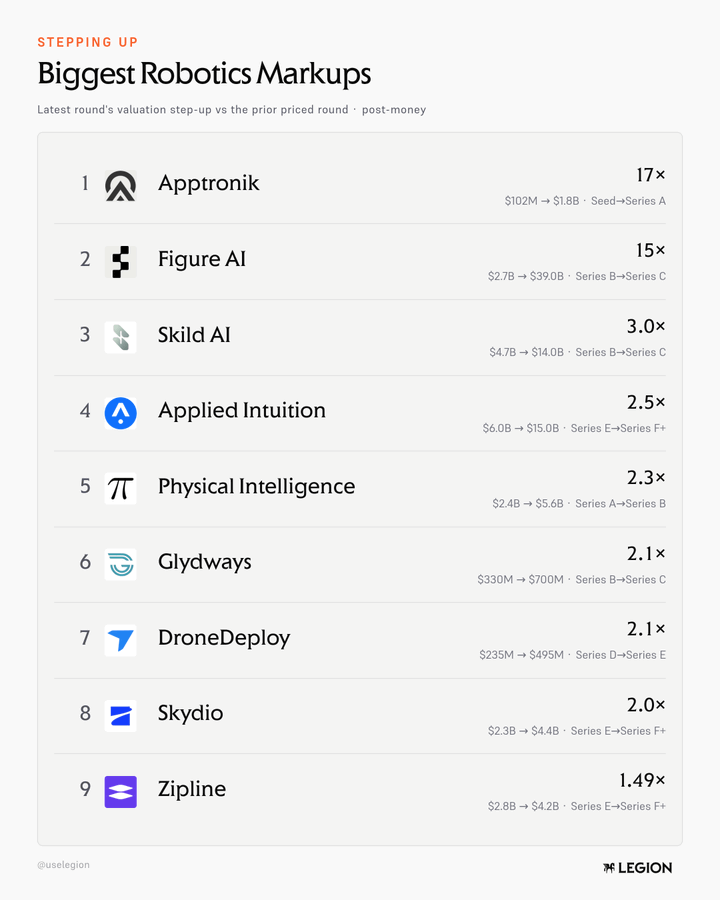
The robotics boom is attracting some seriously aggressive valuations. Investors are paying software prices for companies that build big, heavy machines.One humanoid startup, Figure, just got valued at $39 billion. That’s more than car companies that have been making actual cars for a hundred years.
This valuations are huge for a couple of reasons: software company can add a million users overnight for basically nothing. A robot company has to build every single robot, in a factory, and make sure it never hurts anyone. These valuations assume robots will grow the way apps do.
So why does any of this matter, even if you never buy a robot? The robotics boom tells you where AI goes next.The last few years it changed our lives significantly, but it all happened on our screens: how we write, search, make things. The bet now is that the next few years it changes the real world: who stocks the shelves, drives the truck, walks into the fire, keeps us company?!
Read more from the authors on Substack.

https://t.co/gyLAGaulDA