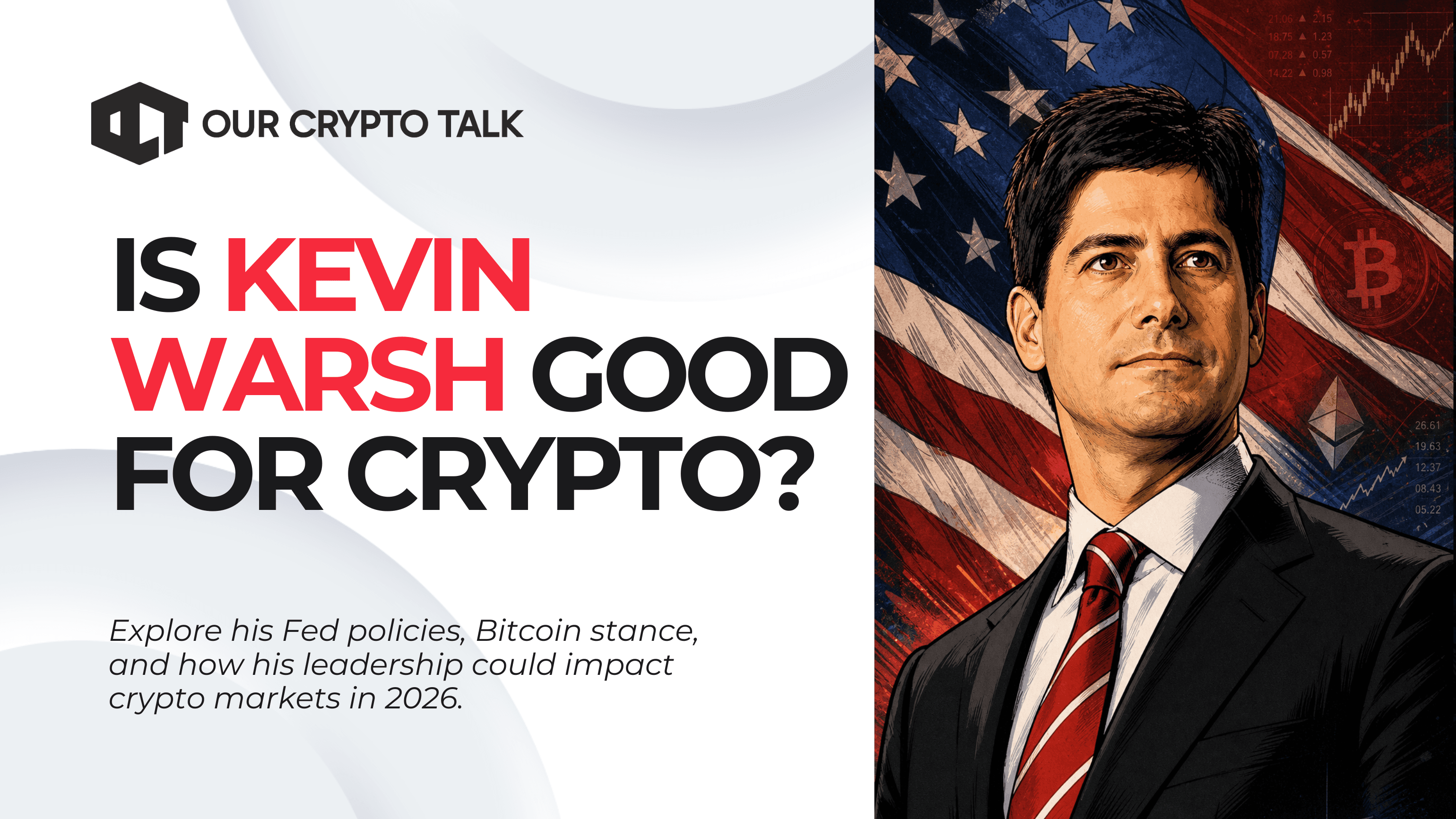
Is Kevin Warsh good for crypto? Explore his Fed policies, Bitcoin stance, and how his leadership could impact crypto markets in 2026.

Author: Chirag Sharma
The global crypto market stands at a critical inflection point, and leadership at the Federal Reserve could shape its next major cycle. The potential appointment of Kevin Warsh as Fed Chair has triggered widespread debate across financial and crypto circles. Investors are trying to understand whether his policy framework will support risk assets like Bitcoin or create new macro headwinds.
As of May 2026, Warsh has already cleared a major hurdle, with the Senate Banking Committee advancing his nomination in a closely divided vote. This transition arrives at a time when inflation remains sticky, geopolitical pressures influence energy markets, and crypto continues to mature as an institutional asset class. The central question is straightforward but complex: will Warsh’s leadership create a more favorable environment for crypto, or will his disciplined approach limit speculative upside?
To answer this properly, we need to examine his background, policy philosophy, crypto stance, and broader macro implications.
The timing of Kevin Warsh potential appointment matters just as much as the appointment itself. The Federal Reserve currently operates in a delicate environment where inflation has cooled from its peak but remains above target levels. Energy prices continue to fluctuate due to geopolitical factors, while economic growth shows signs of uneven recovery across sectors.
This backdrop creates a challenging scenario for any incoming Fed Chair. Warsh does not inherit a crisis like 2008, but he also does not inherit a stable macro environment. Instead, he steps into a transitional phase where policy decisions must balance inflation control with economic expansion.
For crypto markets, this environment is especially important because liquidity conditions drive capital flows into digital assets. When the Fed eases monetary policy, risk assets typically benefit. When it tightens policy, capital tends to rotate away from speculative sectors. Warsh’s decisions will directly influence this balance.
The key shift here is not just leadership change, but policy recalibration. Warsh represents a different philosophy compared to recent Fed leadership, and that difference could reshape how markets respond over the next cycle.
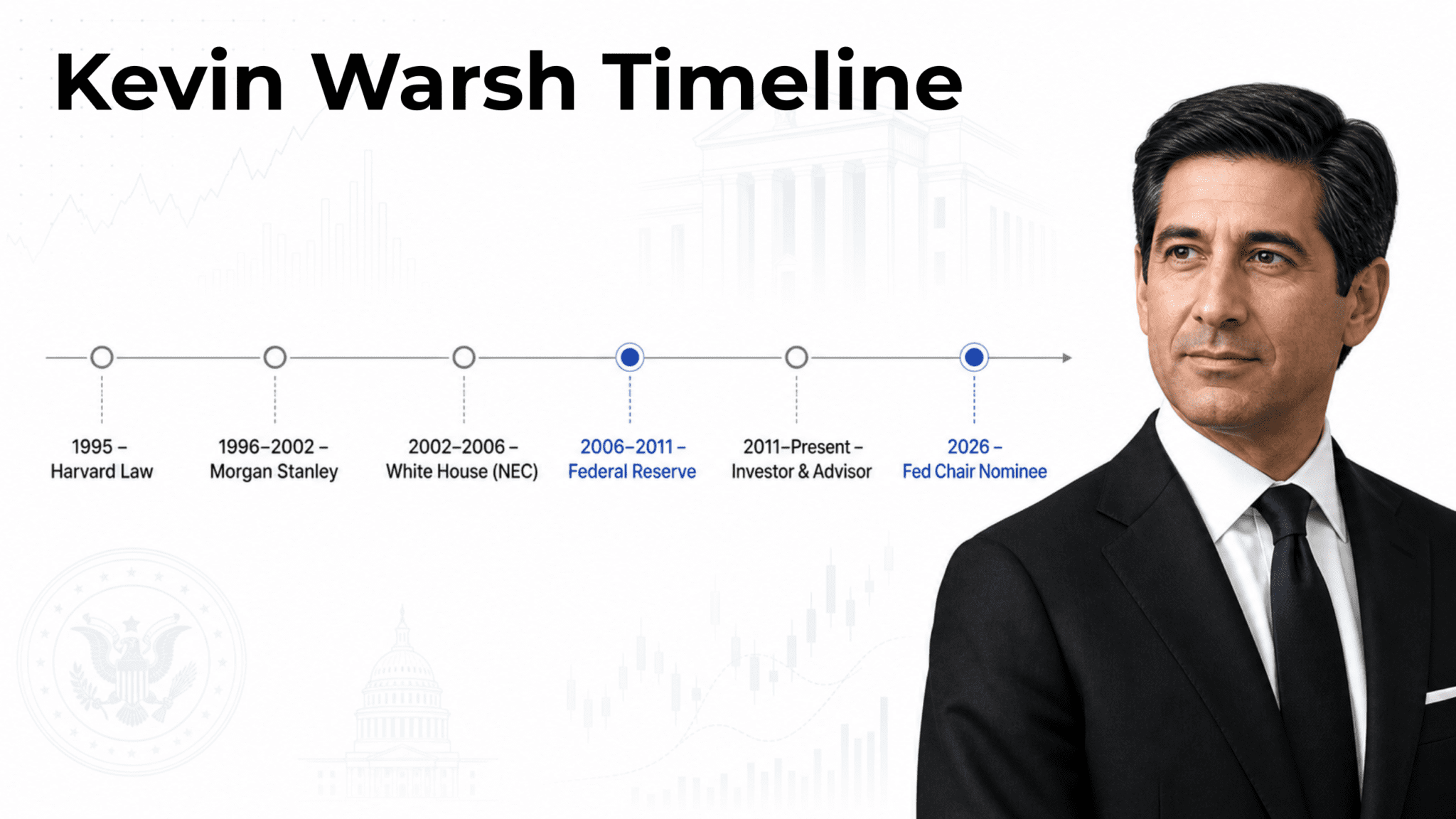
Kevin Warsh brings a unique combination of Wall Street experience, policymaking exposure, and academic insight which could help crypto. He began his career at Morgan Stanley, where he worked on mergers and acquisitions before moving into public policy. He later served as a Federal Reserve Governor during the 2008 financial crisis, working closely with Ben Bernanke on crisis management.
This experience gives him credibility that few policymakers possess. He has seen both sides of the financial system, from private markets to central banking operations. Importantly, he has also demonstrated independence in decision-making, notably opposing certain quantitative easing policies during his tenure.
After leaving the Fed, Warsh joined the Hoover Institution and remained active in financial markets. His involvement in advisory roles and investment activities has kept him closely connected to evolving financial trends, including digital assets.
For crypto, this background is significant because it suggests familiarity rather than skepticism. Unlike earlier policymakers who dismissed crypto as speculative or irrelevant, Warsh understands its role within modern financial systems. This does not guarantee supportive policies, but it reduces the likelihood of outright hostility.
Warsh’s monetary philosophy centers on discipline, efficiency, and long-term stability. He has been vocal about the Federal Reserve’s handling of inflation during the early 2020s, describing it as a major policy mistake driven by excessive accommodation.
He advocates for a more responsive and data-driven approach, often referred to as an “Oracle Fed” model. This model emphasizes real-time data, improved analytics, and faster policy adjustments. Instead of relying heavily on lagging indicators, Warsh supports using forward-looking metrics to guide decisions.
At the same time, he remains cautious about excessive easing. He has criticized large-scale asset purchases for distorting markets and disproportionately benefiting asset holders. This stance suggests that he will not pursue aggressive stimulus unless absolutely necessary.
For crypto markets, this creates a nuanced outlook. On one hand, disciplined policy reduces the risk of runaway inflation, which can stabilize long-term growth. On the other hand, it may limit the kind of liquidity-driven rallies that have historically fueled major crypto bull runs.
The outcome depends on how Warsh balances these priorities. If he can control inflation while allowing moderate easing, the environment could become constructive for crypto without excessive volatility.
One of the most important aspects of Warsh’s profile is his explicit stance on crypto. Unlike many policymakers, he has publicly acknowledged Bitcoin’s role within the financial system. He described it as a “good policeman for policy,” suggesting that it serves as a signal for monetary imbalances.
He also referred to Bitcoin as a form of digital gold for younger generations, highlighting its potential as a store of value. These statements reflect a level of understanding that has been largely absent in previous Fed leadership.
More importantly, Warsh has taken a clear position against retail central bank digital currencies. He views them as unnecessary and potentially harmful to privacy and financial autonomy. Instead, he supports private-sector innovation, including stablecoins and blockchain-based infrastructure.
This position aligns more closely with the broader crypto ecosystem. It suggests that under Warsh, the Federal Reserve may adopt a more neutral or even supportive stance toward digital assets, rather than attempting to compete with them through centralized alternatives.
His investment exposure to crypto-related projects further reinforces this perspective. While he has pledged to divest upon confirmation, these investments indicate familiarity with the space and its underlying technologies.
The most immediate impact of Warsh’s leadership will come through macroeconomic policy. Interest rates, liquidity conditions, and dollar strength all play a critical role in shaping crypto market performance.
Lower interest rates generally benefit crypto by reducing the opportunity cost of holding non-yielding assets like Bitcoin. They also increase risk appetite, encouraging capital allocation to higher-growth sectors. Conversely, higher rates tend to create headwinds.
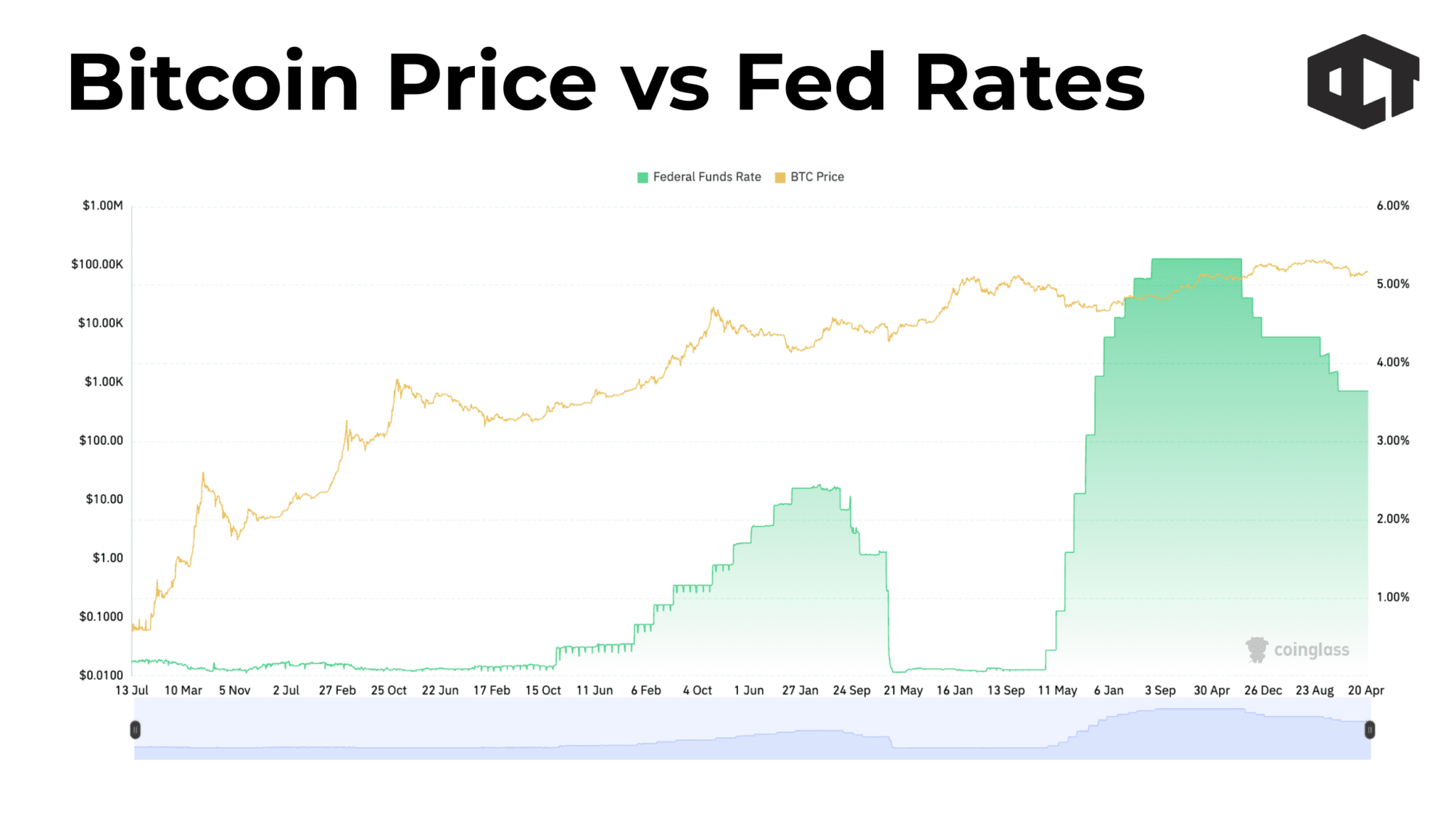
Warsh’s approach suggests a more measured path. He is unlikely to implement aggressive rate cuts unless inflation shows clear signs of sustained decline. This could lead to short-term volatility as markets adjust to a less accommodative environment.
However, there is also a positive angle. Warsh’s emphasis on data-driven policy could enable faster responses to changing conditions. If inflation moderates due to technological advancements or productivity gains, the Fed may be able to ease policy more confidently.
Another factor is regulatory alignment. While the Fed does not directly regulate crypto markets, its stance influences broader policy direction. A Fed Chair who recognizes crypto as part of the financial system could encourage more coordinated and innovation-friendly regulation across agencies.
This combination of disciplined policy and institutional recognition could create a more stable foundation for crypto growth.
Kevin Warsh potential appointment represents a meaningful shift in how the Federal Reserve may approach both monetary policy and crypto. His background, policy framework, and crypto stance suggest a more informed and balanced perspective compared to previous leadership.
For crypto, this is broadly positive. Warsh’s recognition of Bitcoin’s role, combined with his opposition to intrusive digital currency policies, supports the long-term legitimacy of the sector. His emphasis on private-sector innovation aligns with the core principles of decentralization.
However, this optimism should be tempered with realism. Warsh is not a pro-crypto policymaker in the traditional sense. He prioritizes stability, inflation control, and disciplined policy over speculative growth. This means that crypto markets may not receive the same level of liquidity-driven support seen in previous cycles.
In the long run, this could be beneficial. A more stable macro environment reduces the risk of extreme boom-bust cycles, allowing crypto to mature as a legitimate asset class. Institutional adoption may accelerate under a framework that emphasizes credibility and sustainability.
The final outcome will depend on execution. If Warsh successfully balances inflation control with growth, crypto markets could enter a more stable and constructive phase. If policy remains too restrictive, short-term pressure may persist.
What remains clear is that this transition marks an evolution in the relationship between central banking and digital assets.
All the opinions in this article are that of the author and in no way are financial advice. Our Crypto Talk and the author always suggest you do your own research in crypto and to never take anything as financial advice that you read on the internet. Check our Terms and conditions for more info.