 Chirag Sharma
Apr 5, 2026, 10:53 PM UTC

Author: Chirag Sharma
In a market where most new blockchains fade within months, Monad blockchain growth has caught most of the eyes. It has not just survived post-launch volatility. It has grown through it. Launched in November 2025, Monad entered one of the most competitive segments in crypto: high-performance Layer 1 blockchains. The expectations were massive. The competition was brutal. And the timing was far from ideal, with the broader market experiencing periods of weakness.
Yet, Monad has managed to maintain a stable market cap, attract liquidity, and build a fast-growing ecosystem. This raises an important question. What is driving Monad’s growth, and can this momentum continue through 2026? To answer that, we need to break down the Monad blockchain growth story across technology, tokenomics, adoption, and long-term positioning.
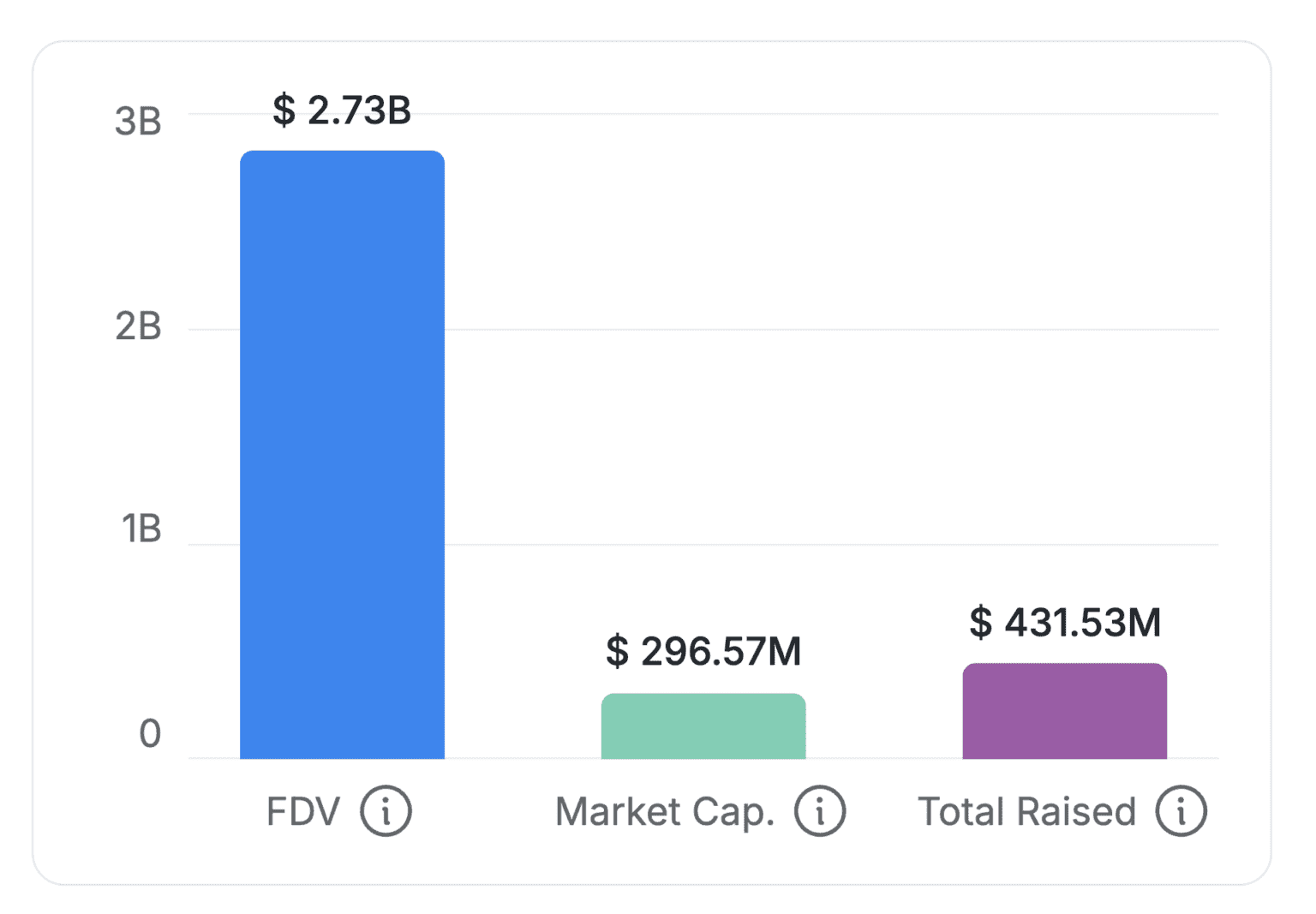
Monad’s launch was not quiet. It was one of the most anticipated events of 2025. The project raised over $187 million through a public sale, attracting tens of thousands of participants. Demand exceeded supply significantly, highlighting strong early interest. Once trading began, the token surged quickly. Market cap climbed toward the $400 million range, with early volatility expected as liquidity formed. However, what stood out was not the initial hype. It was what happened after.
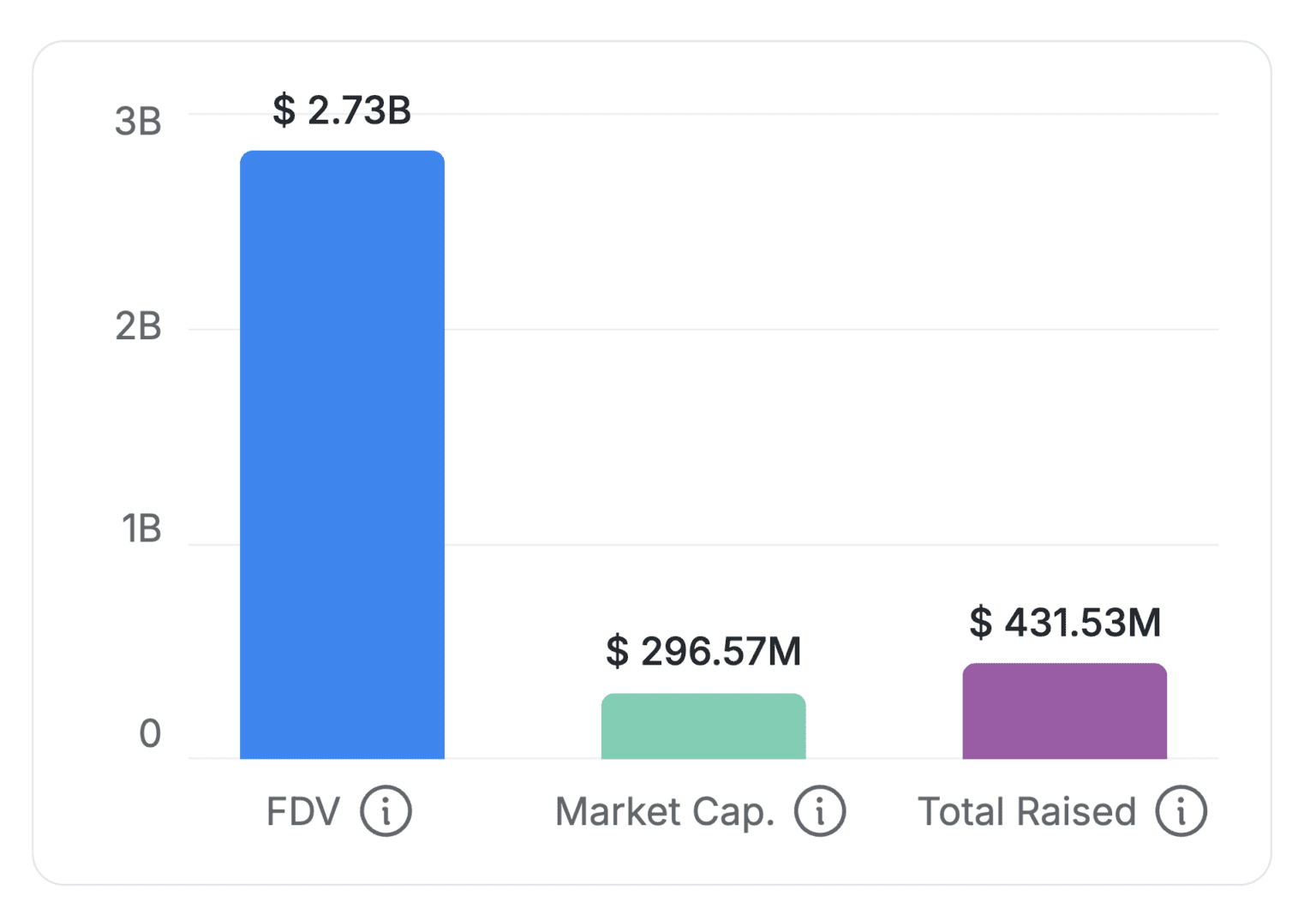
While many new tokens experience sharp declines and lose traction, Monad stabilized. Even after market corrections, it maintained a market cap close to $300 million. This is not typical behavior for a newly launched Layer 1. Most projects struggle to retain attention once the initial excitement fades. Monad, instead, transitioned from hype to sustained activity. That shift is the foundation of its growth story.
At the heart of Monad’s success is its technology. Ethereum has long faced scalability limitations due to sequential execution. Transactions are processed one after another, which limits throughput and increases costs. Monad changes this model. It introduces parallel execution within an EVM-compatible environment. This allows multiple transactions to be processed simultaneously, as long as they do not conflict. The result is a significant increase in performance.
Monad achieves:
These are not just theoretical improvements. They directly impact user experience. Applications can run faster. Costs remain low. Developers can build more complex systems without worrying about congestion. The key advantage is compatibility. Unlike many high-performance chains, Monad does not require developers to learn a new ecosystem. Existing Ethereum tools and smart contracts can be used without modification.
This lowers the barrier to entry and accelerates adoption. In simple terms, Monad offers Ethereum-level programmability with significantly better performance. That combination is rare.
Technology alone does not guarantee success. Execution matters just as much. Monad’s founding team brings experience from high-frequency trading environments. These are systems where speed, efficiency, and reliability are critical. This background shows in the design of the network. From launch, Monad delivered stable performance. There were no major outages or failures. Transactions processed smoothly. Fees remained consistent. This level of reliability builds trust.
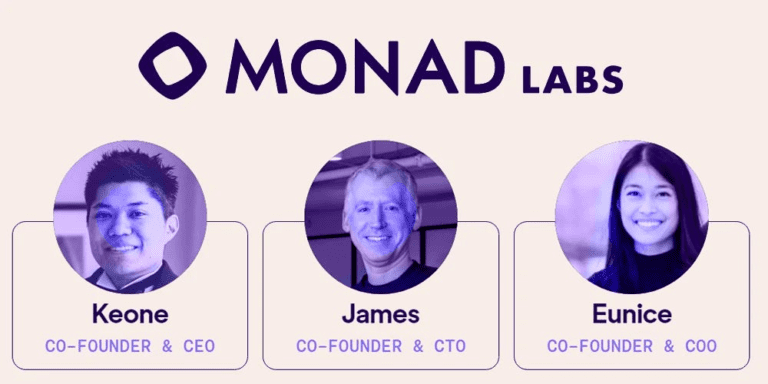
Funding also plays a role. Monad raised over $400 million across multiple rounds, including backing from major crypto investors.
This capital allows for:
It also signals confidence from experienced investors. In crypto, strong backing often translates into stronger execution.
Monad’s tokenomics have contributed to its early stability. At launch, only a small portion of total supply entered circulation. This limited immediate selling pressure and helped maintain price stability. A significant share of tokens remains locked, with gradual unlock schedules extending into future years. This creates a controlled release of supply.
In the early phase, this is beneficial. It prevents large-scale dumping and supports price stability. However, it introduces future risk. As more tokens unlock, selling pressure can increase. This is a common pattern across many Layer 1 projects.
The key difference will be demand. If adoption grows faster than supply, price can sustain or increase. If not, unlocks can act as a drag on performance. Monad’s tokenomics are not inherently flawed. They are simply time-sensitive. The real test will come as unlocks accelerate later in 2026 and beyond.
The strongest indicator of Monad’s success is its ecosystem growth. Within four months of launch, Total Value Locked (TVL) crossed $355 million. This is one of the fastest growth rates for a new Layer 1. TVL represents capital committed to the network. It reflects real usage, not just speculation.
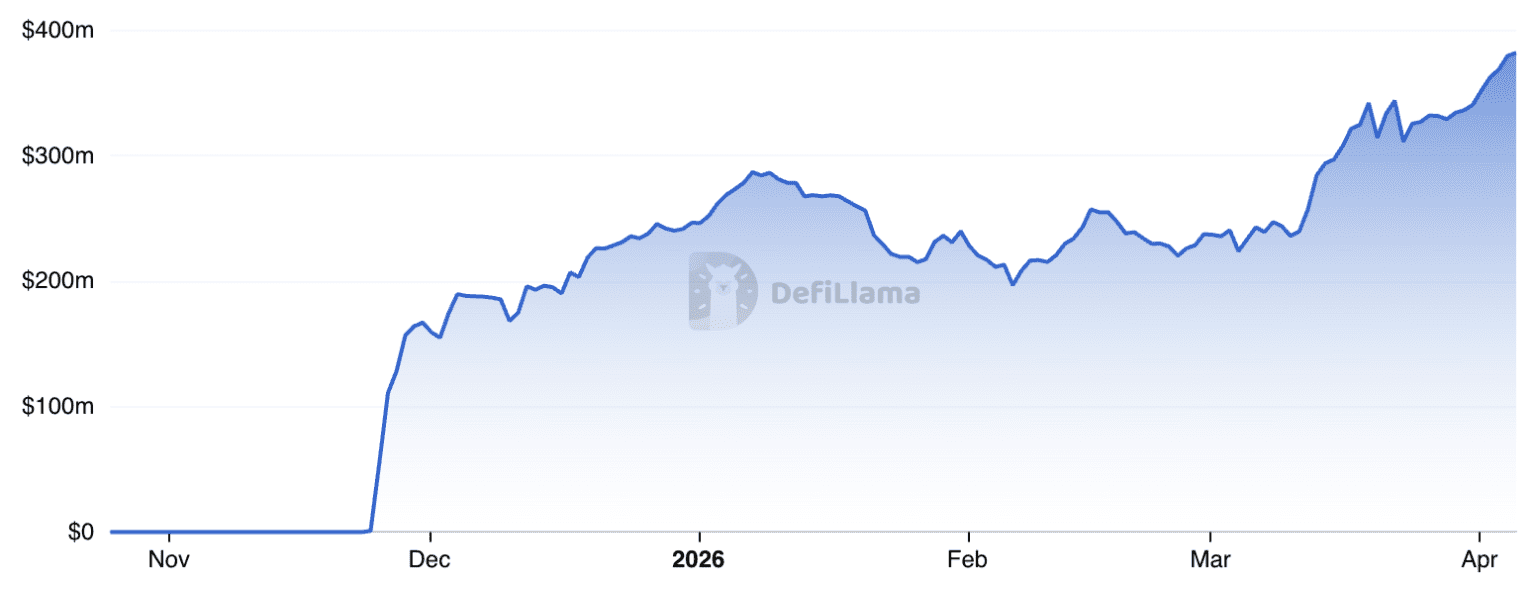
Several factors have driven this growth. Major DeFi protocols quickly deployed on Monad. Liquidity flowed in as users explored the network’s low fees and high speed. Bridged assets expanded available capital, enabling more activity across applications. Developer participation also increased through hackathons and incentives.
This created a feedback loop. More developers lead to more application which attract more users. More users bring more liquidity. This is how ecosystems scale. Monad has successfully initiated this cycle.
Another factor supporting Monad blockchain growth is institutional interest. Partnerships with financial infrastructure providers and tokenization platforms signal long-term potential.
These collaborations focus on:
Institutions are increasingly looking for blockchain infrastructure that can handle real-world demand. Monad’s performance makes it a strong candidate. Low fees and high throughput are essential for large-scale adoption. Traditional systems cannot operate efficiently on high-cost networks. This positions Monad well for future integration into broader financial systems. While still early, these partnerships suggest a shift from experimental use cases toward real utility.
Crypto markets in 2026 have not been consistently bullish. Many altcoins have experienced significant declines from their highs. New projects often struggle even more during these periods. Monad has shown relative resilience.
While it did experience volatility, its market cap stabilized instead of collapsing. This stability is important. It indicates that value is not purely driven by speculation. There is underlying demand supporting the token. TVL growth reinforces this point.
Even during broader market dips, capital continued to flow into the ecosystem. This suggests that users are engaging with the network for its functionality, not just price expectations. Resilience is a key trait of long-term winners.
Despite its strong start, Monad faces several challenges. First, token unlocks will increase over time. This introduces potential selling pressure that must be absorbed by growing demand. Second, competition remains intense. Other Layer 1 chains continue to improve. Some are also exploring parallel execution and performance optimizations. Third, fee generation is still relatively low.
Early-stage networks often rely on incentives to drive activity. Transitioning to organic demand is critical for sustainability. Fourth, ecosystem maturity is still developing. While growth is strong, it must continue across multiple sectors including DeFi, gaming, and real-world applications. These challenges are not unique to Monad. They are part of the natural lifecycle of any blockchain. The difference will lie in execution.
Looking forward, Monad enters 2026 with momentum. Its roadmap includes:
If executed well, these developments can strengthen the ecosystem. The key metric to watch is alignment.
For sustained success, Monad needs:
If these factors align, the network can transition from early growth to long-term relevance.
Monad’s growth since launch is not an accident. It is the result of strong technology, disciplined execution, and early ecosystem traction. The project has demonstrated that high-performance infrastructure combined with Ethereum compatibility can attract real adoption.
However, the journey is just beginning. Future success will depend on how well Monad handles supply dynamics, competition, and the transition to organic demand. The Monad blockchain growth story is still being written.
But so far, it stands out in a market where most projects struggle to maintain relevance.