 Chirag Sharma
Apr 4, 2026, 12:34 PM UTC

Author: Chirag Sharma
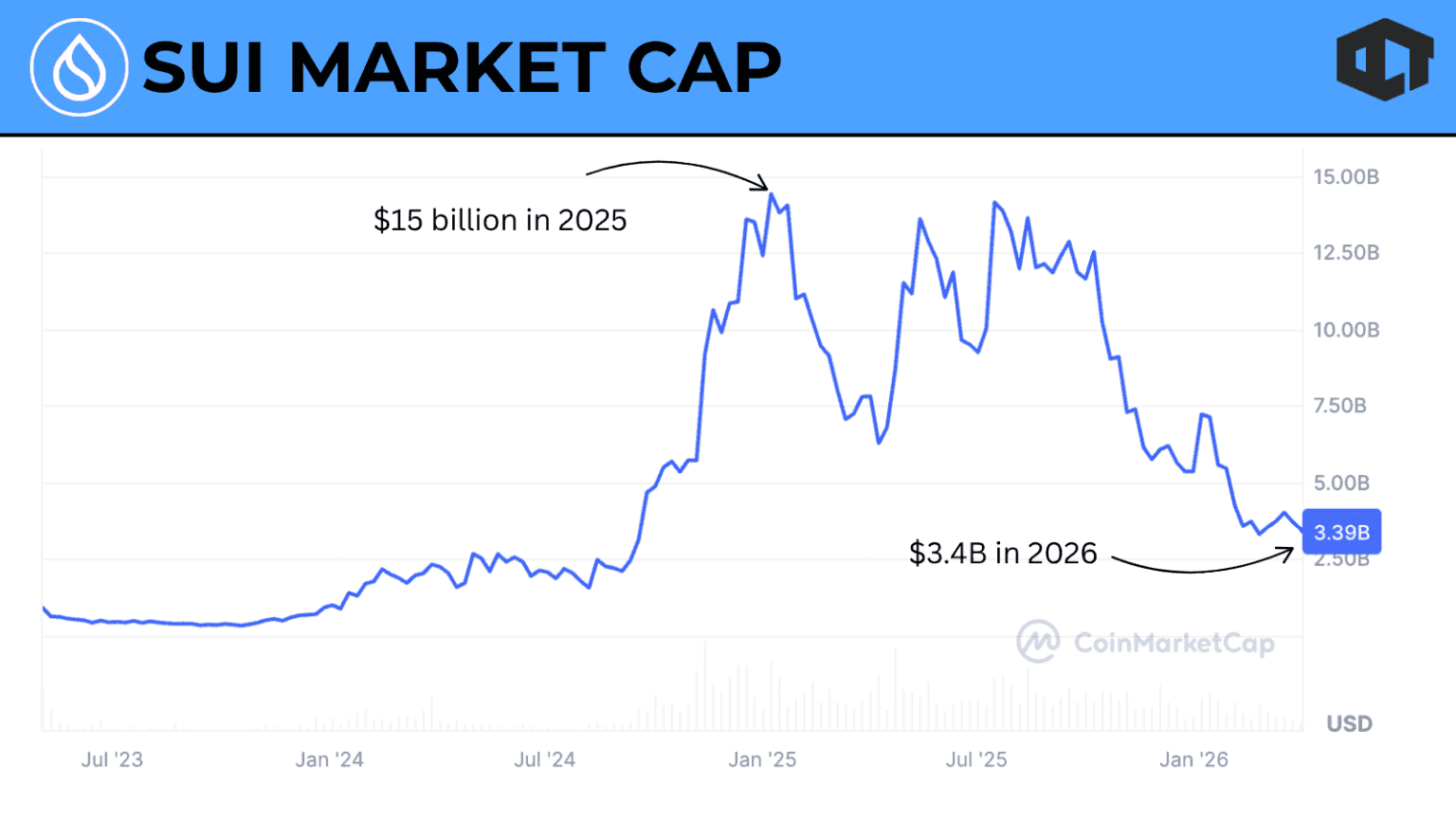
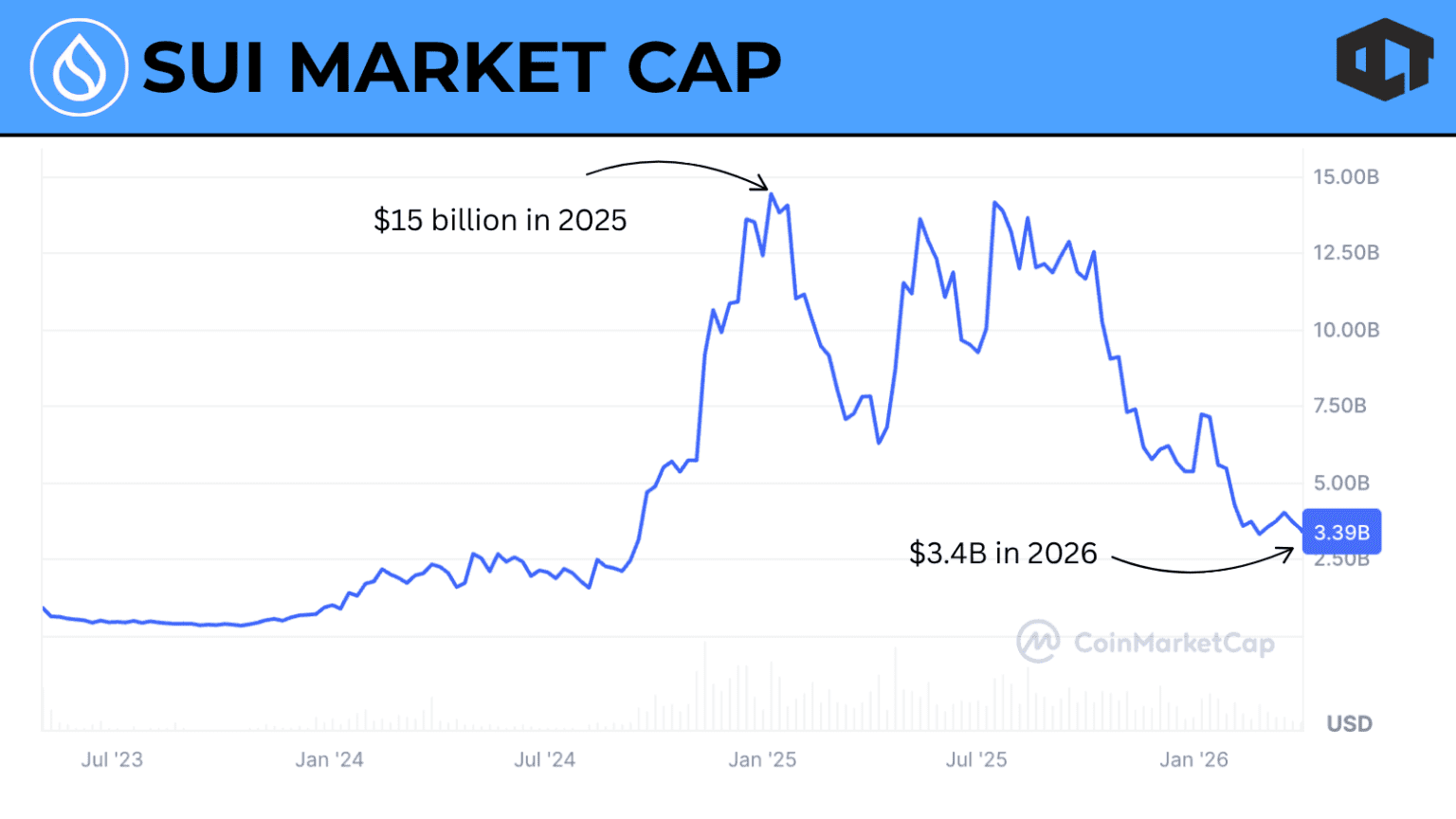
Sui was once one of the most hyped Layer 1 blockchains in crypto. It promised speed, scalability, and a new execution model that could rival established networks. Backed by top-tier investors and positioned as a “Solana killer,” it captured attention quickly. Fast forward to 2026, and the picture looks very different. The token has dropped over 80 percent from its all-time high, on-chain activity has cooled, and token supply continues to expand every month.
This raises an important question for investors. Is SUI worth buying in 2026, or is it another example of strong technology failing to translate into token performance? To answer this, we need to break down the full Sui 2026 investment case across price math, tokenomics, on-chain activity, and long-term potential.
At its peak in early 2025, SUI traded at around $5.35. Today, it sits near $0.88. That is an 83 percent drawdown. At first glance, this might look like an opportunity. Many investors see large drawdowns as discounted entry points. However, in crypto, price recovery is not just about percentage gains. It is about market cap expansion.
To return to its previous all-time high, SUI would need to rally over 500 percent. That alone is not unusual in crypto cycles. The problem lies in what happens to supply during that time. SUI currently has around 3.9 billion tokens in circulation. By the end of 2026, that number is expected to rise significantly. As supply increases, the required market cap for any given price also increases.
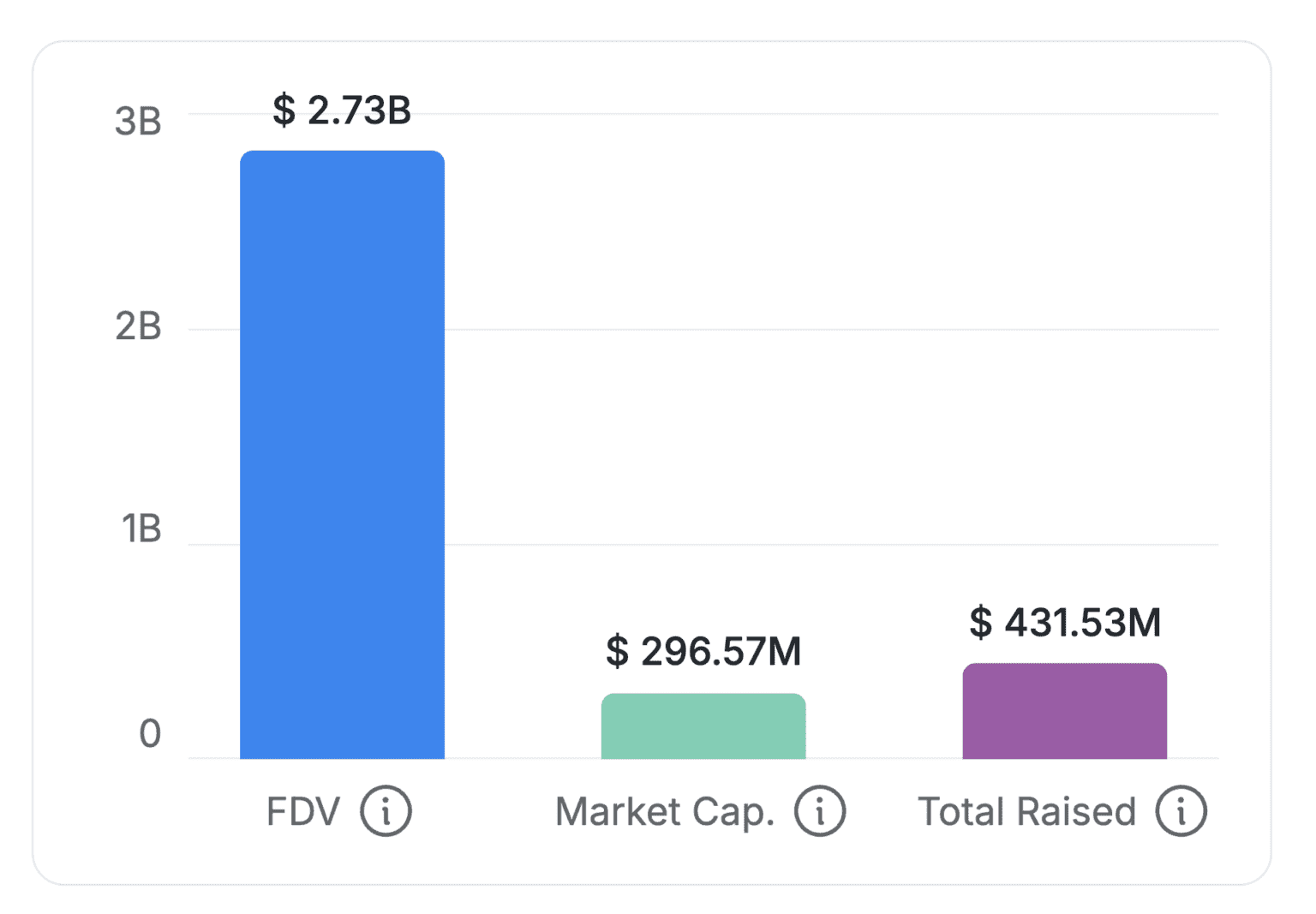
This creates a moving target. At current supply levels, a return to $5.35 would require a market cap above $20 billion. As more tokens unlock, that requirement rises toward $25 billion and beyond. At full dilution, the implied valuation becomes extremely high compared to peers.
For context, even dominant ecosystems like Solana took years of growth and adoption to justify similar valuations. SUI would need to close that gap rapidly. This is the first major challenge in the Sui 2026 investment thesis.
The biggest structural issue with SUI is not price. It is supply. Only about 39 percent of total supply is currently circulating. The remaining tokens are locked and scheduled to unlock gradually until 2030. Every month, tens of millions of tokens enter circulation. This creates constant selling pressure, especially during weak market conditions.
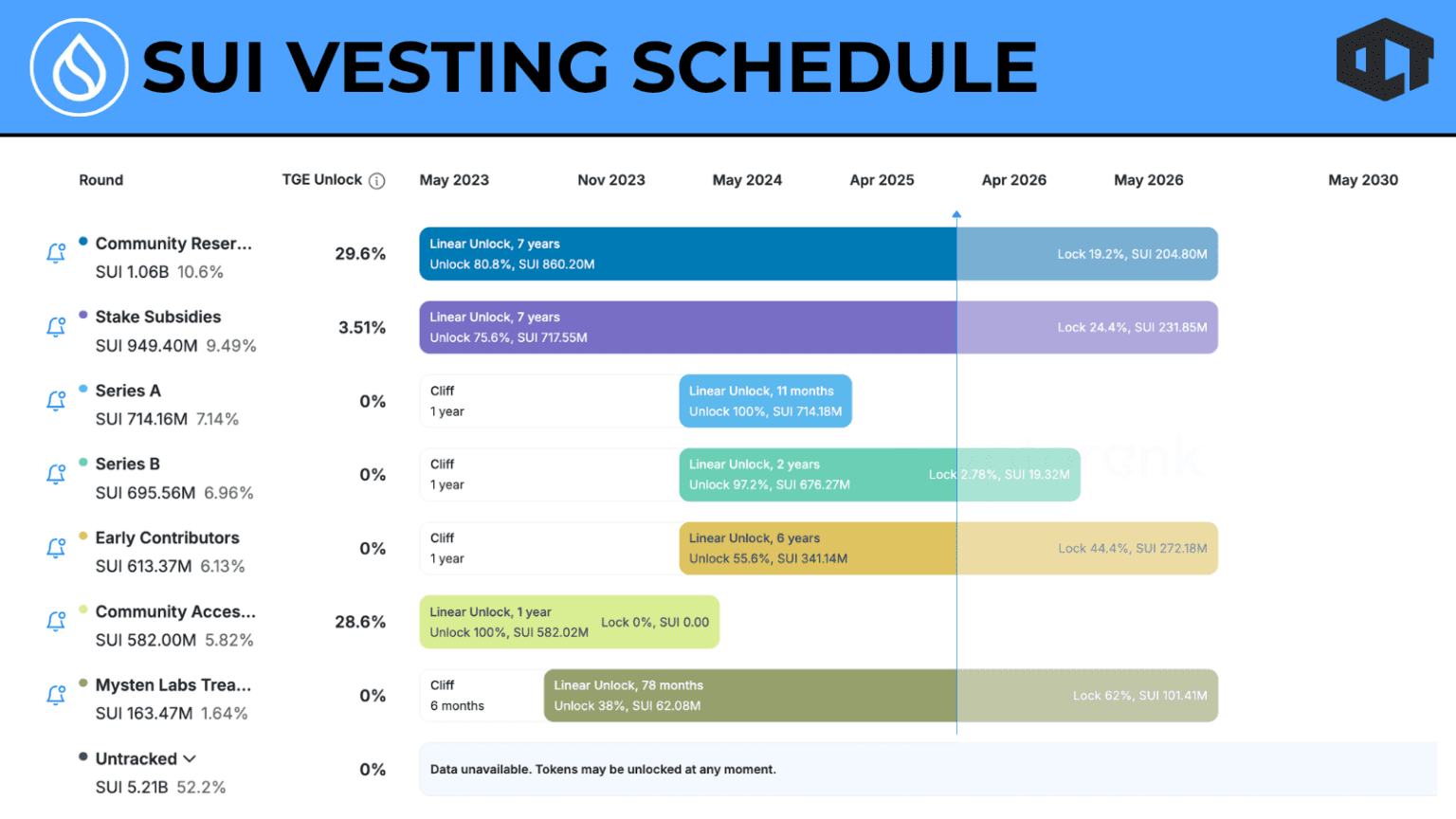
These tokens are not randomly distributed. They belong to:
These groups have clear incentives. Venture investors aim to generate returns. Contributors may diversify their holdings. Treasury allocations fund ongoing development. In all cases, unlocked tokens increase supply and often lead to selling. This creates a predictable pattern. Every rally faces resistance from new supply entering the market. Even strong price moves tend to get sold into. Over time, this makes sustained upward momentum difficult.
What makes this worse is the absence of strong counteracting forces. SUI does not have a meaningful deflationary mechanism. While some tokens are temporarily locked in storage, they can be released later. Gas fee burns exist, but they are too small to offset emissions. The result is a system where supply keeps increasing without sufficient mechanisms to reduce it. This is the structural core of the Sui 2026 bear case.
Supply alone does not determine price. Demand plays an equally important role. If demand grows faster than supply, price can still rise. However, SUI’s on-chain data suggests the opposite trend. Total Value Locked (TVL), a key metric for DeFi activity, peaked above $2.5 billion and later dropped significantly. While there has been some recovery, it remains far below previous highs.
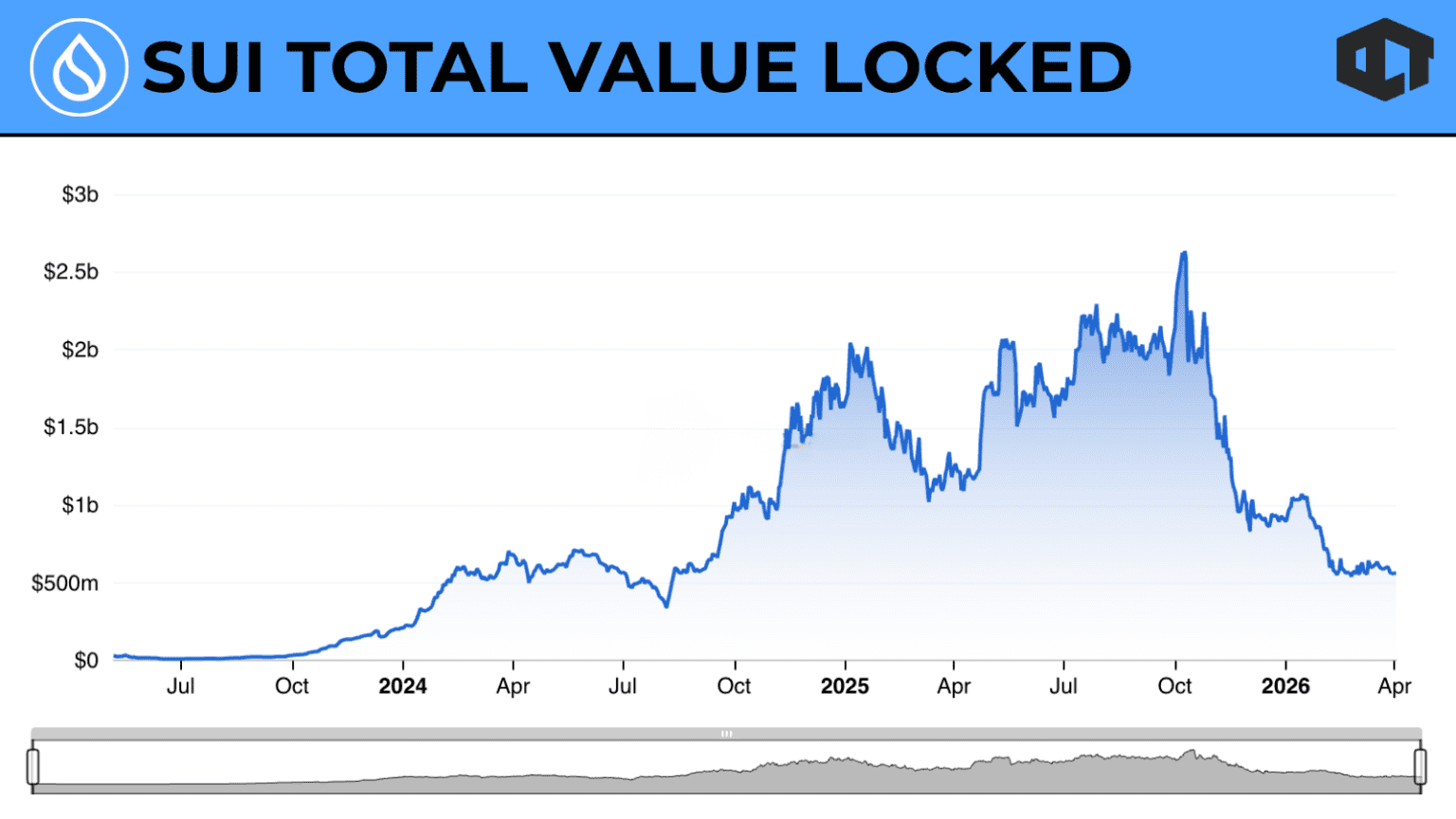
Other metrics show similar patterns. Daily active users declined over time. Transaction counts decreased. Network fees fell, indicating reduced economic activity on-chain.
These trends matter.
For a token to sustain higher prices, it needs:
SUI currently shows weakening signals across these areas. At the same time, staking yields remain relatively low. This reduces the incentive for long-term holding, especially when inflation from new token emissions is taken into account. The combination is problematic. Expanding supply paired with weakening demand creates structural downward pressure.
One of the most important points in the Sui 2026 discussion is this:
Technology and token performance are not the same. Sui’s underlying technology is strong. It introduces several innovations:
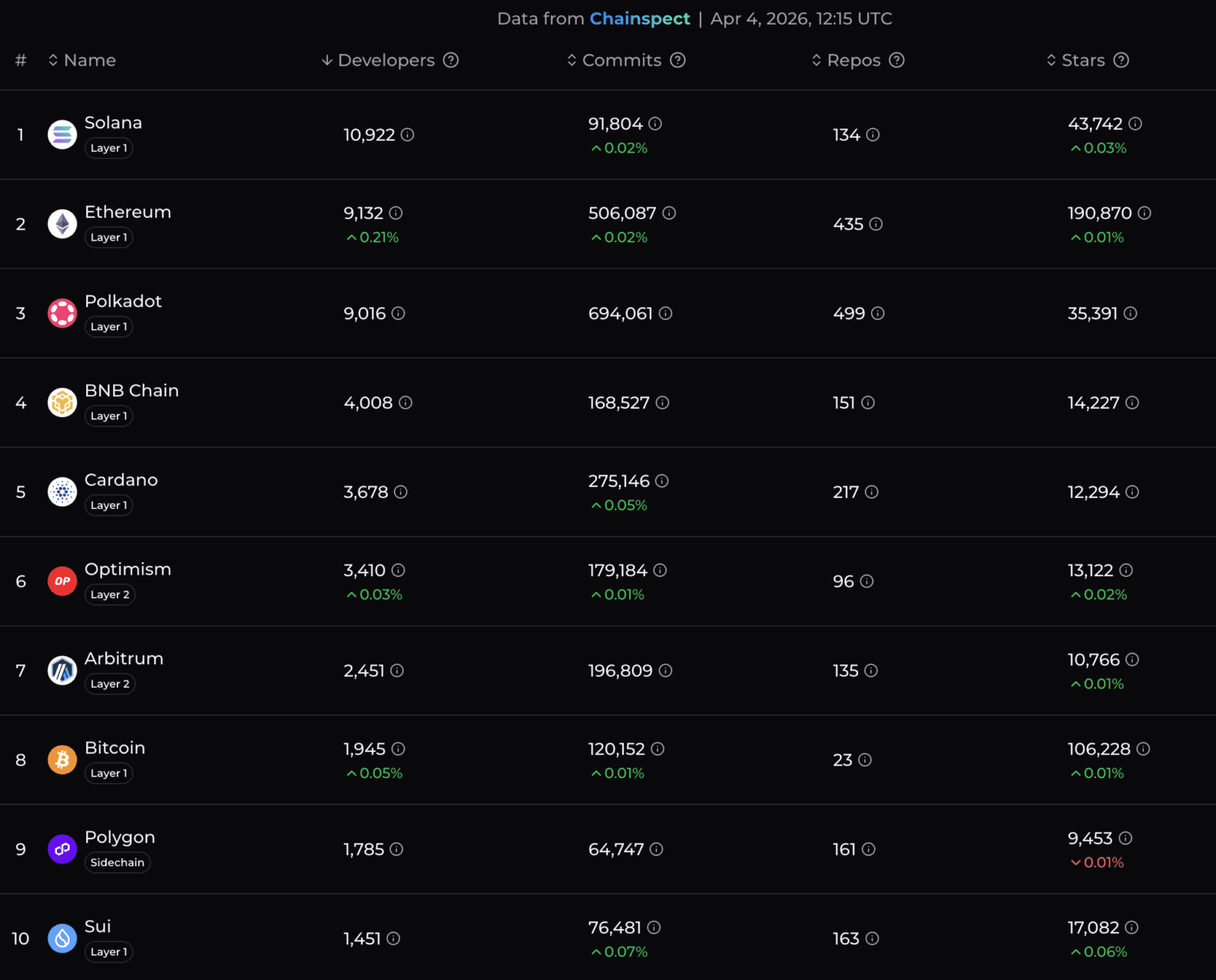
Developer activity has also been impressive. Growth in developer participation suggests continued interest in building on the network. Institutional attention adds another layer of credibility. New products, integrations, and partnerships signal long-term belief in the ecosystem.
These are real strengths. However, crypto history shows that strong technology does not guarantee strong token performance. Projects can succeed as networks while their tokens underperform due to poor tokenomics. This is where SUI faces its biggest challenge.
Despite the challenges, there are reasons why some investors remain bullish on SUI. First, developer growth is significant. Increased builder activity often leads to new applications, which can drive future demand.
Second, infrastructure improvements continue. Network upgrades have reduced costs and improved performance, making the chain more competitive.
Third, institutional involvement is growing. New financial products and integrations suggest that larger players are paying attention.
Fourth, ecosystem expansion is ongoing. New protocols, stablecoins, and bridges are being developed, which could improve liquidity and usability.
Finally, innovation remains a strong point. Sui’s architecture is designed for scalability and efficiency, which positions it well for future use cases. These factors form the foundation of the bullish argument.
While the bull case is valid, it does not fully address the core issue. Supply. Even if demand improves, it must outpace continuous token emissions to drive sustainable price growth. This is difficult.
Monthly unlocks introduce consistent selling pressure. Inflation from staking further increases supply. Without strong deflationary mechanisms, the net effect remains negative. This creates a scenario where:
The bull case relies heavily on future growth. The bear case is rooted in current structure. In investing, structure often matters more.
To evaluate SUI properly, it helps to compare it with other Layer 1 ecosystems. Established networks like Ethereum and Solana have:
They also faced years of development and multiple market cycles before reaching current levels. SUI is still early in its lifecycle. This means it has room to grow, but also more uncertainty. For SUI to compete effectively, it must not only improve its ecosystem but also overcome its token supply challenges. That is a high bar.
The outlook for SUI depends heavily on time horizon. In the short term, volatility creates opportunities. Crypto markets often experience sharp rallies even in weak conditions. Traders can benefit from these movements.
In the long term, the picture is more complex. Sustained growth requires alignment between:
Currently, these factors are not fully aligned for SUI. This does not mean the project will fail. It means the path to strong token performance is more difficult than many expect.
The answer depends on how you approach the market. As a technology, Sui is one of the more advanced Layer 1 blockchains available today. Its architecture, developer growth, and ecosystem potential are all strong. As an investment, the situation is less clear.
The continuous unlock schedule, expanding supply, and weakening on-chain activity create structural challenges that cannot be ignored. For short-term traders, opportunities will exist. For long-term investors, the risk-reward balance is more uncertain.
The Sui 2026 thesis ultimately comes down to one question. Can demand grow fast enough to absorb continuous supply expansion? Until that happens, every rally faces a structural ceiling.