The top crypto narratives for 2026 include RWAs, AIagents, L2s, privacy coins and DePIN. Here's which trendswill drive the next market cycle.

Author: Akshat Thakur
Crypto moves in cycles, but not every cycle is driven by the same thing. 2017 was ICOs. 2020 was DeFi. 2021 belonged to NFTs and metaverse speculation. 2024 saw memecoins and AI tokens dominate attention. By 2026, the market is shifting again as new crypto narratives for 2026 emerge. This cycle looks different because capital is moving toward infrastructure, tokenized finance, AI automation, and blockchain systems that generate real revenue instead of pure speculation.
The strongest crypto narratives for 2026 are not just about hype. They are about products institutions want to use, networks developers want to build on, and sectors where liquidity continues to grow.
This article breaks down the biggest crypto narratives for 2026, why they matter, which projects are leading them, and where smart money is paying attention.
Crypto narratives are major themes that attract investor attention and capital during different market cycles.
When a narrative gains momentum, entire sectors can outperform the broader market. Tokens connected to that theme often see increased trading volume, higher valuations, and stronger developer activity.
A few examples:
Narratives matter because crypto is still heavily driven by liquidity rotation and attention. The sectors that attract the most users, developers, and institutional interest usually outperform first. But not every narrative survives.
Some become foundational infrastructure. Others disappear once speculation fades. The key question for 2026 is simple:
Which narratives are building long-term infrastructure instead of temporary hype?
Before looking at individual sectors, it helps to understand the macro forces shaping this cycle.
The approval of Bitcoin ETFs opened the door for traditional finance to enter crypto at scale. Now institutions are moving beyond Bitcoin.
BlackRock, Franklin Templeton, Fidelity, and other major firms are actively exploring tokenized treasuries, stablecoins, and blockchain settlement systems. This matters because institutional flows are much larger and more stable than retail speculation.
The biggest winners in 2026 will likely be protocols that support:
The market is slowly moving away from the idea that blockchains only exist for speculation. Payments, remittances, treasury products, and yield generation are becoming real use cases.
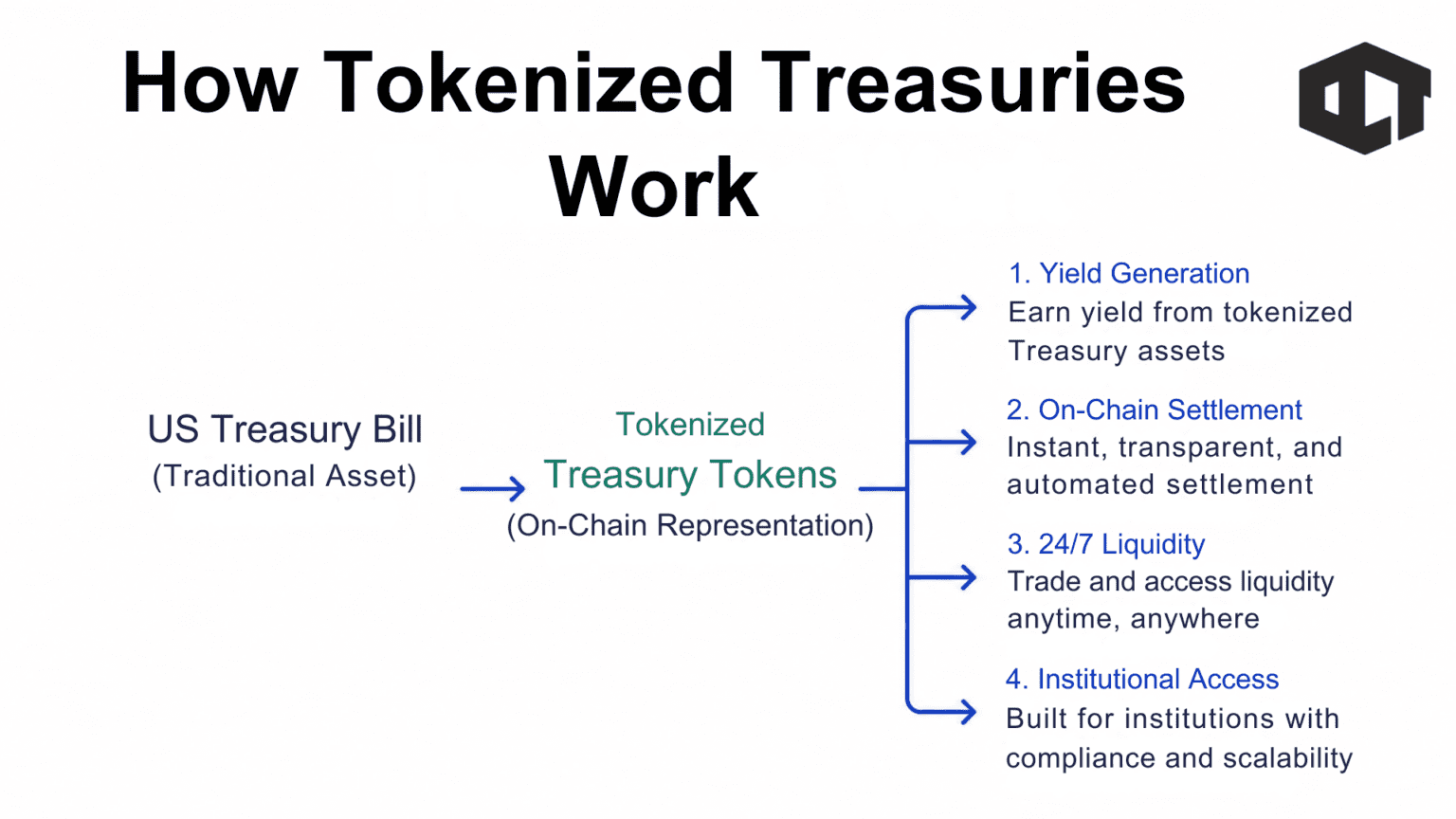
Stablecoins already settle billions in volume every day. Tokenized treasury products are growing rapidly.
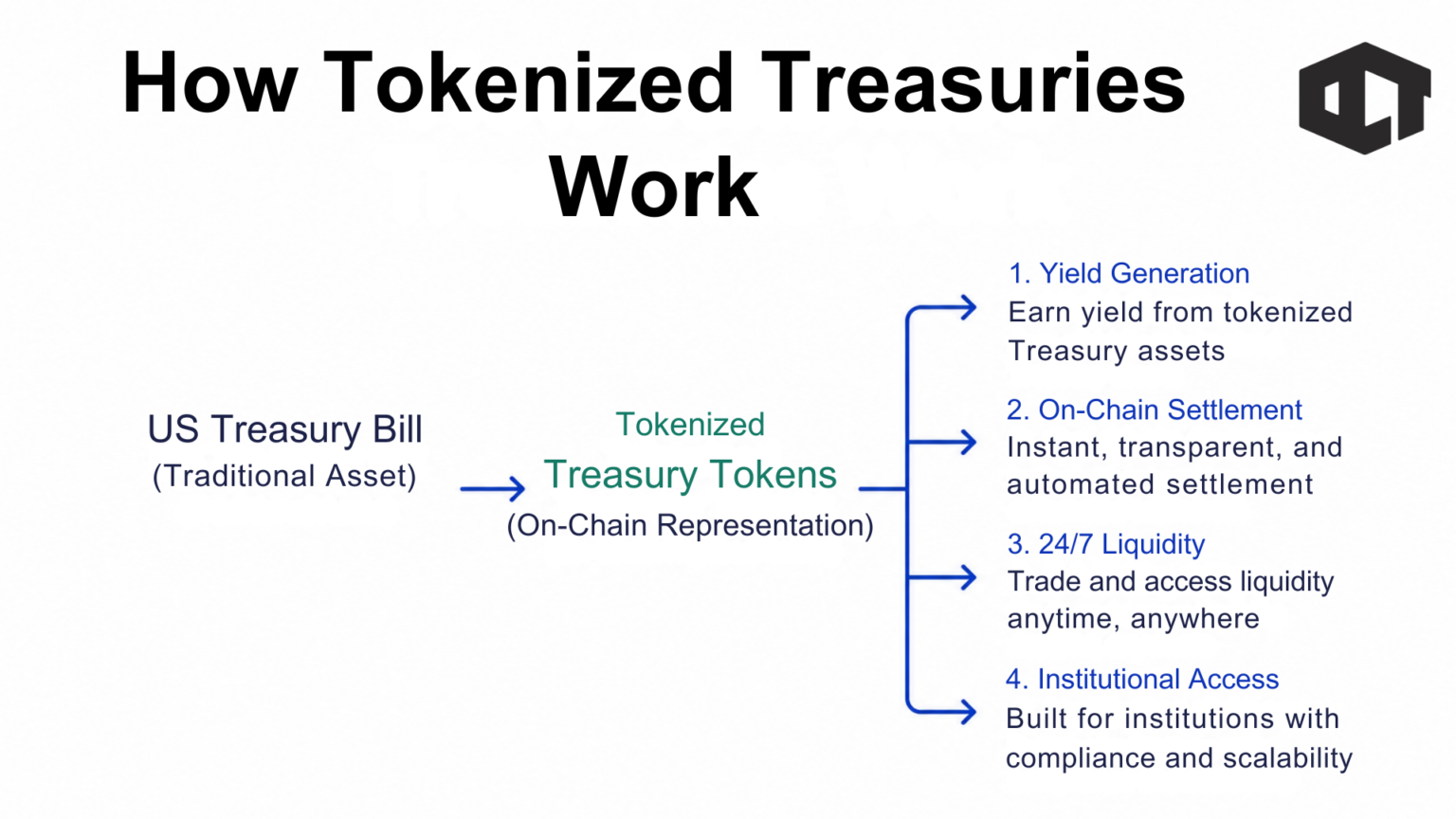
Governments and banks are experimenting with blockchain rails because they reduce settlement time and operational costs. The networks that support these systems could become core infrastructure for global finance.
AI and crypto are colliding fast and AI systems need open payment rails, decentralized compute, verifiable data, and machine-native financial systems.
Crypto provides all of those things. That is why the AI narrative in 2026 looks very different from the speculative AI token wave of earlier cycles.
The market is starting to separate real infrastructure from low-quality hype projects.
Real-world asset tokenization is one of the strongest crypto narratives for 2026. RWAs refer to traditional financial assets brought on-chain.
Examples include:
The biggest reason RWAs matter is yield.
During earlier crypto cycles, users chased unsustainable DeFi yields. Now institutions and investors want stable, regulated returns. Tokenized treasury products solve that problem.
Projects like Ondo Finance and BlackRock’s BUIDL fund are turning blockchain networks into settlement layers for traditional finance.
RWAs solve several major problems:
Institutions also prefer blockchain systems that integrate with existing financial structures rather than replacing them entirely. That gives RWAs a strong long-term adoption case.
Ondo focuses on tokenized treasury exposure and institutional-friendly yield products.
BlackRock’s tokenized liquidity fund became a major signal that traditional finance is taking blockchain settlement seriously.
Centrifuge connects real-world credit markets to DeFi.
Maple focuses on institutional lending infrastructure.
The RWA narrative also creates concerns around centralization.
If crypto becomes too dependent on permissioned assets and regulated issuers, some parts of DeFi could lose the open-access principles that made crypto valuable in the first place.
Still, RWAs remain one of the clearest institutional narratives in the market.
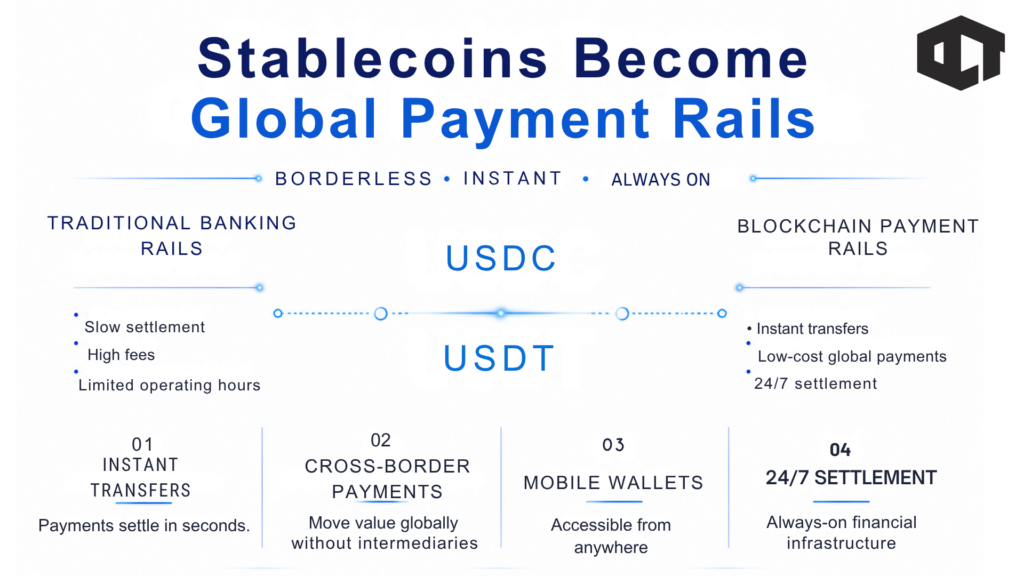
Stablecoins are quietly becoming one of the most important products in crypto. Most retail users still think of stablecoins as trading pairs.
But institutions increasingly view them as global settlement infrastructure. USDT and USDC already process massive transaction volume across exchanges, payment systems, and cross-border transfers.
Now fintech companies, banks, and payment providers are integrating stablecoins directly into their products.
Stablecoins offer:
In countries with inflation or weak banking infrastructure, stablecoins are often more useful than local financial systems. That creates real demand outside crypto trading.
Payment companies are increasingly integrating stablecoin rails for international settlements.
Protocols are competing to offer on-chain yield without forcing users into risky DeFi systems.
Stablecoin regulation will shape the sector heavily. The projects that survive long term will likely be the ones that balance transparency, compliance, and liquidity.
AI was one of the hottest narratives in crypto during previous cycles. But much of that early excitement was speculative. Many projects added “AI” branding without building real infrastructure. By 2026, the market is becoming more selective.
The strongest AI crypto projects are focused on:
AI systems need:
Crypto provides many of these building blocks.
AI agents capable of executing trades, interacting with protocols, and managing on-chain activity are gaining attention.
GPU demand exploded alongside AI growth. Crypto networks are attempting to decentralize compute infrastructure instead of relying entirely on centralized cloud providers.
Verifiable and decentralized data could become increasingly valuable as AI systems scale.
AI remains one of the most overhyped sectors in crypto. A large percentage of AI tokens still lack real usage. The market is starting to reward projects with actual adoption instead of narrative-only speculation.
Bitcoin remains the largest crypto asset in the market. But historically, Bitcoin has not been very useful for DeFi or smart contracts. That is starting to change.
Bitcoin Layer 2s and BTCFi aim to unlock:
This could become one of the biggest narratives of the next cycle because it allows Bitcoin liquidity to enter broader crypto markets.
Bitcoin holds enormous dormant capital.
If even a small percentage of BTC becomes active in DeFi systems, the sector could grow significantly.
Babylon focuses on Bitcoin staking infrastructure.
Stacks enables smart contracts connected to Bitcoin.
Lightning continues to improve Bitcoin payments and scalability.
BitVM introduced new discussions around Bitcoin programmability.
Bitcoin users are traditionally conservative. Many prefer security and simplicity over experimental DeFi systems. That may slow adoption.
Still, BTCFi has become a serious narrative entering 2026.
Scalability remains one of crypto’s biggest long-term challenges.
As blockchain usage grows, networks must process more activity without sacrificing decentralization. That has led to the rise of modular blockchain architecture. Instead of one chain handling everything, modular systems split responsibilities across multiple layers.
Modular infrastructure can improve:
This approach became increasingly popular after Ethereum rollups gained traction.
Celestia focuses on modular data availability.
EigenLayer introduced restaking and shared security models.
Ethereum Layer 2 ecosystems continue expanding rapidly.
Cosmos remains important for interoperability and app-specific chains.
The market is moving toward specialized infrastructure instead of one-chain-fits-all models. That could define how crypto scales over the next decade.
Prediction markets are evolving into one of crypto’s most interesting real-world use cases. Platforms like Polymarket gained massive attention during political events, economic releases, and global news cycles.
The reason is simple:
Prediction markets often react faster than traditional media or polling systems.
These systems aggregate information from thousands of participants. That creates powerful forecasting mechanisms.
Prediction markets may eventually influence:
Regulatory pressure remains a major issue. Some governments view prediction markets as gambling platforms. Others see them as financial products. That uncertainty could shape future adoption.
Privacy is returning as a major crypto narrative. But this cycle looks different from earlier privacy coin trends. Instead of focusing only on anonymous transactions, the industry is shifting toward selective privacy and zero-knowledge systems.
Institutions and enterprises often cannot use fully transparent blockchains.
They need:
Zero-knowledge technology allows networks to verify information without exposing underlying data. That makes privacy infrastructure much more practical for institutional adoption.
Zero-knowledge proofs continue expanding across Ethereum scaling and identity systems.
Confidential execution environments are gaining attention for enterprise applications.
On-chain identity verification without exposing personal information could become a major use case.
Quantum computing remains a long-term threat to blockchain security. Most crypto networks rely on cryptographic systems that could eventually become vulnerable to sufficiently powerful quantum computers. That makes post-quantum security increasingly important.
Quantum computing is still early. But governments, researchers, and institutions are already preparing for future risks. The networks that adapt first could gain strategic advantages.
Researchers are developing cryptographic standards resistant to quantum attacks.
Future wallet infrastructure may require quantum-resistant signing systems.
Major networks may eventually need protocol-level cryptographic upgrades.
Quantum risk is probably not an immediate threat. But crypto markets often price future narratives early. That is why quantum-resistant systems are attracting more attention heading into 2026.
Not every crypto narrative will succeed.
Some sectors already look overcrowded or structurally weak.
Many projects still rely on branding instead of real infrastructure.
The market is becoming less tolerant of vaporware.
The industry has become more cautious about unrealistic DeFi returns.
Protocols without sustainable revenue models face growing skepticism.
The metaverse narrative lost momentum after earlier hype cycles.
Only projects with strong ecosystems or gaming integration are likely to survive.
Memecoins will probably remain part of crypto culture.
But liquidity is becoming more selective.
Most low-quality launches fade quickly.
Different narratives offer different risk profiles.
Here is how many investors currently view the landscape:
RWAs and stablecoins currently have the clearest institutional adoption. AI and Bitcoin Layer 2s offer higher upside but also higher volatility. Privacy infrastructure and quantum security remain longer-term bets.
The crypto market in 2026 looks far more mature than earlier cycles.
Speculation still matters, but the strongest narratives are increasingly tied to real infrastructure, institutional adoption, and sustainable revenue. The biggest winners may not be the loudest tokens on social media.
They will likely be the projects building:
Crypto is gradually shifting from a speculative asset class into a parallel financial and technological infrastructure layer. That transition could define the next decade of the industry.
For investors, the challenge is separating temporary hype from long-term adoption. The narratives that survive 2026 will probably be the ones solving real problems for users, institutions, and global markets.


AI Needs Cheap Inference. Can Orbio Deliver?
Web3 Gaming Comeback 2026: GTA 6 Hype vs 99% Crashes
Layer 2 Projects Shutting Down: Who’s Next After Blast?
Embodied Data Pyramid and Decentralized Data Layer for Robotics
AI Needs Cheap Inference. Can Orbio Deliver?
Web3 Gaming Comeback 2026: GTA 6 Hype vs 99% Crashes
Layer 2 Projects Shutting Down: Who’s Next After Blast?
Embodied Data Pyramid and Decentralized Data Layer for Robotics