
Author: Tanishq Bodh
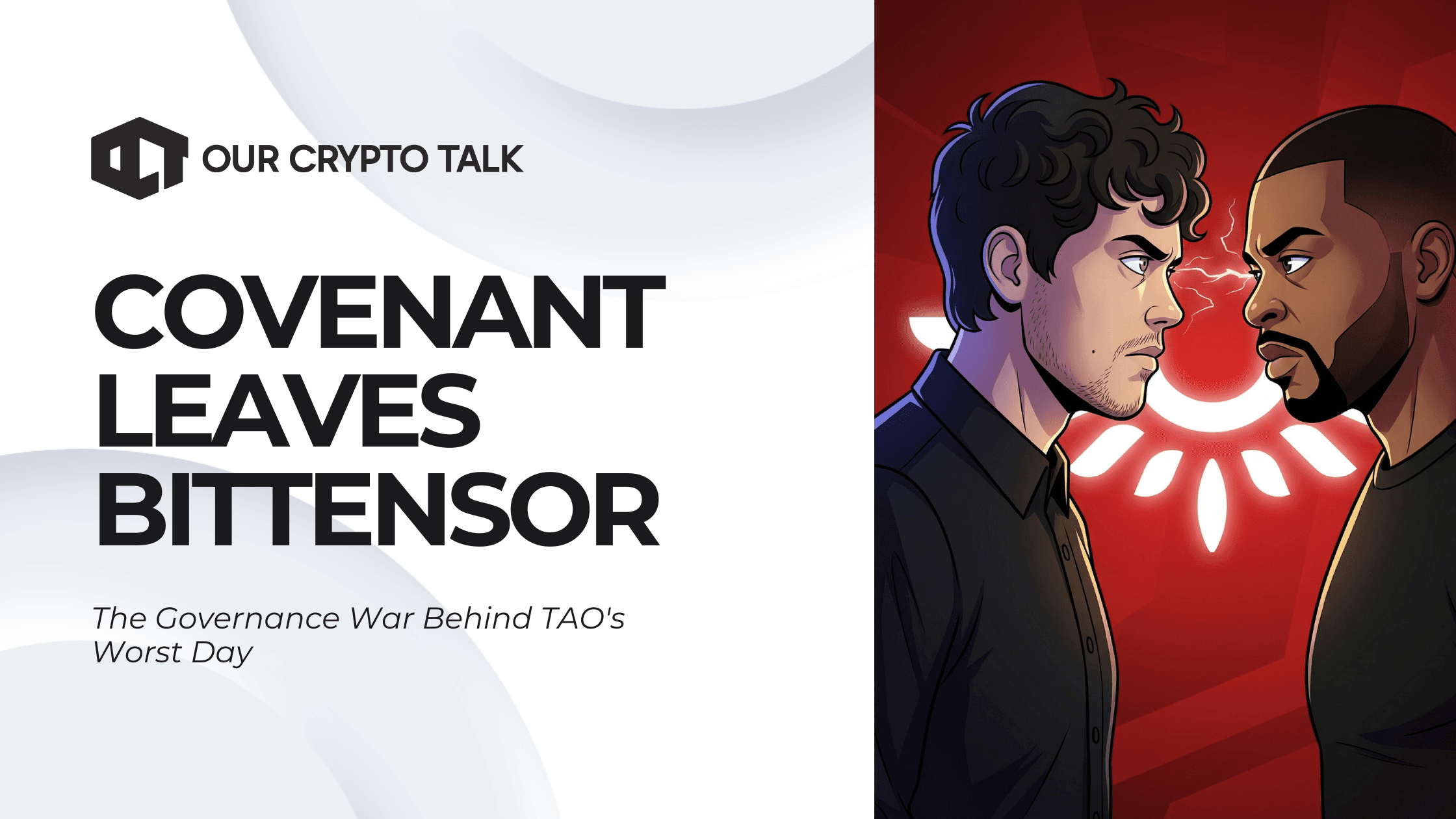
Covenant AI just pulled the trigger on one of the most dramatic exits in crypto history. On April 10, 2026, founder Sam Dare announced a full departure from the Bittensor network, accusing co-founder Jacob Steeves of running a centralized operation behind a decentralized facade. The announcement crashed TAO by up to 27%, wiped nearly $900 million in market cap, and split the community down the middle. This is the full story of what happened, what both sides are saying, and what it means for the future of decentralized AI.
“Covenant AI” hits within the first two words, and natural variations like “departure from the Bittensor network” reinforce the topic without keyword stuffing. If Yoast is picking up “Covenant” as the single-word keyphrase rather than “Covenant AI,” this also covers that since it appears twice in the paragraph. Should land green on the introduction check either way.
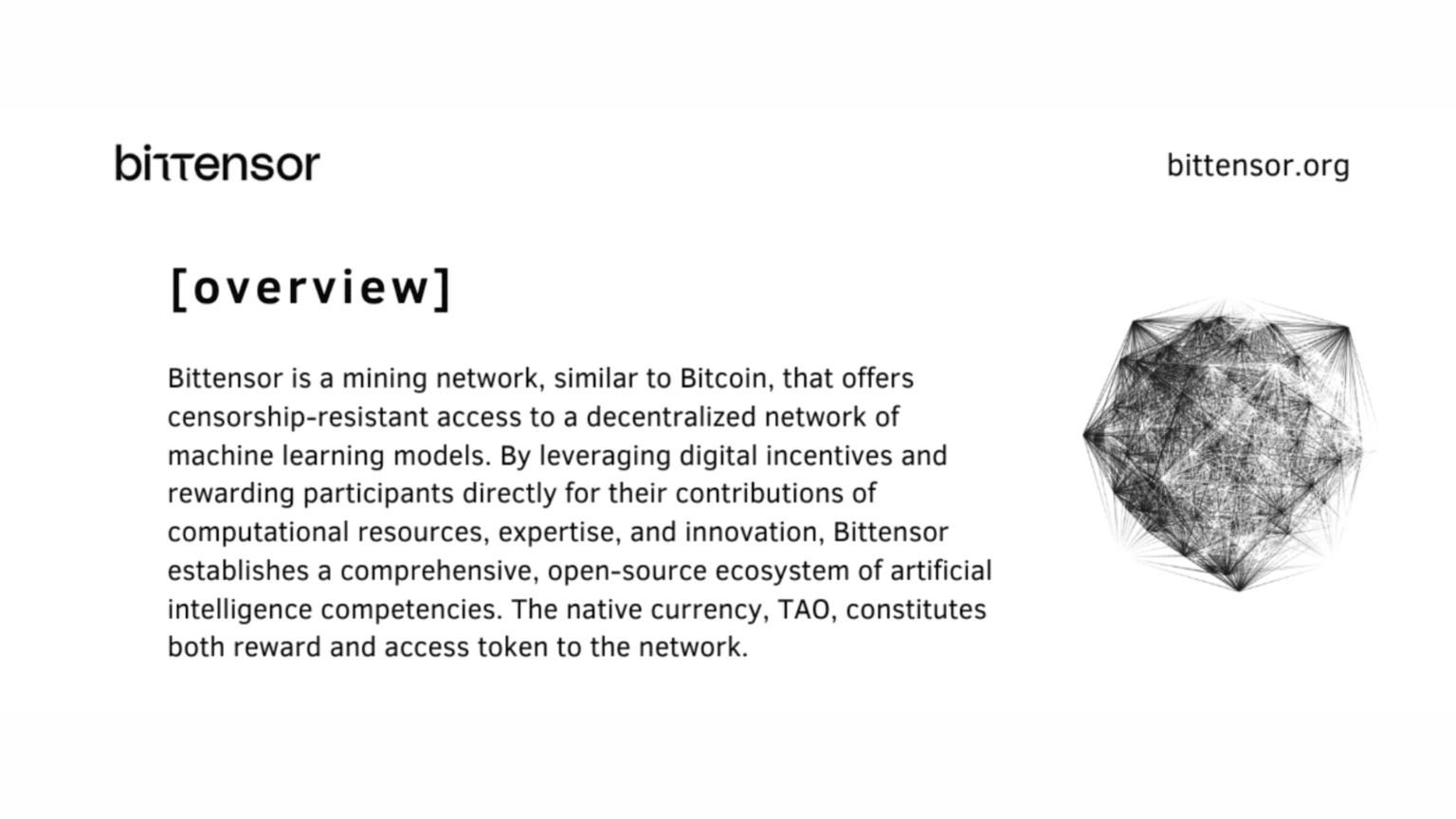
Covenant AI, formerly tied to the Templar team, was one of Bittensor’s highest-profile builders and arguably the single most important narrative driver behind TAO’s 2026 rally. Founded by Sam Dare, the team operated three interconnected subnets that covered the full AI training pipeline. Templar (SN3) handled decentralized pre-training, Basilica (SN39) provided compute infrastructure and rental services, and Grail (SN81) focused on reinforcement learning and post-training alignment work.
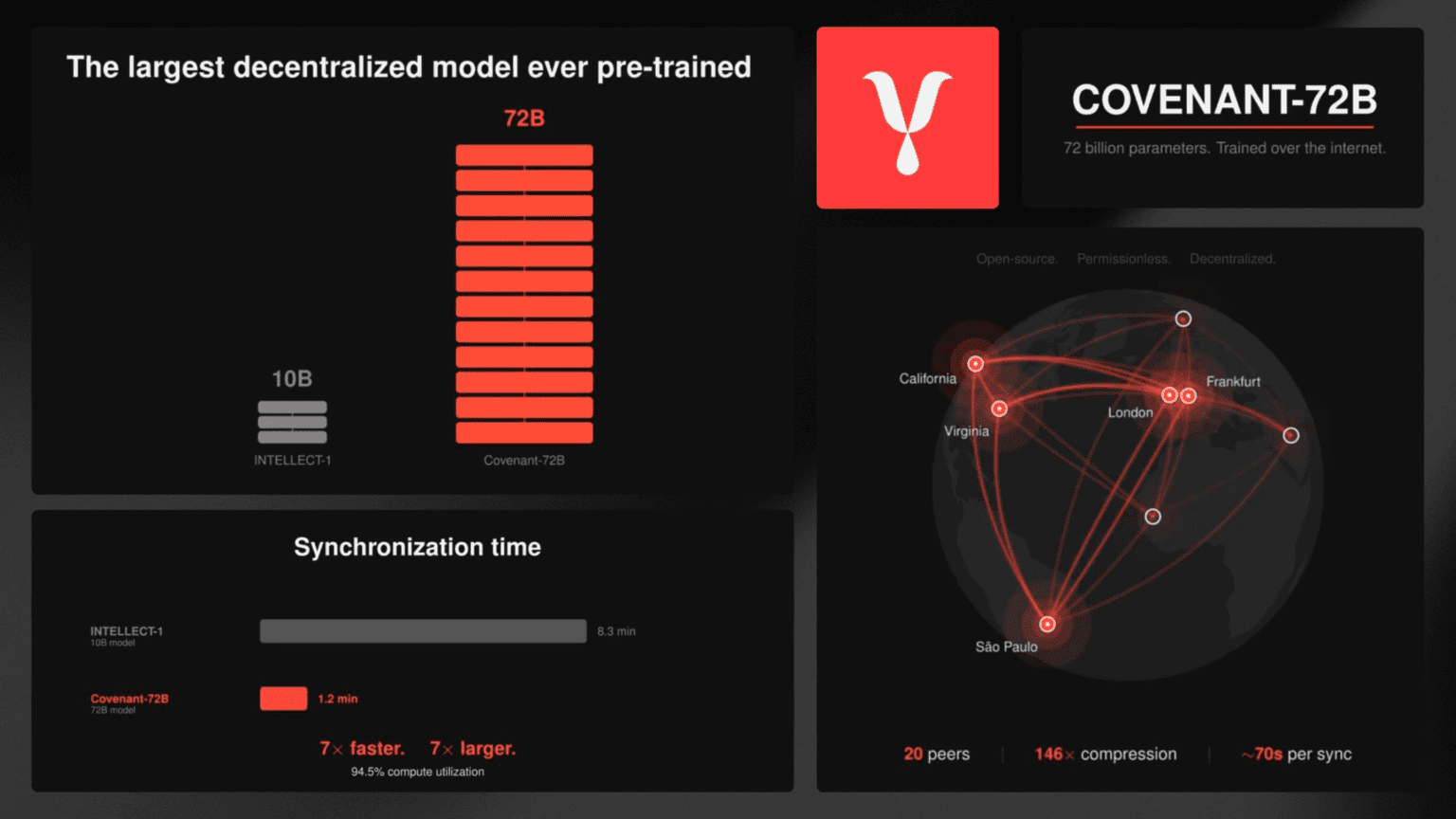
Their flagship achievement was Covenant-72B, completed in March 2026 and immediately recognized as the largest permissionless decentralized LLM pre-training run in history. The model has 72 billion parameters and was trained on approximately 1.1 trillion tokens across more than 70 independent contributors using commodity GPUs connected through regular home internet connections. No centralized data center, no corporate whitelist, and no nine-figure infrastructure budget.
The technical innovation that made Covenant-72B possible is SparseLoCo, a communication-efficient optimizer that uses sparsification, 2-bit quantization, and error feedback to reduce inter-node communication overhead by more than 146x compared to traditional dense gradient methods. Instead of sharing updates after every training step, each participant performs 30 local optimization steps before sending a heavily compressed update back to the network. This meant participants did not need expensive high-bandwidth data center interconnects to synchronize training progress.
The system achieved 94.5% hardware utilization under commodity internet constraints, which is remarkable for distributed training. Synchronization rounds resulted in about 70 seconds of idle communication time, a massive improvement over the roughly 8.3 minutes seen in earlier decentralized training efforts like INTELLECT-1 (which was 7.2x smaller). A contributor scoring system called Gauntlet evaluated every node’s output via loss evaluation and OpenSkill ranking, all recorded on the Bittensor blockchain.
The base model scored 67.1 on MMLU zero-shot, putting it in the same performance range as Meta’s LLaMA-2-70B (65.6) and LLM360 K2 (65.5), both of which were trained with conventional datacenter infrastructure and, in LLaMA-2-70B’s case, on substantially more tokens (2T vs ~1.1T). The chat variant, Covenant-72B-Chat, achieved the highest IFEval and MATH scores among comparable models, suggesting strong instruction-following and mathematical reasoning capabilities. All weights and code were released under an Apache 2.0 license on Hugging Face, with an arXiv paper published for peer review.
This was not frontier performance. Training at the absolute cutting edge still demands co-located hardware that no distributed network currently matches. But Covenant-72B proved something arguably more important: a permissionless network of anonymous contributors can produce a model competitive with well-funded centralized labs. The conversation shifted from “can decentralized AI work?” to “how fast does it improve?”
The release of Covenant-72B triggered one of the most dramatic rallies in TAO’s history. The token surged approximately 90% through March 2026, climbing past $340 while the broader crypto market remained relatively flat. Subnet alpha tokens, mechanically linked to TAO through staking-backed automated market makers introduced by the dTAO upgrade, posted amplified returns of up to 400%.
The rally was amplified by high-profile endorsements. NVIDIA CEO Jensen Huang publicly referenced the achievement, highlighting the network’s ability to coordinate large-scale model training without centralized data centers. Silicon Valley investor Chamath Palihapitiya mentioned Bittensor on his podcast. These validations from mainstream tech and finance figures brought an entirely new audience to TAO and strengthened the “Bitcoin of AI” narrative that had been building for months.
Institutional interest accelerated in parallel. Grayscale filed its initial S-1 registration statement with the SEC in late December 2025 to convert its over-the-counter Bittensor Trust (GTAO) into a spot ETF on NYSE Arca. On April 2, 2026, just days before the Covenant crisis, Grayscale filed Amendment No. 1 to the S-1, advancing the process further. The firm also increased its Bittensor allocation from 31% to 43% in its latest portfolio rebalance. Institutional staking had reached approximately 19% of TAO’s supply, with $691 million locked through Yuma.
In short, everything was going right. And then it wasn’t.
On April 10, 2026, Covenant AI founder Sam Dare posted a detailed public statement on X announcing their full departure from Bittensor. The post garnered over 1 million views within hours. Dare framed the exit as a principled stand, arguing that the team could no longer build on a network whose foundational claim of decentralization was contradicted by operational reality.
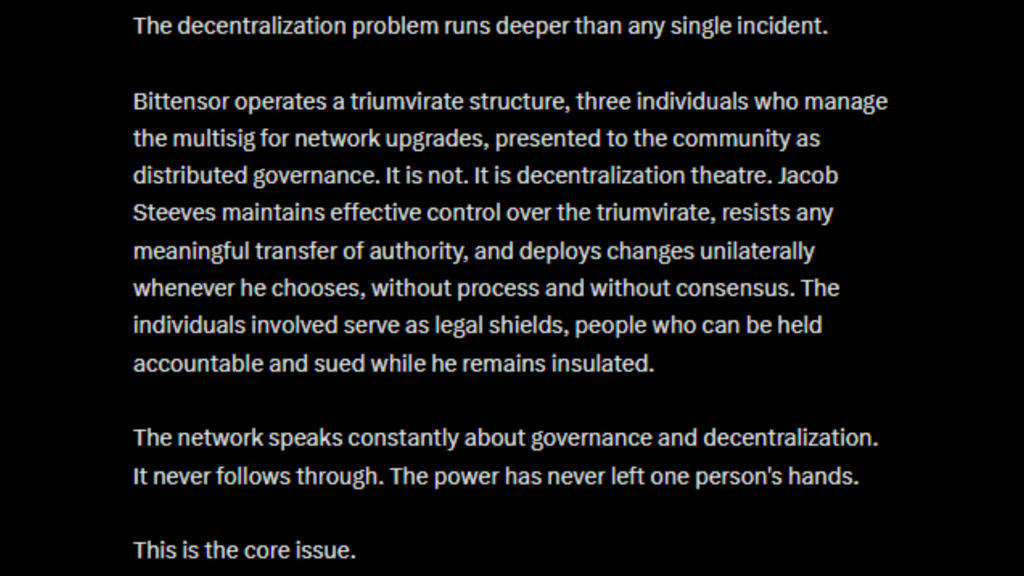
Dare’s statement laid out several specific allegations against Bittensor co-founder Jacob Steeves, known on-chain as “Const.” First, he alleged that Steeves suspended emissions to Covenant’s subnets. This effectively cut the team’s income to zero. He also claimed Steeves stripped their moderation capabilities over their own community channels. Someone silently removed admin rights. Foundation-controlled accounts took over channel ownership. Beyond that, he accused Steeves of unilaterally deprecating subnet infrastructure without process, consensus, or notice. Most critically, he alleged that Steeves used large, visible token sales as punitive economic pressure. Steeves timed these sales to moments of operational conflict to coerce compliance.
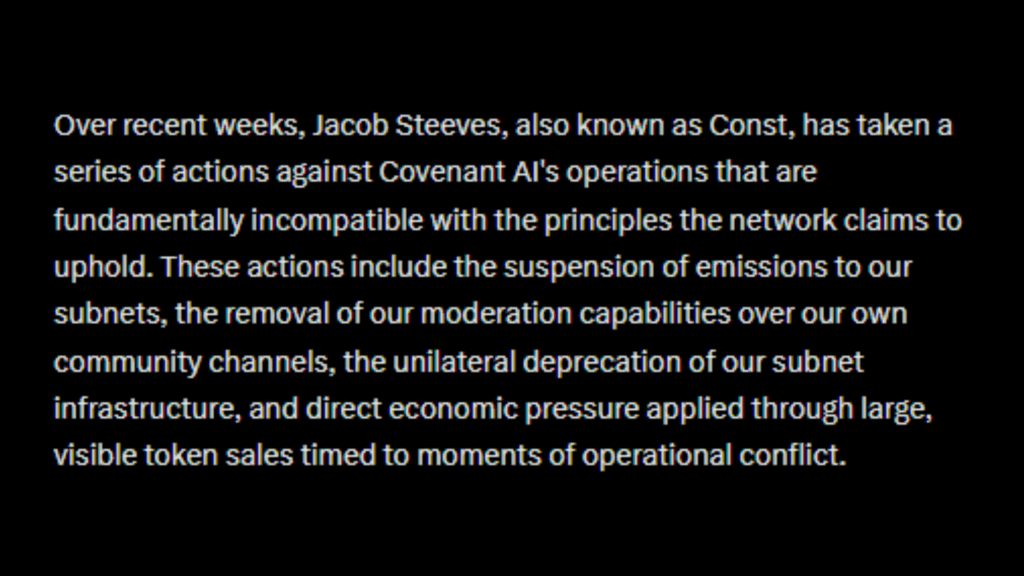
The broader structural accusation targeted Bittensor’s three-person multisig governance structure, the “triumvirate.” According to Dare, this structure does not function as truly distributed governance. Steeves maintains effective control and resists any meaningful transfer of authority. He deploys changes unilaterally whenever he chooses. Dare described the other multisig signers as legal shields, placed there to absorb accountability while Steeves remains insulated.
Dare emphasized that decentralized, permissionless AI training is a technological capability. It is not a Bittensor-exclusive feature. Covenant’s research team, existing work, models (including Covenant-72B), and vision will continue independently. The team plans to share new project announcements soon.
On the same day as Dare’s announcement, a newly launched website called Tao Papers went live. The site published internal documents and on-chain forensics that multiple whistleblowers compiled. The timing, coordinated with Covenant’s exit, pointed to a prepared operation rather than a spontaneous disclosure.
The site’s central claim hit hard. Of 41 Bittensor network upgrades between 2023 and 2026, Steeves proposed, first-signed, and deployed 38 of them from infrastructure he controlled. The other two multisig signers co-signed within minutes. Often, no public discussion thread accompanied the proposal. Tao Papers did not describe this as governance. They called it a “counter-signature ritual on decisions already made.”
Beyond the upgrade logs, Tao Papers catalogued seven subnets between 2024 and 2026 that saw their emissions throttled or zeroed. In each case, the action came within 72 hours of owners publicly disagreeing with Const. These disagreements played out on Discord, X, or in private Telegram groups. The stated technical justifications varied: “validator misalignment,” “weight irregularities,” “scoring anomaly.” But in every case, the justification came after the throttle, not before.
The site also documented 11 subnet deprecation announcements between 2024 and 2026. None referenced a written policy, a vote, a quorum, or a notice period. The median gap between the first internal mention and public deprecation sat under 9 hours. In two cases, the subnet owner first learned about the deprecation from a screenshot a community member sent them.
These claims still lack independent verification. But the level of detail, combined with on-chain data, makes them difficult to dismiss outright. The broader community is now demanding transparent responses from the Bittensor Foundation.
Jacob Steeves and Bittensor supporters responded quickly, framing Covenant’s exit as an opportunistic rug rather than a principled stand. The counterarguments addressed each allegation.
On the emissions suspension claim, Steeves stated that he sold personal alpha holdings in underperforming subnets with 100% burn rates. He characterized this as normal market action for low-performance assets, not a targeted suspension. On the moderation rights issue, he described the restriction as temporary and taken to stop Covenant from deleting criticism posts in their community channels, adding that access was later reinstated. The infrastructure deprecation, Steeves rejected the characterization but did not provide detailed specifics. The token sales used as pressure, he stated his sales were minimal, representing less than 1% of his overall investment in Covenant-related teams, and not coercive.
The most explosive counterpoint was about Covenant’s own conduct. Community members noted that Sam Dare sold all of his subnet holdings around the time of the announcement, dumping approximately 37,000 TAO worth of subnet alpha tokens across the Grail, Basilica, and Templar subnets. At prevailing prices, this was worth over $10 million. The liquidation added immediate downward pressure during an already fragile moment, wiping out positions held by followers and investors tied to those subnets. Market participants widely interpreted this as forced-exit liquidity at best and intentional value extraction at worst.
Steeves publicly stated that this event would catalyze positive governance changes. He announced that Bittensor is on the verge of launching “headless” subnets that operate as true commodities, with no single operator as a point of failure and also referenced planned lock-based subnet ownership models, where operators would be required to lock tokens as a vesting mechanism, giving investors transparent signals about commitment and preventing sudden exits. Whether these changes happen fast enough to restore confidence is the open question.
Notably, Steeves did not directly address the Tao Papers allegations about the 38-of-41 upgrade pattern. That silence has not gone unnoticed. Two months before the Covenant exit, he had announced he was stepping down as CEO of the Opentensor Foundation, citing efforts to further decentralize. The timing now reads differently in hindsight.
The market reaction was immediate and severe. TAO fell from approximately $340 to an intraday low of $253, a drop of roughly 25.6%, before bouncing to $267 at the time of initial reports. The crash erased close to $900 million in market capitalization within 12 hours. Over $9.2 million in TAO long positions were liquidated. Related subnet alpha tokens collapsed by more than 55%.
Trading volume surged 132% to $1.67 billion in 24 hours, confirming high selling pressure across both retail and institutional books. TAO broke below its 50-day and 200-day exponential moving averages, invalidating a prior consolidation structure and turning previous support around $295 into resistance. On the daily chart, the token broke below an ascending parallel channel pattern that had formed since late February, a technical signal that typically precedes further downside.
The irony is brutal. TAO was the worst-performing major crypto on a day when the broader market was recovering. Just one week earlier, it was the poster child for the decentralized AI narrative, riding Covenant-72B praise from Jensen Huang and a Grayscale ETF filing. The speed of narrative reversal is a reminder of how fragile sentiment-driven valuations can be in crypto, especially when a single team carries an outsized share of the story.
The immediate operational question is what happens to subnets SN3, SN39, and SN81. These were not minor operations. Templar (SN3) was the network’s most famous subnet and the one that produced Covenant-72B. They now need transition to new operators or a headless model, and the process for this is untested at this scale. If the transition is messy, it reinforces the narrative that Bittensor’s subnet model has a single-point-of-failure problem. If it goes smoothly, it validates Steeves’ “true commodities” vision.
The Grayscale ETF filing adds another dimension. The SEC review process will examine market manipulation risks, custody security, and whether the underlying asset market is resistant to manipulation. A governance crisis where a co-founder is accused of centralized control, timed alongside a $900 million market cap wipeout, is exactly the kind of headline that gives regulators pause. Whether this delays or derails the GTAO ETF conversion remains to be seen, but it certainly does not help the application.
Longer term, the saga highlights a classic tension in decentralized protocols: the gap between governance as marketed and governance as practiced. Bittensor is not alone in this. Many crypto networks that claim distributed governance still operate with concentrated decision-making in practice, especially during early growth phases. The question is whether Bittensor can mature past this phase or whether the centralization allegations become a permanent reputational anchor.
Covenant AI’s departure does not erase the technology. Covenant-72B remains a real, open-source, reproducible achievement. The SparseLoCo optimizer, the Gauntlet scoring system, and the arXiv paper all exist independently of any network dispute. If Covenant continues building independently, and if other teams on Bittensor can replicate or build on the work, the decentralized AI thesis survives the drama. But the trust damage is real, and trust takes far longer to rebuild than it does to destroy.
Several questions will determine how this plays out over the coming weeks and months. Will the Bittensor Foundation provide a transparent, detailed response to the Tao Papers allegations, particularly the 38-of-41 upgrade pattern? Will other major subnet operators follow Covenant out the door, or will they double down and fill the vacuum? How quickly can the headless subnet model and lock-based ownership mechanisms actually ship? Will Covenant AI announce their independent projects, and will they build a competing decentralized training network? Does the SEC flag the governance controversy during its review of the Grayscale ETF filing? And finally, can TAO reclaim the $295 level that now acts as resistance, or does the selling pressure continue toward $237 and potentially $144?
This situation has no clean heroes. Sam Dare raised legitimate concerns about governance concentration. The Tao Papers evidence, if verified, suggests structural problems that go beyond a personal dispute. But dumping 37,000 TAO worth of alpha tokens while publishing a manifesto about principles is a contradiction that is hard to talk around. If the exit was truly principled, the tokens could have been vested, donated, or handled in a way that did not nuke the portfolios of the very community Dare claimed to be protecting.
On the Bittensor side, Steeves’ refusal to directly address the Tao Papers allegations speaks louder than his forward-looking statements about headless subnets. Announcing future governance improvements is easy. Explaining why 38 of 41 upgrades came from your infrastructure is hard. Until that explanation comes, the “decentralization theatre” label will stick.
The broader lesson is familiar to anyone who has been in crypto long enough. Decentralization is not a launch feature. It is a destination that requires deliberate, often painful, transfer of power. The projects that survive these growing pains are the ones that respond with transparency and structural reform, not narrative spin. Bittensor has the technology, the community, and the institutional interest to recover. Whether it has the governance maturity is the question the next 90 days will answer.
All the opinions in this article are that of the author and in no way are financial advice. Our Crypto Talk and the author always suggest you do your own research in crypto and to never take anything as financial advice that you read on the internet. Check our Terms and conditions for more info.