SecondFi exploit exposed wallet keys, enabling theft of 16M ADA from 374 addresses via vulnerable web wallet software. Cardano unaffected.

Author: Akshat Thakur
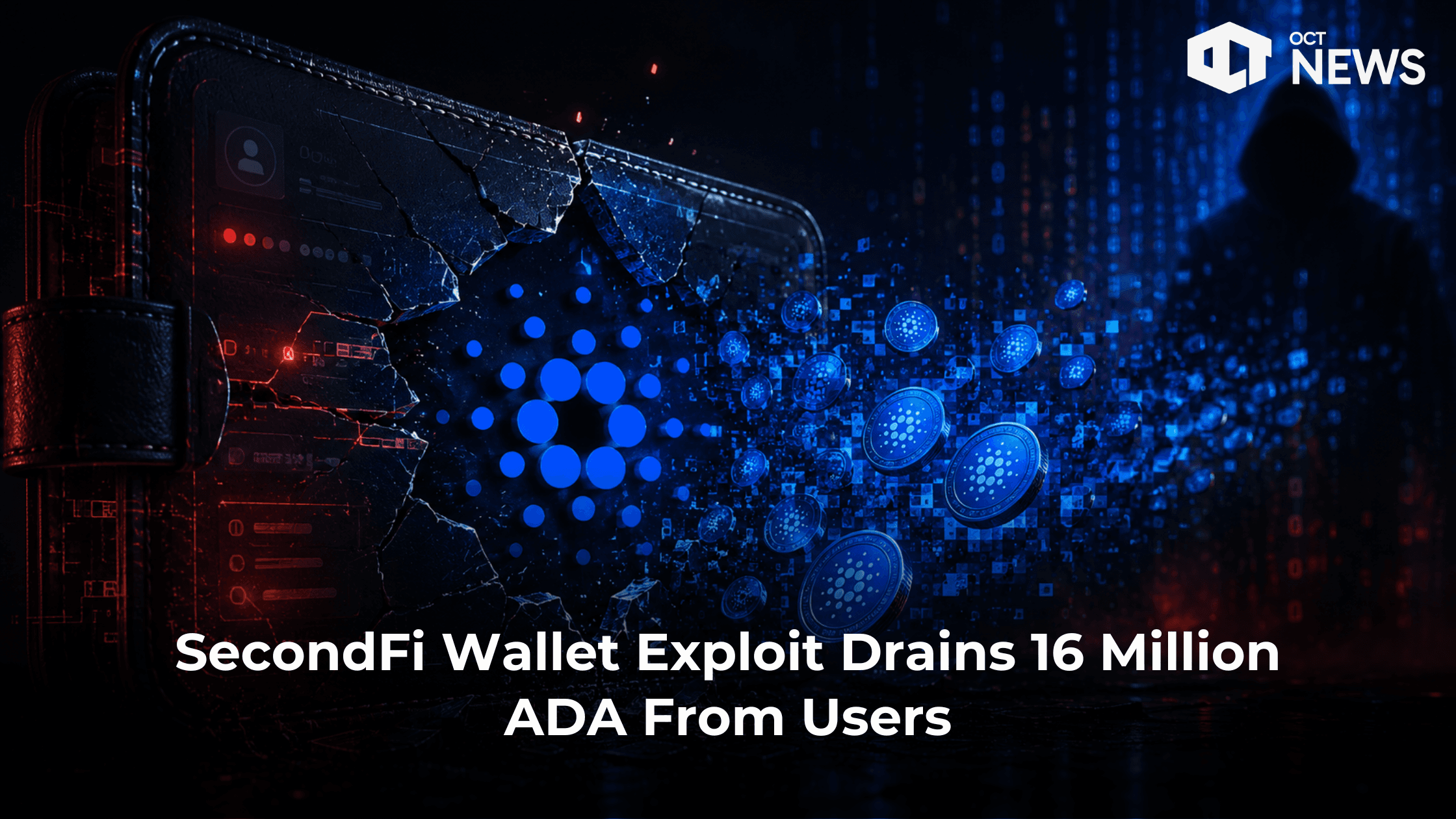
June 24, 2026- The SecondFi Wallet Exploit has resulted in the theft of approximately 16 million ADA after a critical vulnerability in the platform’s web wallet generation software exposed users’ private keys and recovery phrases.
High Signal Summary For A Quick Glance

FrosTeD
@Lil43487735

@crypto_banter Its already stated white hacker job. Old news....
🚨CARDANO USERS HIT BY FRESH WALLET DRAIN!!! A critical flaw in SecondFi, the rebranded Yoroi wallet, exposed private keys during web wallet creation, letting attackers empty roughly 178 self-custody wallets. Around 16 million $ADA (~$2.4 million) plus tokens and NFTs were https://t.co/oRiJ65sqYj
10:44 AM·Jun 24, 2026

Zangart90
@zangart90
@crypto_banter Imagine trusting a wallet and getting rugged by its own devs
🚨CARDANO USERS HIT BY FRESH WALLET DRAIN!!! A critical flaw in SecondFi, the rebranded Yoroi wallet, exposed private keys during web wallet creation, letting attackers empty roughly 178 self-custody wallets. Around 16 million $ADA (~$2.4 million) plus tokens and NFTs were https://t.co/oRiJ65sqYj
07:16 AM·Jun 24, 2026

KanaKemo
@KanaKemo
@coinbureau Meanwhile charles hoskinson... https://t.co/ePCMncjUf7
So the Cardano blockchain just got hacked for over 100 million $ADA, What does Charles Hoskinson do? Chasing rabbits in the forest while high on drugs https://t.co/gdnFuP8rZt
06:16 AM·Jun 24, 2026
High attention and emotional sentiment detected.
SecondFi confirmed that the security incident originated from its native Cardano web wallet generation software rather than from the underlying Cardano blockchain.
In an official update, the company stated that it had isolated the root cause and determined that the vulnerability was confined to wallet creation software used by its web application. The platform later revealed that four separate draining events had occurred, with three external threat actors successfully stealing approximately 16 million ADA from 374 affected addresses.
The exploit also resulted in the theft of additional tokens and NFTs stored within compromised wallets. The incident affected hundreds of self-custody wallets, prompting SecondFi to enter maintenance mode as its team deployed emergency measures to secure the remaining user assets.
SecondFi warned users not to restore affected recovery phrases into other wallets, noting that the risk exists at the address level and may be triggered when users sign transactions.
The platform previously operated as Yoroi, one of Cardano’s most widely used light wallets developed by EMURGO.
In April 2026, EMURGO announced that Yoroi would evolve into SecondFi, expanding beyond traditional wallet functionality into a broader self-custody financial platform offering trading, spending, saving, and earning capabilities.
Until this incident, Yoroi had largely avoided major platform-wide security breaches. Historically, phishing attacks, malware, and compromised user devices caused most wallet losses in the ecosystem rather than systemic vulnerabilities.
The latest incident marks one of the most significant security failures affecting a major Cardano wallet provider.
The SecondFi Wallet Exploit differs significantly from typical crypto theft schemes.
Most wallet compromises occur when users approve malicious transactions or reveal recovery phrases to attackers. In this case, attackers reportedly obtained access to private keys during the wallet creation process itself.
According to SecondFi, the flaw existed within the software responsible for generating native Cardano web wallets.
Although the team has not yet published a detailed technical post-mortem, the vulnerability appears to have exposed wallet mnemonics or private keys during creation, allowing attackers to later access funds without requiring any interaction from victims.
Once attackers possessed the keys, they could independently sign and broadcast transactions directly on the blockchain.
Because the compromise occurred at wallet generation, simply importing an affected recovery phrase into another wallet does not eliminate the risk.
To prevent additional losses during the active exploit, SecondFi initiated emergency response procedures.
The company entered maintenance mode, took a snapshot of wallet balances, and triggered rescue measures designed to secure user funds before attackers could drain them.
According to the team’s latest update, they transferred approximately 129 million ADA and other digital assets to an independent third-party custodian for safekeeping on behalf of affected users.
SecondFi stated that an external accounting firm is auditing these secured holdings and that the company has established a formal claims process for impacted users.
The rescue operation has generated significant debate within the community because some users questioned how a self-custody platform was able to move customer assets during an emergency.
SecondFi maintains that the transfers were necessary to prevent further losses while the exploit remained active.
Timeline of the SecondFi Wallet Security Incident
SecondFi publishes its first public security notice, confirming that the incident originated from its web wallet generation software. The team states that on-chain analysis is underway to determine the scope and impact of the compromise.
Throughout the overnight period, attackers continue draining affected wallets. Multiple theft events occur as compromised addresses interact with the ecosystem.
SecondFi clarifies that the vulnerability exists at the individual wallet-address level and is triggered when affected users sign transactions. The team explicitly warns users not to restore their recovery phrases into alternative wallets, as doing so could further expose funds.
A widely shared alert from Crypto Banter brings broader attention to the incident, reporting that approximately 178 wallets may have been impacted and estimating losses of roughly 16 million ADA in addition to various native tokens and NFTs.
SecondFi publishes a comprehensive update confirming four distinct draining events involving external attackers. The report states that approximately 16 million ADA was stolen, while emergency measures successfully secured roughly 129 million ADA in a custodial environment. The team also confirms that a software patch has been deployed and outlines a claims process for affected users.
SecondFi continues incident response efforts, including claims processing, user assistance, forensic analysis, and additional security reviews aimed at preventing similar incidents in the future.
The SecondFi Wallet Exploit highlights one of the most severe risks facing self-custody users: compromised key generation.
Even when users follow best security practices and avoid phishing scams, vulnerabilities in wallet software can undermine the entire security model by exposing private keys during creation.
Importantly, SecondFi emphasized that the vulnerability affects only its wallet software and does not represent a weakness in the Cardano blockchain itself.
Nevertheless, the incident has damaged confidence in software wallets across the ecosystem and renewed calls for broader adoption of hardware wallets for large holdings.
Hardware wallets generate and store keys offline, significantly reducing exposure to browser-based or web wallet vulnerabilities.
Reaction across the Cardano community has been intense.
Many users expressed frustration over the recent rebranding from Yoroi to SecondFi, with some questioning whether changes introduced during the transition contributed to the vulnerability.
Others praised the team’s rapid emergency response, particularly the effort to secure approximately 129 million ADA before additional thefts could occur.
Security researchers also weighed in. SlowMist founder Yu Xian suggested total losses linked to the incident could potentially exceed $20 million when considering all affected assets.
Meanwhile, Cardano users have increasingly recommended migrating large holdings to hardware wallets or alternative software solutions while awaiting further details.
SecondFi says it has already deployed a patch for unaffected wallets and continues conducting on-chain analysis alongside ecosystem partners.
econdFi encourages affected users to follow only official communication channels and submit claims through the designated recovery process once details become available.
The broader Cardano ecosystem, including Cardano Foundation and Input Output Global, will likely continue supporting investigation and remediation efforts.
For now, the incident serves as a stark reminder that self-custody security extends beyond user behavior and depends heavily on the integrity of wallet software itself.
Our Crypto Talk is committed to unbiased, transparent, and true reporting to the best of our knowledge. This news article aims to provide accurate information in a timely manner. However, we advise the readers to verify facts independently and consult a professional before making any decisions based on the content since our sources could be wrong too. Check our Terms and conditions for more info.



Cardano