Gemini expands its Ripple credit line to $250M as Ripple ties RLUSD holdings and usage mandates to financing in a stablecoin adoption push.

Author: Kritika Gupta
Steady attention without excessive speculation.
6th April 2026- In a fresh SEC filing, Gemini has disclosed an amended Ripple credit line agreement with Ripple Labs that temporarily expands its borrowing capacity to $250 million through mid-2026. More importantly, the updated facility now includes binding contractual obligations that require Gemini, or its affiliates, to pledge and actively maintain significant holdings of Ripple’s RLUSD stablecoin on the XRP Ledger. If Gemini fails to meet these conditions, it could face financial penalties and, in certain cases, an immediate event of default.
High Signal Summary For A Quick Glance

JOHN WICK
@JUSTINCHRIS26

Something big just slipped through an SEC filing and almost no one is talking about it. Gemini didn’t just secure funding from Ripple they accepted terms that tie their activity directly to $RLUSD. $250M on the table. Usage isn’t optional it’s enforced. This is how you seed a https://t.co/MusYjQCifN
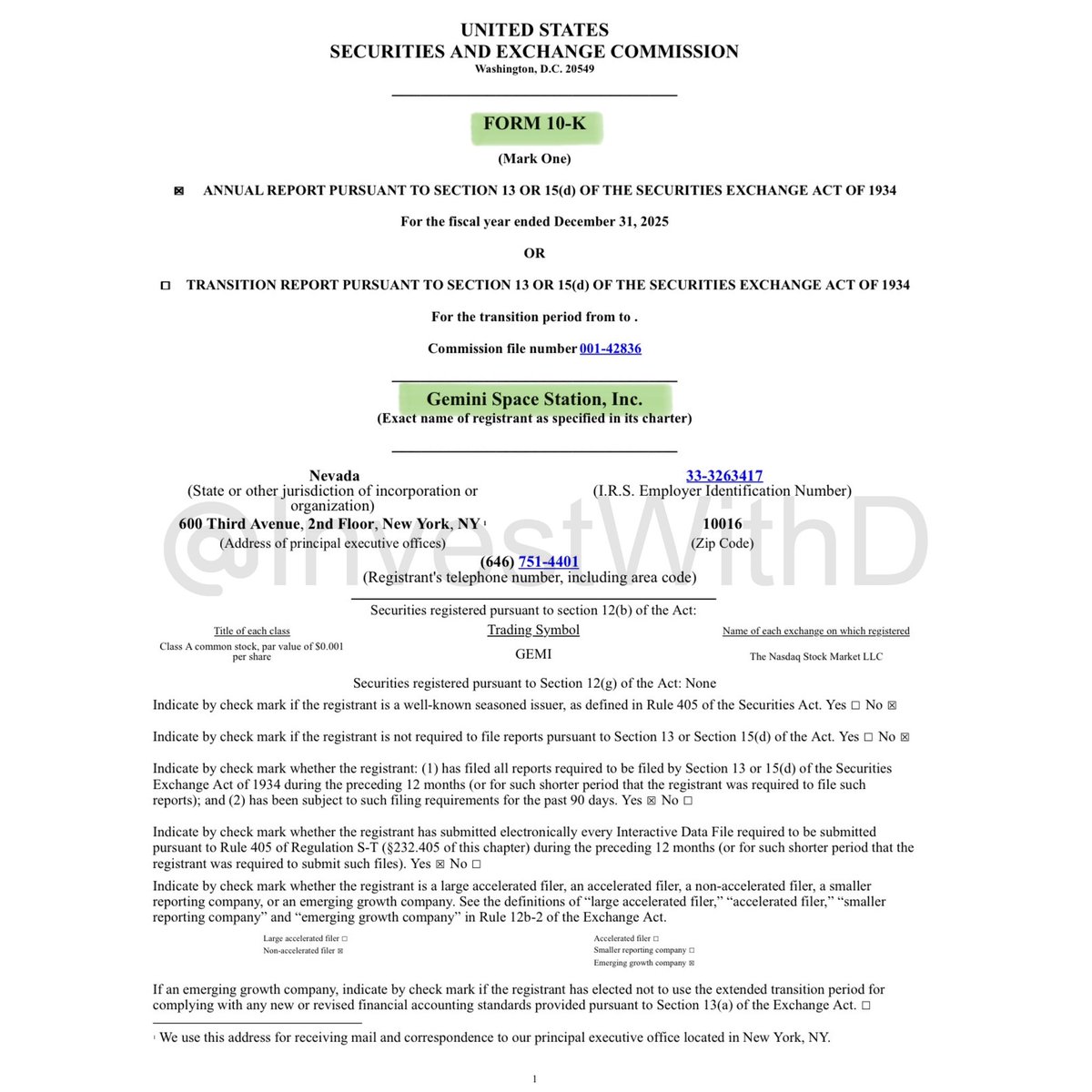
04:11 PM·Apr 4, 2026

Diana
@InvestWithD
🚨BREAKING: Gemini SEC Filing CONFIRMS $250 MILLION Ripple Credit Line — RLUSD Now REQUIRED IN THE DEAL 🤯🔥 A newly filed @SECGov 10-K by @Gemini REVEALS a MASSIVE financial link with @Ripple — including a credit facility tied directly to $RLUSD usage. 😳 The filing shows https://t.co/pN6yOy1lIU
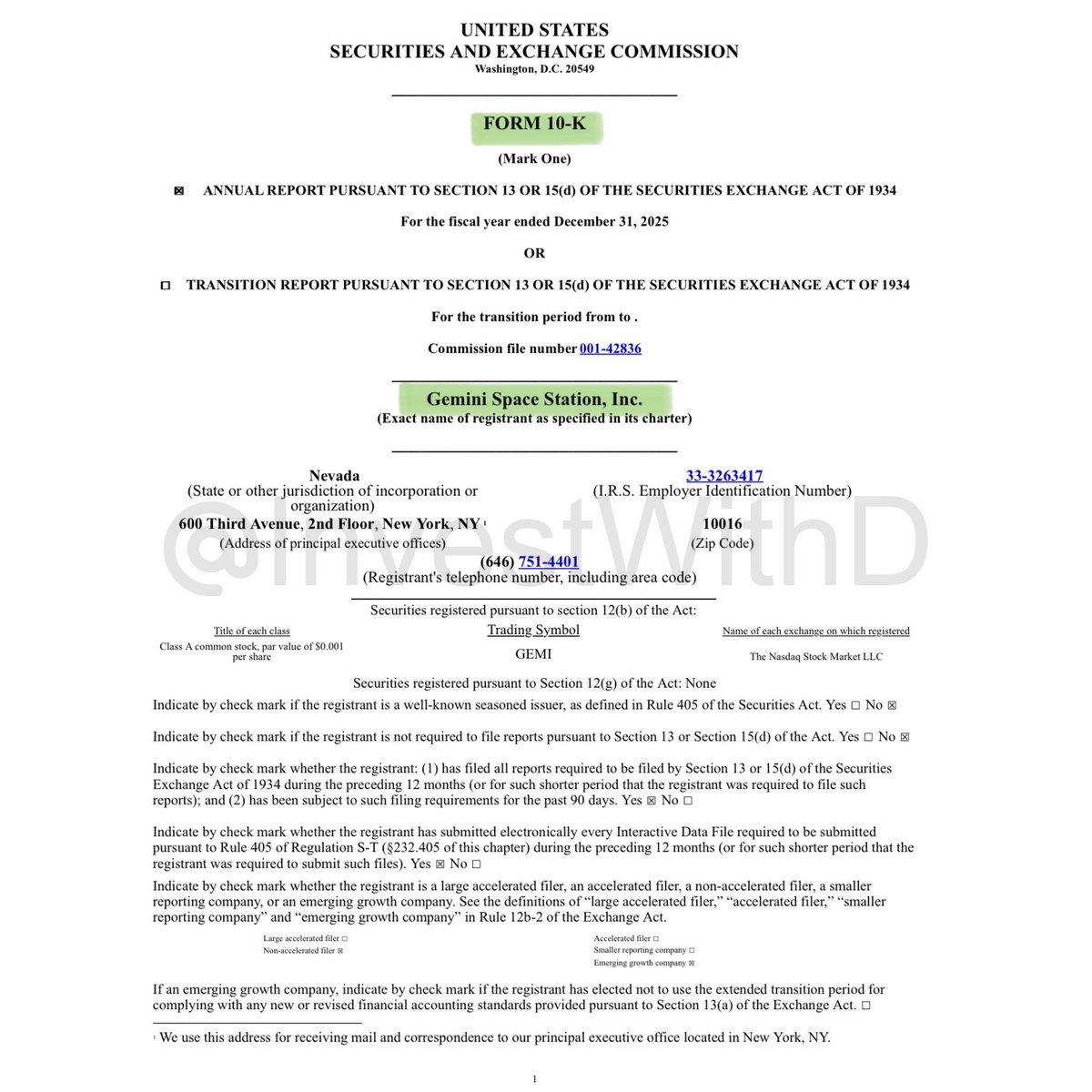
12:10 PM·Apr 4, 2026
The expanded facility comes as Gemini continues to scale its co-branded credit card program, which it launched in partnership with Ripple and WebBank in August 2025. Since launch, the card program has reportedly driven strong user growth and a rising balance of receivables. Gemini has needed additional liquidity to continue funding card operations.
Originally, Ripple and Gemini entered into a $75 million warehouse credit facility in July 2025. Later, the parties executed a first amendment in August 2025. Now, the second amendment, signed on December 26, 2025, temporarily lifts the total commitment to $250 million until July 1, 2026.
Gemini first disclosed the original $75 million credit line in its August 2025 S-1 filing. At that stage, the facility allowed drawdowns starting at $5 million, with the potential to expand to $150 million if certain conditions were met. Furthermore, once borrowing crossed the original threshold, Gemini could already request funds in RLUSD.
Therefore, the current amendment does not introduce RLUSD into the agreement for the first time. Instead, it transforms RLUSD from an optional settlement mechanism into a formal covenant requirement.
When the original arrangement became public, market reaction remained relatively muted. While analysts viewed the partnership as strategic validation for Ripple’s stablecoin ambitions, broader market weakness limited the immediate impact on XRP price action.
The most important change in the amended Ripple credit line is the temporary increase in borrowing capacity to $250 million.
Alongside this increase, the interest rate rises from 6.5 percent to 7 percent during the temporary period. If Gemini fails to reduce balances below $150 million after July 1, 2026, the rate increases further to 10 percent. However, the real significance lies in the RLUSD-specific covenants.
First, by January 31, 2026, Gemini must pledge unencumbered RLUSD equal to a specified percentage of the outstanding loan amount. This collateral must be held with a NYDFS-regulated qualified custodian under a formal control agreement.
Crucially, the filing explicitly states that failure to meet this requirement constitutes an immediate event of default. Second, beginning April 6, 2026, Gemini must maintain a minimum average level of RLUSD activity and holdings on the XRP Ledger each calendar month.
For Gemini, the agreement materially strengthens short-term liquidity. Specifically, the expanded facility gives the exchange greater flexibility to continue scaling its credit card receivables business without relying as heavily on external third-party lenders. This becomes especially relevant as consumer crypto-finance products continue to grow and require consistent access to capital.
For Ripple, the implications are arguably even bigger. Rather than simply promoting RLUSD as another stablecoin option, Ripple has now embedded it directly into institutional financing infrastructure.
That distinction matters.
It gives Ripple a powerful mechanism to drive real balance-sheet demand for RLUSD while also increasing on-chain activity on the XRP Ledger. This structure could strengthen RLUSD’s competitive positioning against dominant stablecoins such as USD Coin and Tether. This requirement took effect on April 1 and is now active as of publication.
Our Crypto Talk is committed to unbiased, transparent, and true reporting to the best of our knowledge. This news article aims to provide accurate information in a timely manner. However, we advise the readers to verify facts independently and consult a professional before making any decisions based on the content since our sources could be wrong too. Check our Terms and conditions for more info.



XRP