Bitcoin DOG Mode proposes looser relay rules, larger standard transactions and a 1-sat dust limit without changing Bitcoin consensus.

Author: Kritika Gupta
High attention and emotional sentiment detected.
17th July 2026- Ordinals figure Leonidas has announced Bitcoin DOG Mode, a new open-source client built to loosen two Bitcoin relay rules.
High Signal Summary For A Quick Glance

Gold Sack
@guldpose

@LeonidasNFT This will fail. It's like thinking the FED would make the back of a dollar bill blank so that those who write graffiti on bills have a clean space for it without obstructing the signage. This idea of yours is not in every bitcoiner's interest and is another attack on bitcoin.
I am very excited to announce the launch of a new open source Bitcoin client called Bitcoin $DOG Mode. Bitcoin Core and Bitcoin Knots have spent years enforcing rules that Bitcoin itself does not have. A transaction can be fully valid under consensus and still be blocked from https://t.co/WCJ9roEkeo
09:45 AM·Jul 17, 2026

A21
@A210xd2c7
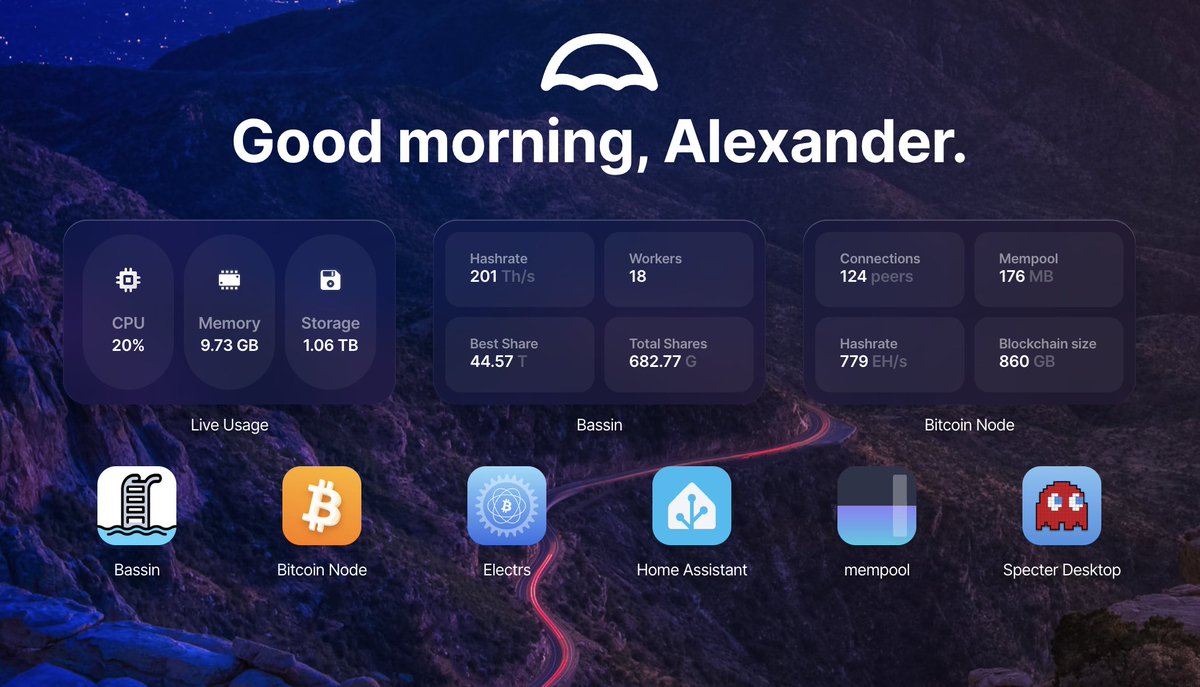
@LeonidasNFT I´m curious how many people in the $DOG Army are running their own Bitcoin node? I have a feeling it’s more than in any other community here on X. I’ll start: Running a Bitcoin node and a Bassin Solo Pool on @Umbrel. Only 200 TH/s, but it’s honest work securing Bitcoin, and I’m https://t.co/JANKEsjrtO
I am very excited to announce the launch of a new open source Bitcoin client called Bitcoin $DOG Mode. Bitcoin Core and Bitcoin Knots have spent years enforcing rules that Bitcoin itself does not have. A transaction can be fully valid under consensus and still be blocked from https://t.co/WCJ9roEkeo
07:06 AM·Jul 17, 2026

Leonidas 🧡 $DOG
@LeonidasNFT
THE BIP-110 COMMUNITY HAS DESCENDED INTO CHAOS IN THE PAST 24 HOURS LUKE'S ENTIRE INNER CIRCLE IS TURNING AGAINST HIM PEOPLE ARE PANICKING AND HAVE STARTED TO REMOVE BIP-110 FROM THEIR NAMES FIRST SAMSON MOW CAME OUT PUBLICLY AGAINST BIP-110 WHICH TRIGGERED LUKE TO CALL HIM A
08:10 AM·Jul 16, 2026
Leonidas shared the news on X early Friday. The $DOG Army project targets policy filters, not Bitcoin’s consensus rules. So no fork is needed.
DOG Mode proposes two narrow changes. Importantly, both affect relay policy, also called standardness. Neither changes the consensus rules that determine whether a block is valid.
First, DOG Mode would raise the standard transaction size limit. Today, most nodes cap standard transactions at 400,000 weight units. Under the proposal, however, that ceiling would increase to 3,900,000 weight units.
As a result, the client could relay near-4MB transactions, which supporters call “four meggers.” At the same time, the proposal leaves roughly 100,000 weight units of headroom for coinbase data and other overhead.
Second, DOG Mode would reduce the dust limit to 1 satoshi. Currently, nodes reject tiny outputs below roughly 294 to 546 sats, depending on the output type. Therefore, the change would allow much smaller outputs to circulate through the public relay network.
The distinction matters because consensus rules act as Bitcoin’s mandatory laws. Every node and miner must enforce them. Otherwise, the network rejects the block.
Standardness rules work differently. Instead, they function as optional defaults that determine which transactions a node accepts into its mempool and relays to peers.
Therefore, a transaction can remain fully valid under Bitcoin’s consensus rules while still being classified as non-standard. Miners can include it in a block, but most nodes may refuse to relay it publicly.
As a result, some users send large or non-standard transactions directly to miners. Leonidas describes this system as a private “black market” for transactions that Bitcoin itself considers valid.
Running DOG Mode would only change what an individual node accepts and relays. It would not change Bitcoin’s consensus rules. Moreover, other nodes could still ignore transactions relayed by DOG Mode nodes.
The launch extends a dispute that has intensified since 2023. That year, Ordinals introduced inscriptions to Bitcoin and triggered a sharp increase in data-heavy transactions.
Then, Runes launched during the 2024 Bitcoin halving. Notably, $DOG became Rune #3 and was etched in block 840000 at a fee rate of nearly 1.26 million sats per vByte.
Bitcoin Knots, maintained primarily by Luke Dashjr, takes a stricter approach to this activity. Its operators cite blockchain spam, higher resource costs and a preference for monetary transactions as reasons for applying stronger filters.
Bitcoin Core, however, has moved in the opposite direction. Its version 30 release expanded datacarrier limits, permitted multiple OP_RETURN outputs and lowered the minimum relay fee.
According to Leonidas, Core introduced these changes only after Runes and memecoin activity forced developers to reconsider existing relay policies. Consequently, the $DOG Army now wants to stop waiting for further policy changes.
“The $DOG Army is done asking for permission,” Leonidas wrote on X. “It is time to remove even more of these frivolous restrictions.”
Bitcoin filtering war and the road to Bitcoin DOG Mode
Bitcoin inscriptions increase sharply, intensifying debate over which consensus-valid transactions nodes should relay.
More operators adopt Bitcoin Knots for its stricter datacarrier and transaction-filtering policies.
Bitcoin Core moves toward more permissive datacarrier and mempool defaults for consensus-valid transactions.
Ordinals, Runes and $DOG supporters argue that restrictive relay rules create gatekeeping and private miner access.
Leonidas announces a proposed open-source client with larger standard transactions and a one-satoshi dust limit.
The next test is whether code launches, nodes adopt it and miners relay Bitcoin DOG Mode transactions.
The two parameters carry real stakes for Ordinals and Runes users. Bigger standard transactions would let large inscriptions travel through the public mempool.
The 1-sat dust rule targets a different problem. Runes transactions often pad outputs with small amounts of sats just to stay standard.
Leonidas estimates roughly $25 million in sats sits locked in that padding. He argues a 1-sat limit could return much of it to the ecosystem. Still, that figure remains an unverified estimate.
For context, past $DOG Army transactions bypassed public relay entirely. The Runestone inscription, near 3.99 MB, reached a block only through Marathon’s direct submission channel.
One detail tempers the excitement. As of the announcement, no public code exists.
There is no GitHub repository, no release tag, and no commits to review. Instead, Leonidas asked developers to contact him directly to help build the first release.
So it is a proposal and a rallying cry, not yet running software. Node adoption sits at zero for now, since nobody can run it.
No security audit has been mentioned either. Until code appears, every claim about the client rests on the announcement alone.
Not everyone welcomes looser relay rules. The “filter” camp views heavy Ordinals and Runes activity as spam that bloats the chain.
These operators, often aligned with Knots and Luke Dashjr, warn about denial-of-service risks. Larger transactions and dust floods could strain node memory and bandwidth.
They also see stricter defaults as a feature, not a bug. In their view, permissive relay subsidizes low-value data and raises the cost of running a node.
Supporters counter that every fee-paying, valid transaction deserves relay. Meanwhile, no major Core or Knots developer had responded publicly to DOG MOde by the time of writing.
The next milestone is simple. A public repository would let developers verify the exact policy changes and test them.
Adoption would then depend on economics. Miners earn more from relayable high-fee transactions, so some may choose to run a permissive client.
History offers a hint. Core already relaxed several filters after community pressure, so this effort could nudge those defaults again.
For now, the story is a plan with momentum and no software. This article is not financial advice, so treat any $DOG token angle with care.
Our Crypto Talk is committed to unbiased, transparent, and true reporting to the best of our knowledge. This news article aims to provide accurate information in a timely manner. However, we advise the readers to verify facts independently and consult a professional before making any decisions based on the content since our sources could be wrong too. Check our Terms and conditions for more info.


Securitize Stocks Launches Tokenized Equities on Solana
OCC GENIUS Act Final Rule Sets U.S. Stablecoin Rules
Stellar Settles First Institutional Repo Using Tokenized Treasury Collateral
Kelsier Ventures Wallets Fall From $300M to Under $2M
Securitize Stocks Launches Tokenized Equities on Solana
OCC GENIUS Act Final Rule Sets U.S. Stablecoin Rules
Stellar Settles First Institutional Repo Using Tokenized Treasury Collateral
Kelsier Ventures Wallets Fall From $300M to Under $2M