
CRCL drops sharply after leaked Clarity Act draft targets stablecoin yield, raising concerns around Circle revenue and USDC growth.

Author: Akshat Thakur
Steady attention without excessive speculation.
March 25, 2026- CRCL Drops Sharply after a leaked draft of the CLARITY Act signaled potential restrictions on stablecoin yield, triggering a sharp market reaction. The decline highlights how sensitive Circle’s business model remains to regulatory changes, especially around yield generation tied to USDC.
High Signal Summary For A Quick Glance

Yahoo Finance
@YahooFinance

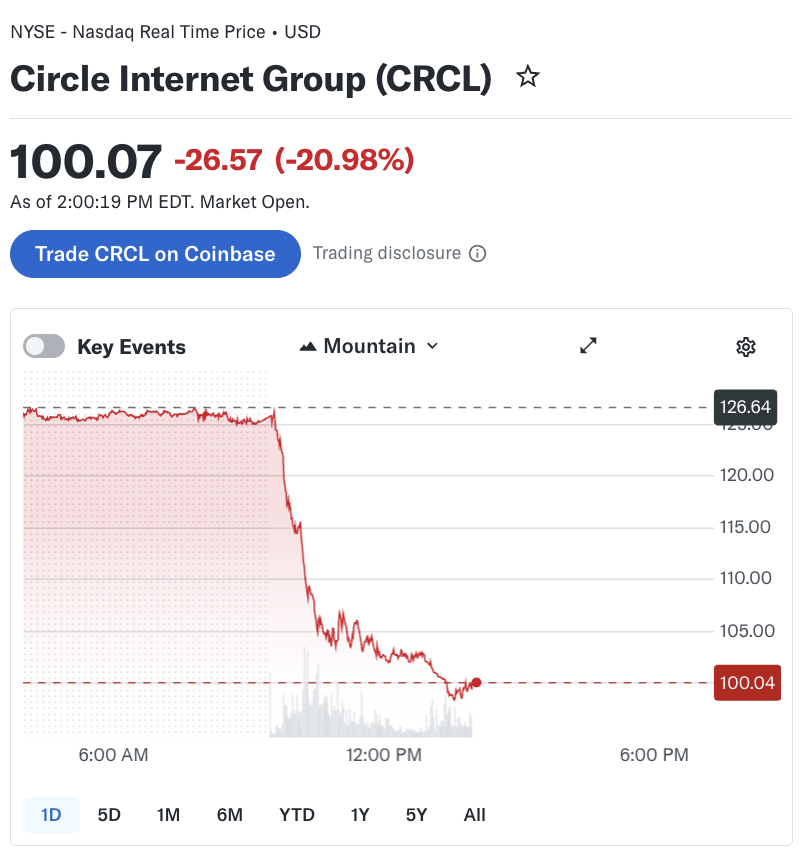
⤵️ $CRCL drops 20.98% on developments surrounding the Clarity Act, a bill that may restrict yield offerings on stablecoins. https://t.co/zEHzpBfgxa
06:02 PM·Mar 24, 2026

BeInCrypto
@beincrypto
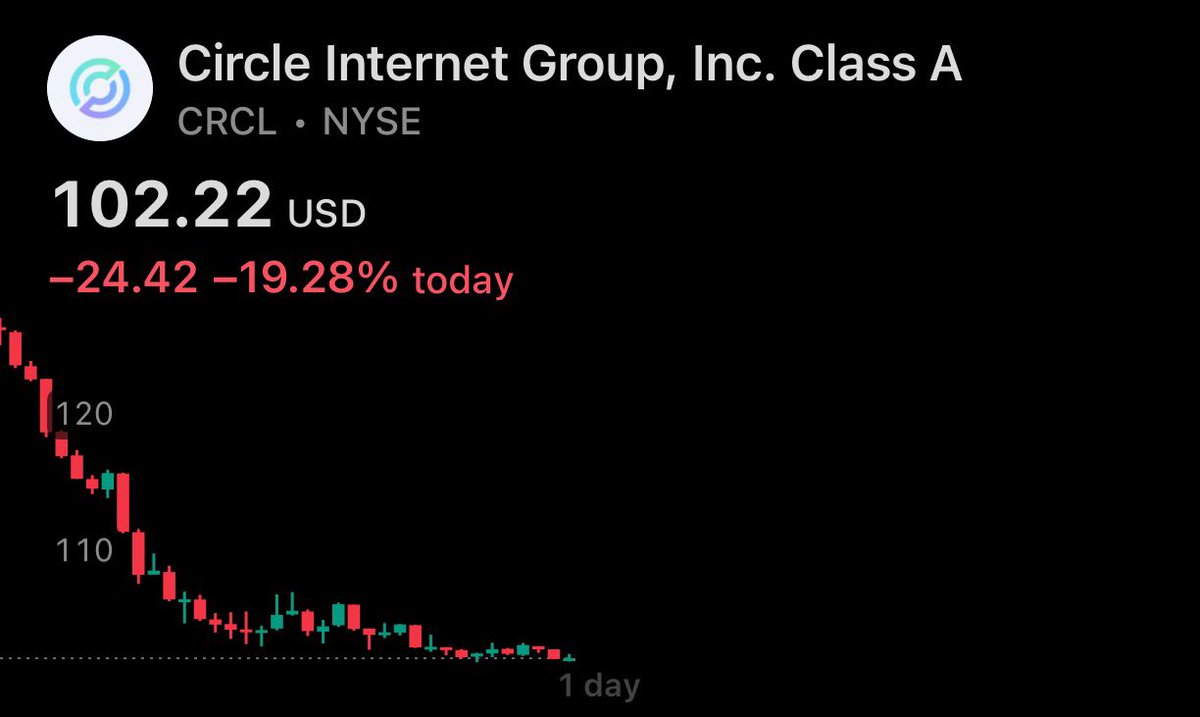
The Clarity Act draft proposes strict limits on stablecoin yields, prohibiting interest on held balances. Circle $CRCL is down 19% intraday to $102.22 following the news. https://t.co/cFGfPgGRkd
04:39 PM·Mar 24, 2026

LuxAlgo
@LuxAlgo
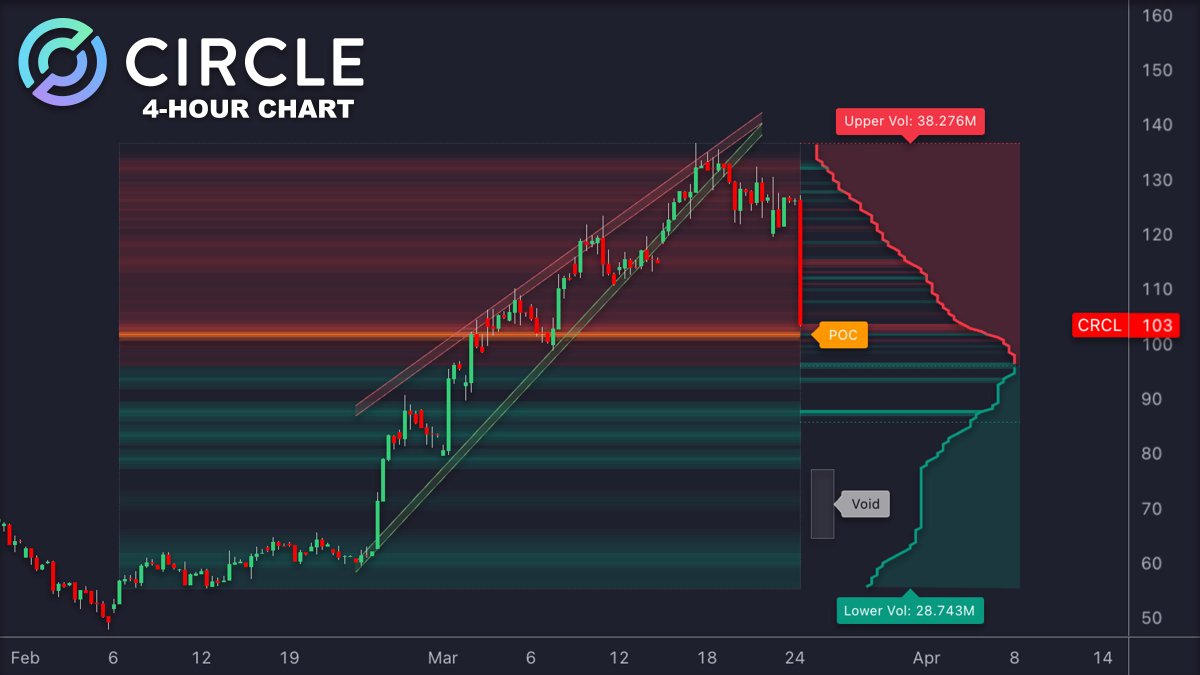
🚨 CLARITY ACT DRAFT: Stablecoin yields that resemble bank deposits would NOT be allowed. $CRCL 🔻-17% https://t.co/E65tjGRxy9
03:01 PM·Mar 24, 2026
Circle Internet Group shares fell roughly 16 to 20 percent following reports of a revised CLARITY Act draft that would restrict stablecoin yield.
(Source: Trading View)
The sell-off wiped out billions in market value and marked one of the steepest single-day declines since Circle’s 2025 IPO. The news spread quickly across media and X after reports referenced an internal stakeholder email, which accelerated the market reaction. Coinbase shares also dropped in response, reflecting its revenue-sharing exposure to USDC.
Circle has positioned itself as a compliant stablecoin issuer since launching USDC in 2018. Its revenue model relies heavily on interest generated from reserves backing USDC, primarily cash and short-term Treasuries.
That structure allowed Circle to benefit from rising interest rates while maintaining a regulated image compared to competitors. Leading into this week, CRCL had rallied strongly on expectations of institutional growth and expanded yield-based products. The leaked draft introduces uncertainty at the core of that thesis.
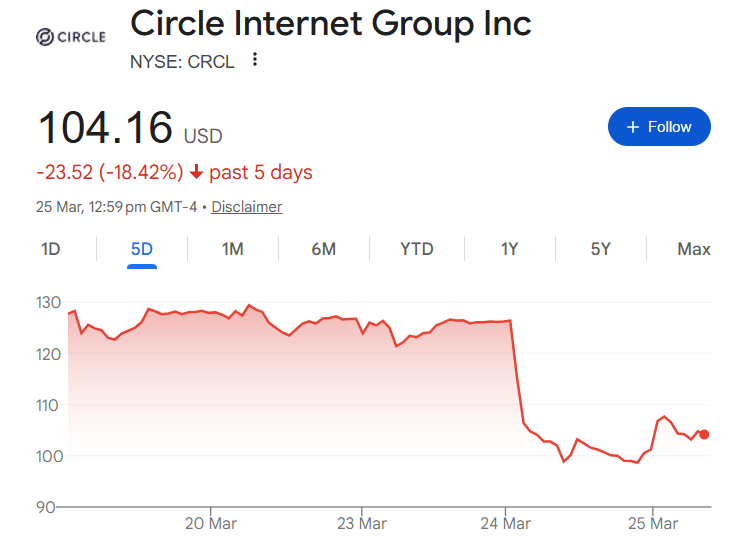
$CRCL Drops Sharply because yield is not just an added feature, it is central to stablecoin demand. Passive returns have made USDC more attractive compared to holding idle cash or using traditional banking rails.
If restrictions remove that incentive, user behavior could shift. Capital may move toward alternatives that still offer yield, whether inside crypto or in traditional markets. This directly impacts Circle’s ability to grow supply and generate revenue from reserves.
The proposed language limits rewards to activity-based incentives such as payments, transfers, or liquidity provision (Source: Investing.com). Passive holding of stablecoins would no longer qualify for yield.
The goal is clear. Regulators want to prevent stablecoins from acting like interest-bearing bank deposits without being regulated as such.
For Circle, that creates a constraint. The company can still issue USDC, but monetizing it becomes more limited.
This reaction is not just about one bill. It reflects a broader concern around how far regulators are willing to go in shaping stablecoin economics. Circle’s valuation depends heavily on its ability to generate predictable income from reserves. If yield-related products are restricted, that revenue stream becomes less flexible.
There is also competitive pressure. Tether operates under a different structure and may not face the same constraints in the same way. That could shift market share over time.
Our Crypto Talk is committed to unbiased, transparent, and true reporting to the best of our knowledge. This news article aims to provide accurate information in a timely manner. However, we advise the readers to verify facts independently and consult a professional before making any decisions based on the content since our sources could be wrong too. Check our Terms and conditions for more info.