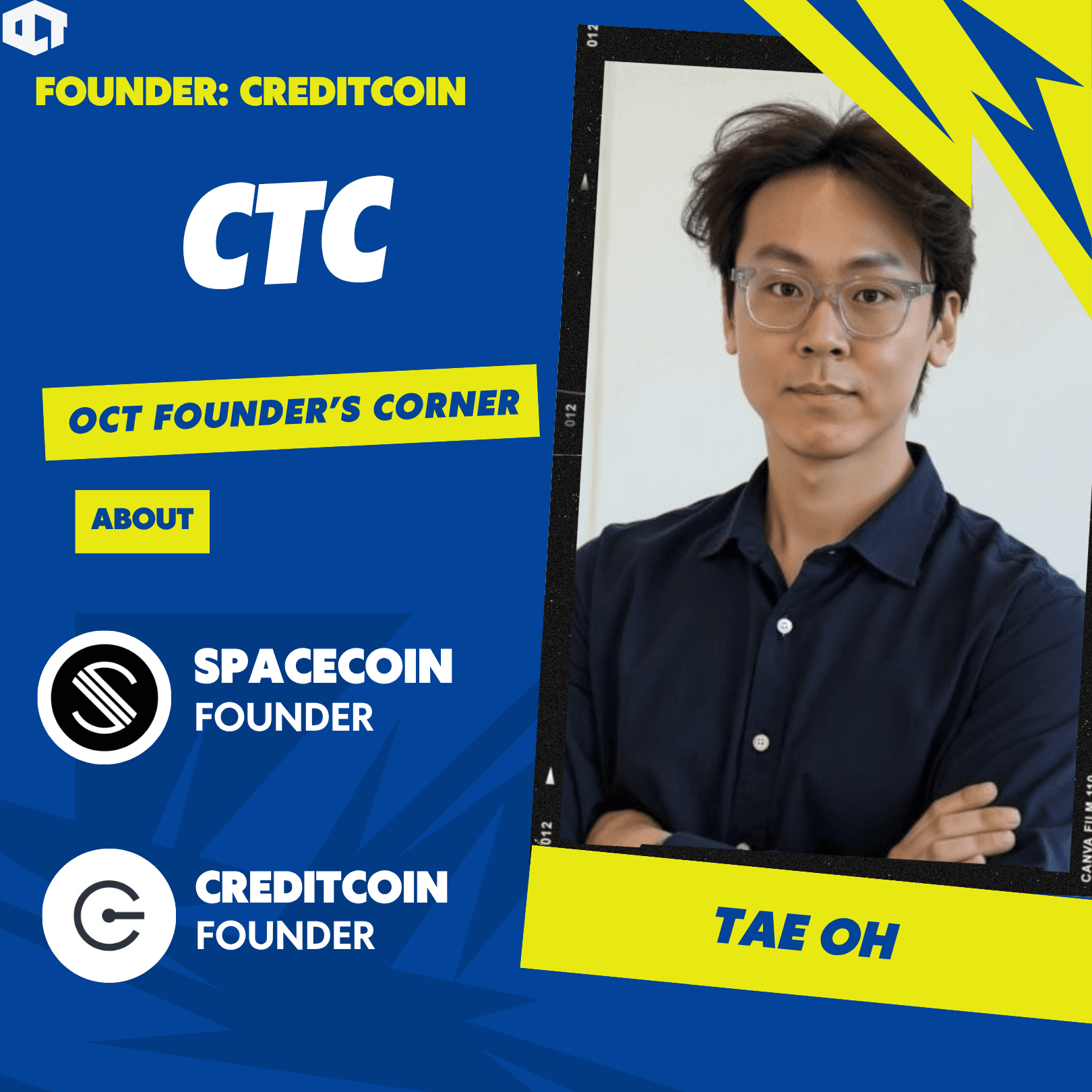
Who Is Tae Oh? Creditcoin Founder and Decentralized Credit Pioneer Explained
Tae Oh is the founder of Creditcoin, a blockchain-based credit network connecting lenders and borrowers across emerging markets. Learn about Creditcoin, CTC, and his role in decentralized finance.


Author: Akshay
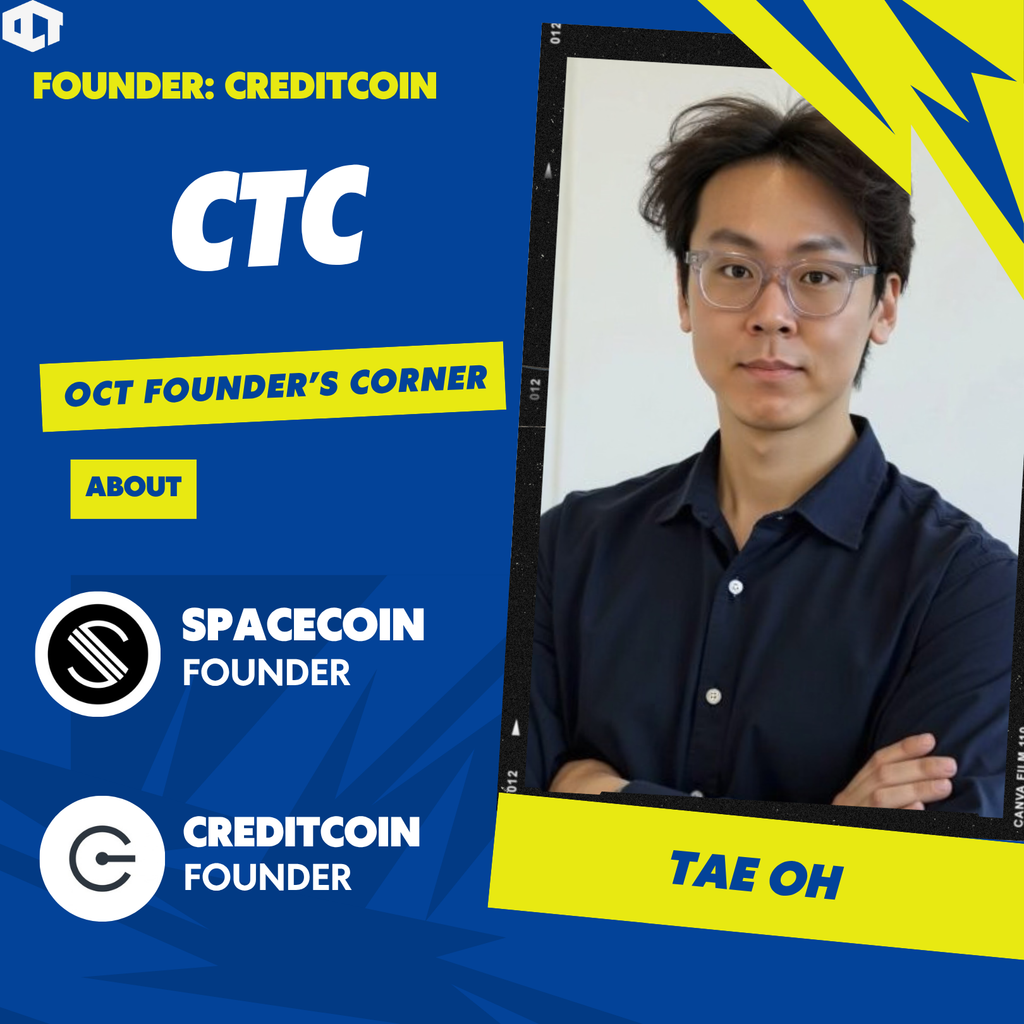
Tae Oh is the founder and CEO of Creditcoin, a blockchain-based credit network designed to connect borrowers, lenders, and real-world credit markets across emerging economies. Through Creditcoin and the CTC ecosystem, Oh has focused on using blockchain technology to create more transparent credit infrastructure and expand access to financing. His work sits at the intersection of decentralized finance, emerging-market lending, and real-world financial assets.
Early Background and Career
Before founding Creditcoin, Tae Oh developed experience in technology, finance, and emerging-market financial services. He became interested in the limitations of traditional lending systems, particularly the difficulty borrowers in developing markets face when trying to establish credit histories and access international capital.
Oh’s experience in the financial technology sector helped shape his understanding of how fragmented credit markets can limit access to capital. This eventually led him to explore blockchain as a way to create a more transparent and interoperable credit infrastructure.
His approach to blockchain has focused on practical financial applications rather than cryptocurrency trading alone, with credit markets serving as the core use case.
How Tae Oh Created Creditcoin
Tae Oh founded Creditcoin in 2019 with the goal of connecting traditionally separated credit markets through blockchain technology. The project was developed alongside Gluwa, a financial technology company focused on providing access to financial services in emerging markets.
Creditcoin was designed to record lending activity on a blockchain, allowing borrowers to build verifiable credit histories while enabling lenders to discover lending opportunities across different markets.
The project initially focused on emerging markets where access to conventional credit can be limited. Over time, Creditcoin expanded its infrastructure toward broader on-chain credit markets and real-world financial assets.
How Creditcoin Works
Creditcoin is a blockchain-based credit network that connects lenders and borrowers while recording credit transactions on-chain. Instead of replacing lenders with a single centralized institution, the network provides infrastructure through which different lending markets can connect.
Creditcoin can record loan agreements and repayment histories, creating verifiable financial records that can potentially help borrowers establish creditworthiness.
The CTC token is the native token of the Creditcoin ecosystem. It is used for network-related functions and supports the broader Creditcoin economy.
Creditcoin’s infrastructure is also designed to connect blockchain-based financial activity with real-world lending, making it part of the broader real-world asset and decentralized credit sector.
Tae Oh’s Role at Creditcoin
As founder and CEO, Tae Oh has guided Creditcoin’s product strategy, financial-market expansion, and blockchain infrastructure development.
His work has focused on connecting decentralized technology with real-world lending markets, particularly in regions where traditional credit infrastructure is less accessible.
Oh has also been involved in expanding Creditcoin’s ecosystem and developing partnerships intended to connect lenders, borrowers, financial institutions, and blockchain applications.
Why Tae Oh Matters in Crypto
Tae Oh is recognized for focusing blockchain technology on one of the traditional financial system’s fundamental functions: credit.
Creditcoin demonstrates how blockchain networks can be used not only for cryptocurrency transactions but also for recording lending relationships, building credit histories, and connecting capital with borrowers in emerging markets.
As the crypto industry increasingly moves toward real-world assets and on-chain financial infrastructure, Creditcoin’s focus on decentralized credit provides another example of how blockchain technology can interact with traditional financial markets.
Frequently Asked Questions
Who is Tae Oh?
What is Tae Oh known for?
What is Creditcoin?
What is CTC?
How does Creditcoin work?
In this article
Early Background and CareerHow Tae Oh Created CreditcoinHow Creditcoin WorksTae Oh’s Role at CreditcoinWhy Tae Oh Matters in Crypto