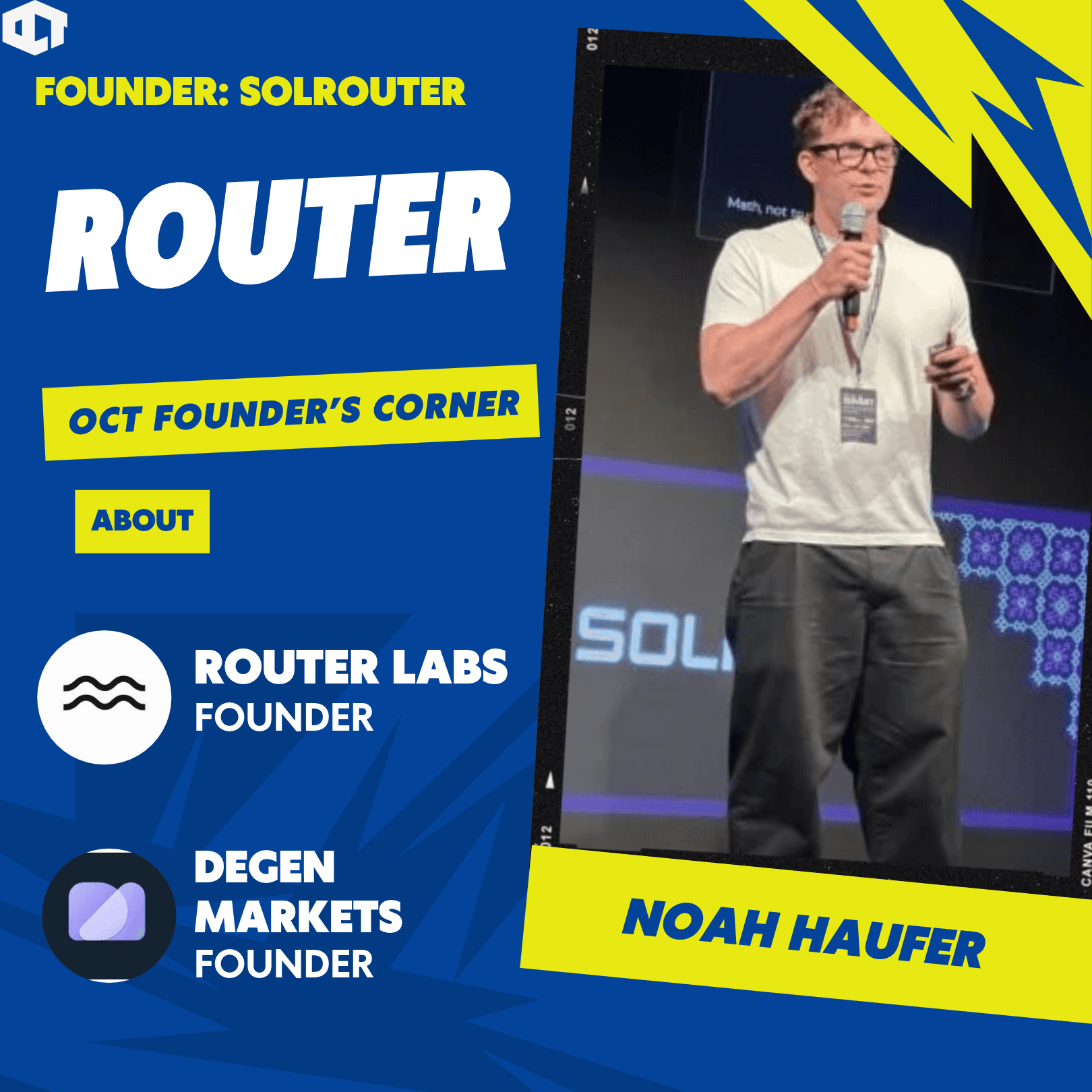
Who Is Noah Haufer? Solrouter Founder and Private AI Infrastructure Builder Explained
Noah Haufer is the founder of Solrouter, a Solana-based private AI platform designed to protect user prompts through encryption and verifiable confidential computing.


Author: Akshay
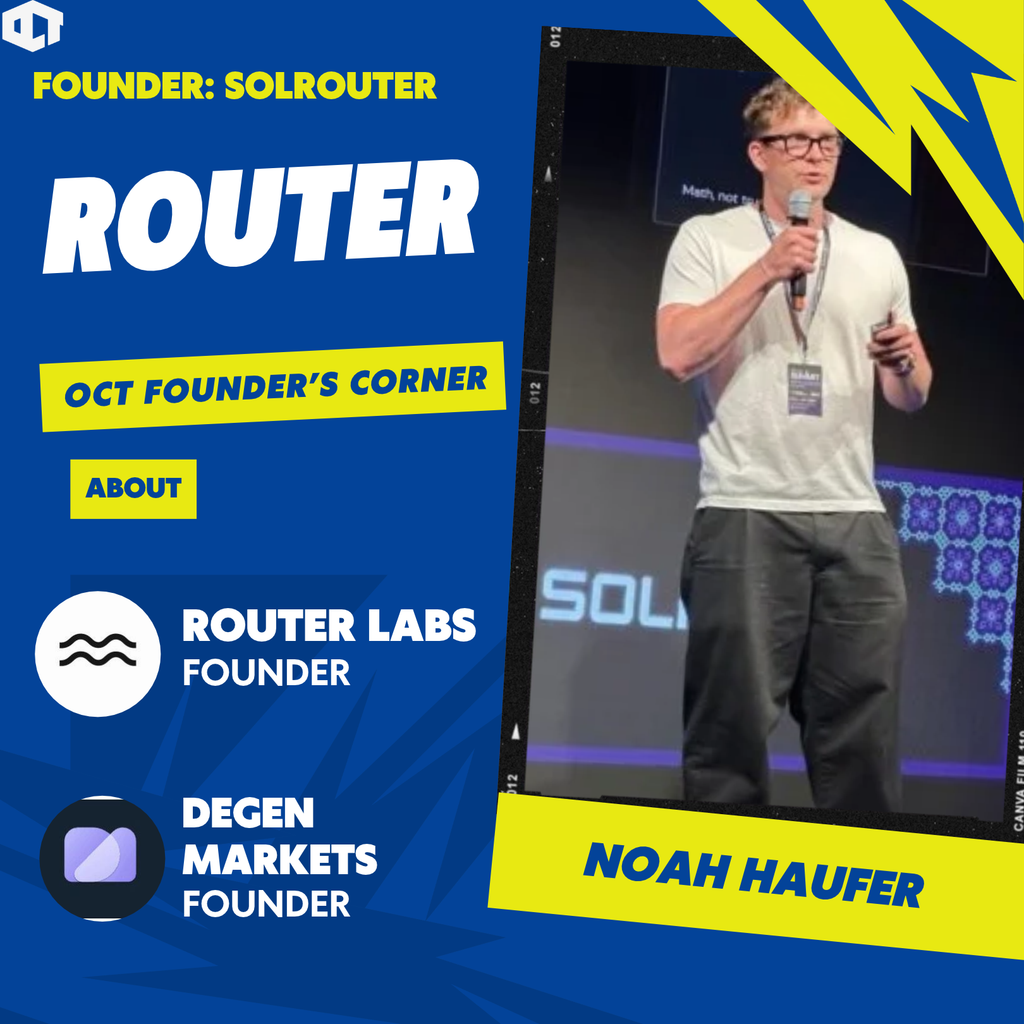
Noah Haufer is the founder of Solrouter, a privacy-focused AI project building infrastructure for confidential AI interactions on Solana. Solrouter aims to protect sensitive prompts by encrypting them on a user’s device before they reach its backend, then processing them inside a confidential computing environment. The project combines AI inference, cryptographic privacy, and on-chain verification to address concerns about how AI services handle personal information, business data, and proprietary code.
Early Background and Career
Public information about Noah Haufer’s early life, education, and career history is limited. His professional activity is associated with Solrouter and the development of privacy-focused AI infrastructure. Through his work on the project, Haufer has focused on the challenge of making AI tools useful without requiring users to expose sensitive prompts to conventional service providers.
His public commentary and presentations have centered on the difference between relying on a company’s privacy policy and using technical systems designed to restrict access to user data. This approach places Solrouter within the emerging field of confidential AI, where encryption and hardware-backed security are used to protect data during AI processing.
How Noah Haufer Created Solrouter
Noah Haufer introduced Solrouter as a privacy-first AI gateway built around the Solana ecosystem. The project addresses a central concern with conventional AI services: prompts containing private information, source code, business plans, or personal data may be processed by servers that can access their contents. Solrouter’s approach is to encrypt prompts locally and use confidential computing to restrict where they can be decrypted.
The project progressed from a developer-focused beta with an SDK and support for AI agents to a platform offering private AI chat, integrations for coding tools, and an interface for applications. Its architecture combines client-side encryption, confidential computing infrastructure, and on-chain attestations intended to make aspects of its privacy claims independently verifiable.
How Solrouter Works
Solrouter encrypts prompts on the user’s device before transmitting them to its backend. Using X25519 key exchange and Arcium RescueCipher, the system sends encrypted data that the backend relays without holding the key needed to read the prompt. The sealed request is opened inside an Intel TDX confidential virtual machine hosted through Phala, where the AI model processes it and the response is encrypted before returning to the user.
The platform also records cryptographic attestations on Solana through Light Protocol. These records are intended to provide verifiable evidence that a sealed request was processed through the specified infrastructure, without publishing the prompt itself. Solrouter supports a web chat interface, a TypeScript SDK, and integrations with tools such as Claude Code, Cursor, and Claude Desktop. However, not every feature uses the same privacy protections: some agent functions and external connectors operate outside the sealed processing path.
Noah Haufer’s Role at Solrouter
As Solrouter’s founder, Noah Haufer is associated with the project’s direction toward verifiable AI privacy on Solana. His public presentations have emphasized encrypting prompts before transmission, processing them in a trusted execution environment, and using cryptographic verification rather than relying exclusively on a service provider’s privacy policy.
Haufer’s work places Solrouter at the intersection of artificial intelligence, confidential computing, and blockchain infrastructure. The project is designed for developers and users who want to incorporate AI into applications or workflows while reducing the exposure of sensitive prompts. Its longer-term relevance depends on the security of its implementation, the scope of its privacy guarantees, and adoption by developers and AI-agent ecosystems.
Why Noah Haufer Matters in Crypto
Noah Haufer is working on a problem that is becoming increasingly important as AI tools are integrated into crypto wallets, trading workflows, software development, and autonomous agents. These applications may handle information that users do not want exposed to an AI provider or intermediary. Solrouter’s design uses Solana for verifiable records while relying on encryption and confidential-computing technology to protect data during processing.
The project’s significance lies in its attempt to make AI privacy a technical property that users can inspect and verify, rather than solely a promise made by a company. Its guarantees still have boundaries, and users should check which features use sealed processing before sending sensitive data. Nevertheless, Solrouter represents one approach to combining blockchain verification with privacy-focused AI infrastructure.
Frequently Asked Questions
Who is Noah Haufer?
What is Solrouter?
What problem does Solrouter aim to solve?
How does Solrouter protect user prompts?
Is Solrouter built on Solana?
In this article
Early Background and CareerHow Noah Haufer Created SolrouterHow Solrouter WorksNoah Haufer’s Role at SolrouterWhy Noah Haufer Matters in Crypto