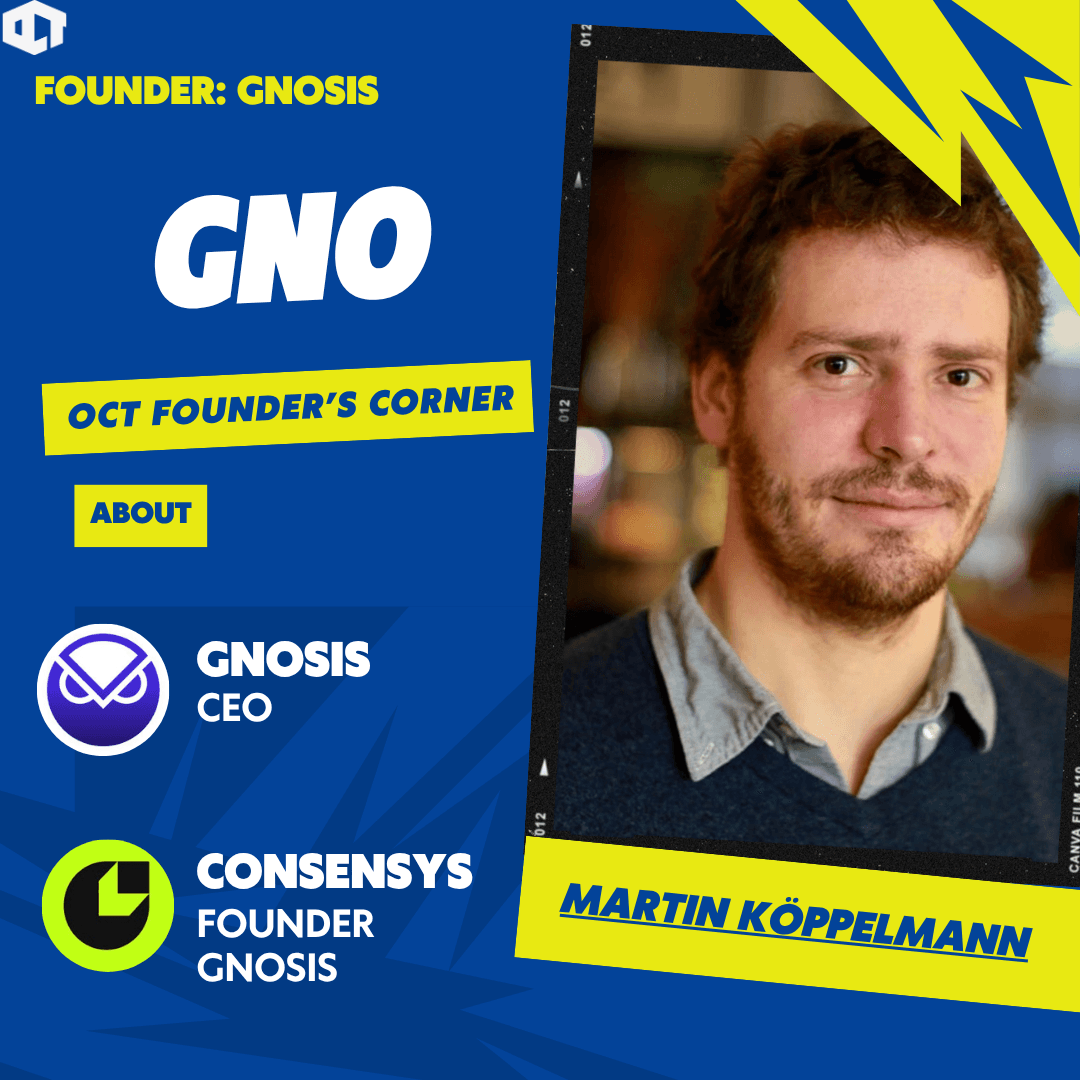
Who Is Martin Köppelmann? Gnosis Founder and Ethereum Infrastructure Pioneer Explained
Martin Köppelmann is the co-founder of Gnosis, an Ethereum-based platform focused on decentralized infrastructure, prediction markets, and Web3 applications. Here’s his background, Gnosis, GNO, and his role in crypto innovation.


Author: Akshay
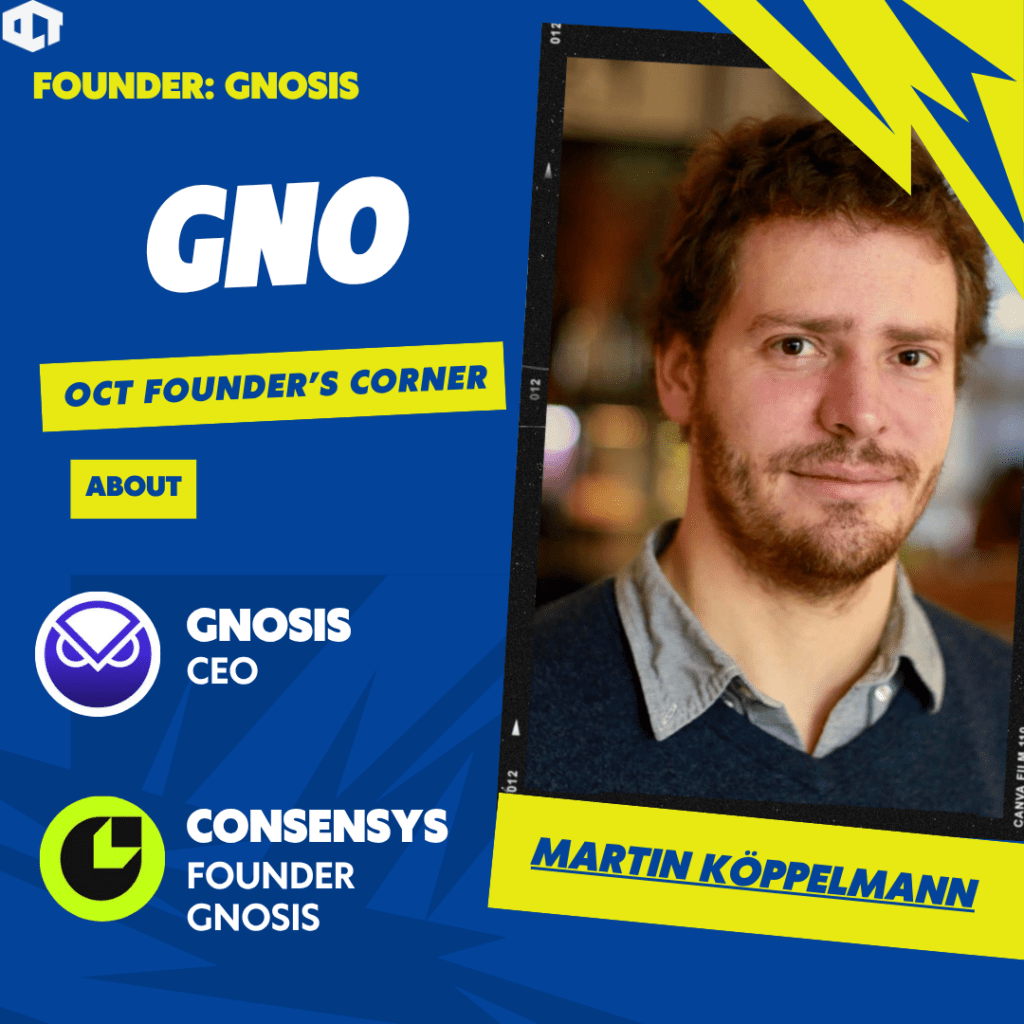
Martin Köppelmann is the co-founder of Gnosis, an Ethereum-based blockchain platform focused on decentralized infrastructure, prediction markets, and Web3 applications. Through Gnosis and the GNO ecosystem, Martin Köppelmann is associated with initiatives exploring decentralized governance, blockchain interoperability, and Ethereum-powered digital ecosystems. His work reflects the growing expansion of Web3 infrastructure and decentralized technologies within the crypto industry.
Early Background and Career
Before co-founding Gnosis, Martin Köppelmann built experience in software development, digital systems, and blockchain-focused innovation. His background includes involvement in decentralized technologies, cryptographic systems, and emerging Ethereum infrastructure connected to Web3 ecosystems.
As blockchain adoption accelerated globally, Martin Köppelmann became interested in how decentralized technologies could improve governance, digital coordination, and financial participation. His experience in software engineering and decentralized systems helped shape his vision for scalable blockchain infrastructure and Ethereum-based applications.
How Martin Köppelmann Created Gnosis
Martin Köppelmann co-founded Gnosis as part of the broader movement toward decentralized infrastructure and Ethereum-powered Web3 systems. The project was developed to support prediction markets, decentralized governance systems, and blockchain-based coordination tools.
Gnosis reflects increasing industry demand for decentralized applications capable of supporting transparent governance, digital asset participation, and scalable Ethereum infrastructure. The platform aims to contribute to the evolution of Web3 ecosystems through blockchain innovation and decentralized coordination technologies.
As Ethereum adoption continues growing globally, Gnosis represents part of the expanding ecosystem focused on decentralized infrastructure and blockchain-powered digital participation.
How Gnosis Works
Gnosis operates as an Ethereum-based ecosystem connected to decentralized infrastructure, governance systems, and Web3 participation. The platform explores blockchain technologies designed to support decentralized coordination, digital asset participation, and scalable decentralized applications.
Like many Ethereum ecosystems, Gnosis integrates smart contracts, decentralized infrastructure, and blockchain-powered governance systems to improve accessibility and ecosystem functionality. The GNO token plays a role within the ecosystem by supporting governance and network participation.
As blockchain technology continues evolving, projects like Gnosis contribute to the expansion of decentralized infrastructure and Ethereum-based Web3 ecosystems.
Martin Köppelmann’s Role at Gnosis
Martin Köppelmann plays a leadership role in the vision, ecosystem development, and strategic direction of Gnosis. His involvement includes supporting Ethereum infrastructure innovation, decentralized governance systems, and Web3 ecosystem growth.
As a founder and blockchain entrepreneur, Martin Köppelmann is associated with efforts focused on decentralized coordination, blockchain-powered governance, and scalable Ethereum infrastructure. His leadership reflects the increasing importance of decentralized systems and interoperable Web3 technologies within the evolving crypto industry.
Through Gnosis, Martin Köppelmann continues contributing to discussions surrounding decentralized governance, Ethereum adoption, and blockchain-powered digital ecosystems.
Why Martin Köppelmann Matters in Crypto
Martin Köppelmann is recognized for his involvement in Ethereum infrastructure innovation and decentralized ecosystem development. His work through Gnosis highlights the growing importance of decentralized governance systems, Ethereum-based applications, and scalable Web3 infrastructure within the crypto industry.
As decentralized technologies continue expanding globally, infrastructure platforms focused on governance and coordination are becoming increasingly important for blockchain adoption and Web3 participation. Founders like Martin Köppelmann are helping shape the future of decentralized digital ecosystems and Ethereum-powered infrastructure.
His work reflects broader industry efforts focused on transparency, decentralization, and blockchain-powered coordination systems.
Frequently Asked Questions
Who is Martin Köppelmann?
What is Martin Köppelmann known for?
What is Gnosis?
What is GNO?
What does Martin Köppelmann do at Gnosis?
In this article
Early Background and CareerHow Martin Köppelmann Created GnosisHow Gnosis WorksMartin Köppelmann’s Role at GnosisWhy Martin Köppelmann Matters in Crypto