Introduction
If you are exploring blockchain governance, you might have noticed it is not always straightforward. How to participate varies across different chains, each with their own voting systems, wallets, and interfaces. You may feel unsure where to start or worry about making mistakes that could cost your tokens.
This guide will show you exactly how to participate in governance voting across multiple chains. You will learn what governance voting is, why it matters, and how to vote safely. By the end, you will feel confident navigating different chains, connecting your wallet, and casting votes. Screenshots and step-by-step instructions make the process simple, so you do not feel overwhelmed.
Whether you want to influence protocol decisions, vote on proposals, or simply explore blockchain governance, this guide will help you act with clarity and confidence.
What is Governance Voting?
Governance voting is a process that allows token holders to participate in important decisions about a blockchain or protocol. Instead of leaving every choice to developers or centralized teams, governance gives the community a direct voice. These decisions can cover a wide range of actions, such as approving software upgrades, changing protocol rules, allocating funds from a treasury, or even adding new features to the ecosystem.
Each blockchain or decentralized project has its own voting system, often integrated into a dedicated governance portal or platform. Your voting power is usually proportional to the number of tokens you hold, meaning that larger stakeholders can influence decisions more heavily but even small holders can have an impact, especially when many vote together.
In practical terms, governance voting is your opportunity to shape the direction of the projects you support. It is a key part of decentralized networks because it ensures that changes reflect the interests of the community rather than a single controlling party. By participating, you help maintain transparency, fairness, and alignment between the protocol’s growth and its users’ goals.
Voting can be done on multiple chains if your tokens are spread across different blockchains, making it important to understand each chain’s governance process. With practice, governance voting becomes straightforward, and you gain confidence in influencing decisions that matter to you.
Why Governance Voting Matters
Participating in governance gives you influence. Decisions like protocol upgrades, treasury spending, or staking rules affect your tokens and the ecosystem. By voting, you can:
- Help shape project direction based on your priorities.
- Protect your holdings from unwanted changes.
- Support initiatives that align with community growth.
Governance is not just for whales. Even small holders can make a difference, especially on projects with active communities. Multi-chain voting ensures you do not miss decisions, regardless of which blockchain your tokens live on.
Being active also builds confidence. The more you participate, the easier it becomes to understand proposals and interact with new platforms.
Step1 : Set Up MetaMask Wallet
- Install the MetaMask extension in your browser (Chrome/Firefox/Edge).
- Open MetaMask and either create a new wallet or import an existing wallet with your seed phrase.

- Select Network:
- At the top center, click the network dropdown.
- Choose Ethereum Mainnet.
- If not listed, click Add Network and select Ethereum Mainnet.
- Check Tokens Tab:
- Click Tokens below the Buy / Swap / Send / Receive buttons.
- You may see 0 ETH, empty state, or Import tokens.
- (For demo, importing tokens is optional.)
Step2 : Access Snapshot
- Open a new browser tab and type snapshot.org manually.
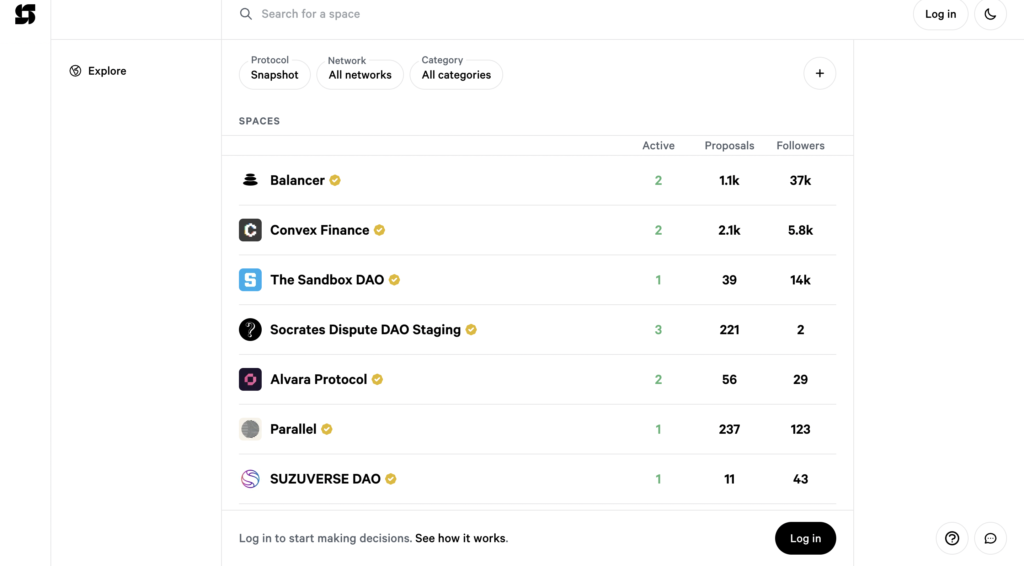
- Click Explore to browse different DAO spaces and proposals.
- Familiarize yourself with the layout: spaces, proposals, and voting options.
Step3 : Connect MetaMask to Snapshot
- On Snapshot, click Connect Wallet (top-right corner).
- Select MetaMask.

- MetaMask popup appears:
- Click Next, then Connect.
- Do not sign transactions yet, just connecting is enough.
- Once connected, your wallet address appears on Snapshot.
Step4 : Browse Governance Proposals
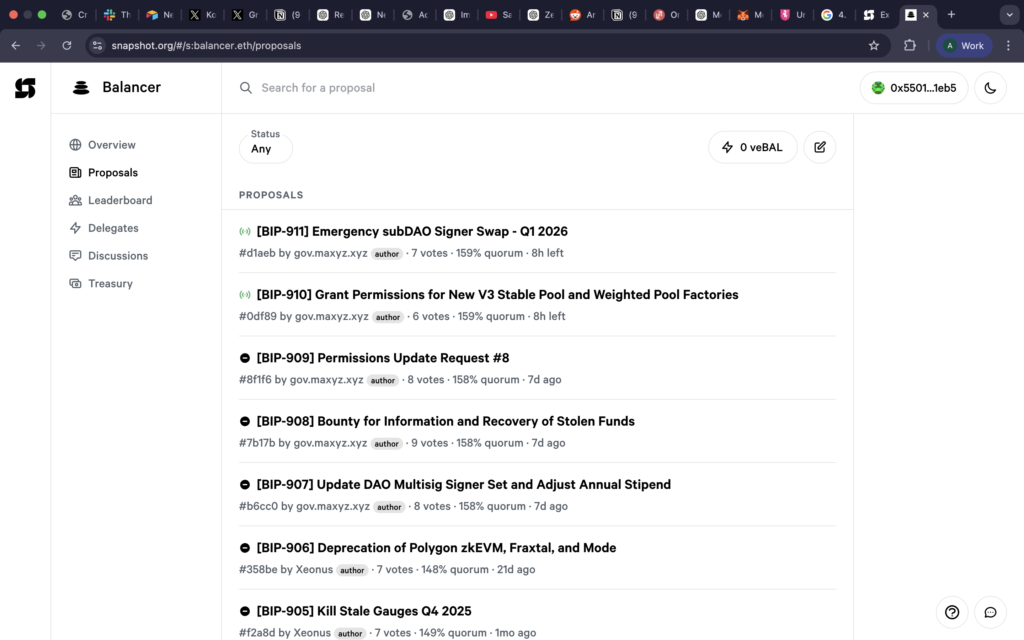
- In Snapshot, choose a DAO space (example: Uniswap, Aave, etc.).
- Click a proposal to open it.
- Review:
- Proposal description
- Voting options (For / Against / Abstain)
- Snapshot score or voting power required

Step5 : Voting (Demo Mode)
- Click your choice (For / Against / Abstain).
- MetaMask may ask you to sign a message, this is normal for proof-of-voting.
- No ETH gas is needed on Snapshot; it’s off-chain voting.
- After signing, your vote is recorded and reflected on the proposal.

Step 6: Verify Your Vote
- Go back to the proposal page.
- Your vote should appear next to your wallet address.
- You can explore other proposals or switch DAO spaces to practice more.
Common Mistakes and How to Avoid Them
Wrong Network Selected
Insufficient Tokens
Transaction Fails
Voting on Expired Proposal
Not Syncing Across Chains
Using Unofficial Portal
Ignoring Proposal Details
Best Practices for Governance Voting
1. Keep Wallet Software Updated
Always use the latest version of your wallet software. Updates often include important bug fixes, security patches, and new features. Using an outdated wallet can lead to failed transactions or security risks while voting.
2. Avoid Public Wi-Fi
Public Wi-Fi networks can be insecure, making it easier for attackers to intercept your transactions or private keys. Always vote using a trusted network, like your home connection or a secure mobile hotspot, to keep your tokens safe.
3. Track Deadlines on a Calendar
Governance proposals have specific start and end times. Missing a deadline means your vote will not count. Use a calendar or reminder system to track deadlines for each chain and proposal. This ensures you never miss an important vote.
4. Use a Separate Wallet for Governance
Consider keeping a dedicated wallet for governance activities. This reduces the risk to your main holdings if you accidentally interact with a wrong contract or malicious link. A separate wallet keeps your voting tokens isolated and safer.
5. Review Proposal Discussions Before Voting
Many protocols host forums or community channels where proposals are discussed. Reading these discussions helps you understand the reasoning behind each proposal, the potential impact, and common concerns. It ensures you make informed decisions rather than voting blindly.