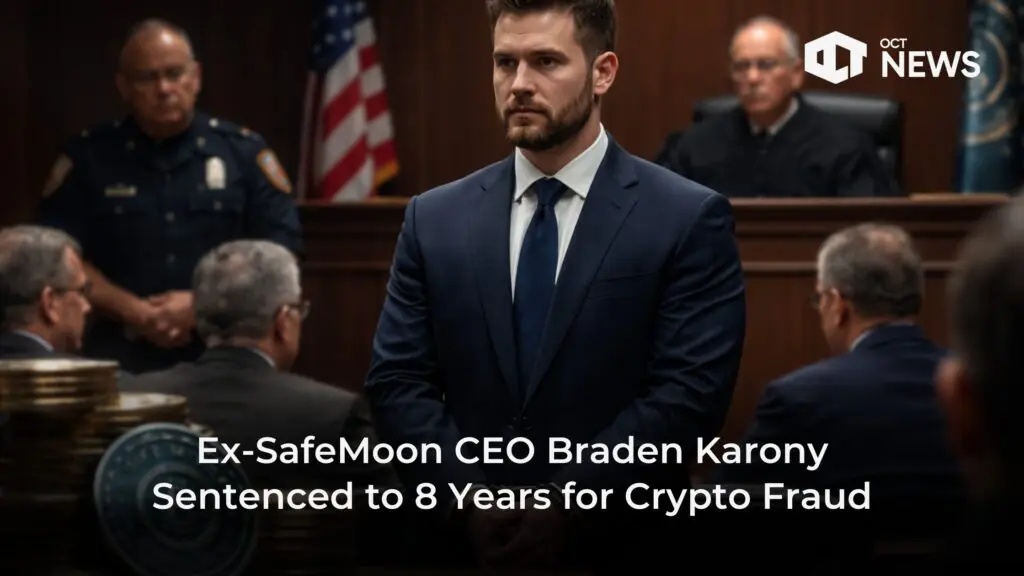
12th February, 2026 – Ex-SafeMoon CEO Braden Karony sentenced to 8 years for crypto fraud for defrauding investors of more than $200 million. He was found guilty of manipulating trades and using funds for luxury expenses, highlighting the growing crackdown on dishonest DeFi projects.
High Signal Summary For A Quick Glance
- Legal accountability sets a precedent that deters fraud and blatant misconduct.
- Investor protections remain largely unchanged, reinforcing the need for independent due diligence.
- Market maturity improves as bad actors are progressively removed from the ecosystem.
- Transparent token models remain viable, while hype-driven and unregulated schemes face higher scrutiny.
- Retail traders: Face confirmed losses and may avoid high-risk meme coins going forward.
- Long-term holders: Limited recovery prospects reinforce shaken trust in some DeFi segments.
- Institutions: View regulatory enforcement as constructive, but continue approaching crypto cautiously.
- Broader market: Growing skepticism toward unregulated tokens fuels calls for stronger safeguards.

Ex-SafeMoon CEO Sentenced for Fraud
Braden John Karony, Ex-SafeMoon CEO of SafeMoon, was sentenced to over 8 years in prison for running a multi-year fraud. SafeMoon, launched in 2021 as a DeFi token with “locked” liquidity and a 10% transaction tax, surged to an $8 billion market cap but collapsed after it was revealed liquidity wasn’t truly locked. Investors faced lawsuits, a $9M hack, and the project went bankrupt by 2023.
Federal charges accused Karony of siphoning $200M for personal luxuries and manipulating prices. The case sparked widespread Crypto Twitter discussion, destroyed 99% of SafeMoon’s token value, and added to distrust in meme coins, mirroring broader crypto scandals like FTX and Bitconnect, and contributing to market volatility and increased regulatory scrutiny.
Key milestones in SafeMoon’s rise, collapse, and criminal prosecution
SafeMoon token launch
SafeMoon launches on BNB Chain with a 10% transaction tax designed to reward holders and build liquidity.
Explosive price surge
The token rallies more than 23,000% amid celebrity endorsements and viral hype, briefly reaching a multi-billion-dollar market cap.
Liquidity concerns surface
Disclosure that SafeMoon’s liquidity pool was not fully locked triggers a sharp 50% price drop and early investor skepticism.
Class-action lawsuit filed
Investors file a lawsuit alleging SafeMoon functioned as a pump-and-dump scheme involving executives and promoters.
Coffeezilla fraud allegations
Blockchain investigator Coffeezilla accuses the team of siphoning millions from the liquidity pool for personal use.
$9M liquidity hack
A smart-contract exploit drains roughly $9M from SafeMoon’s liquidity pool, with most funds later returned after negotiations.
Federal fraud indictment
U.S. authorities charge CEO Braden Karony, Kyle Nagy, and Thomas Smith with securities fraud, wire fraud, and money laundering.
Chapter 7 bankruptcy
SafeMoon files for Chapter 7 bankruptcy as legal pressure mounts and the token’s value collapses.
CTO pleads guilty
Former CTO Thomas Smith pleads guilty to conspiracy charges related to the SafeMoon fraud scheme.
Karony convicted
A federal jury finds CEO Braden Karony guilty on all counts following a three-week criminal trial.
100-month prison sentence
Karony is sentenced to 100 months in federal prison, along with restitution, forfeiture, and bans from corporate leadership roles.
Unresolved SafeMoon Cases Raise Questions for Investors
While Ex-SafeMoon Braden Karony’s sentencing drew attention, Ex-SafeMoon co-creator Kyle Nagy remains a fugitive since the 2023 indictments. This highlights the challenges of prosecuting international crypto scams, with Nagy likely hiding in undisclosed locations. Thomas Smith’s pending sentencing could reveal more about the fraud.
Victim restitution is still uncertain: Karony must forfeit $7.5M and two properties, but full compensation for defrauded investors depends on SafeMoon’s 2023 bankruptcy and asset liquidation. Speculation over Karony’s appeal remains, as his sentence was below guidelines, possibly due to mitigating factors. These gaps show how crypto justice is slow, affecting investor trust.
What to Read Next
- FTX Collapse and SBF’s Sentencing: Dive into the 2024 case of Sam Bankman-Fried, who received 25 years for similar fraud involving billions in customer funds, highlighting parallels in crypto exchange mismanagement and regulatory fallout.
- BitConnect Ponzi Scheme Breakdown: Explore the 2018 shutdown of BitConnect, a lending platform scam that led to prison terms for promoters and a massive investor wipeout, offering lessons on spotting high-yield promise red flags.
- SEC’s Crackdown on DeFi Projects: Check out recent SEC actions against other meme coins and DeFi tokens in 2025-2026, including charges against projects like HEX, to understand the evolving landscape of securities enforcement in crypto.
- Guide to Avoiding Crypto Scams: Read up on practical tips for due diligence, such as verifying smart contracts and team transparency, drawing from SafeMoon’s pitfalls to protect investments in future hype-driven tokens.