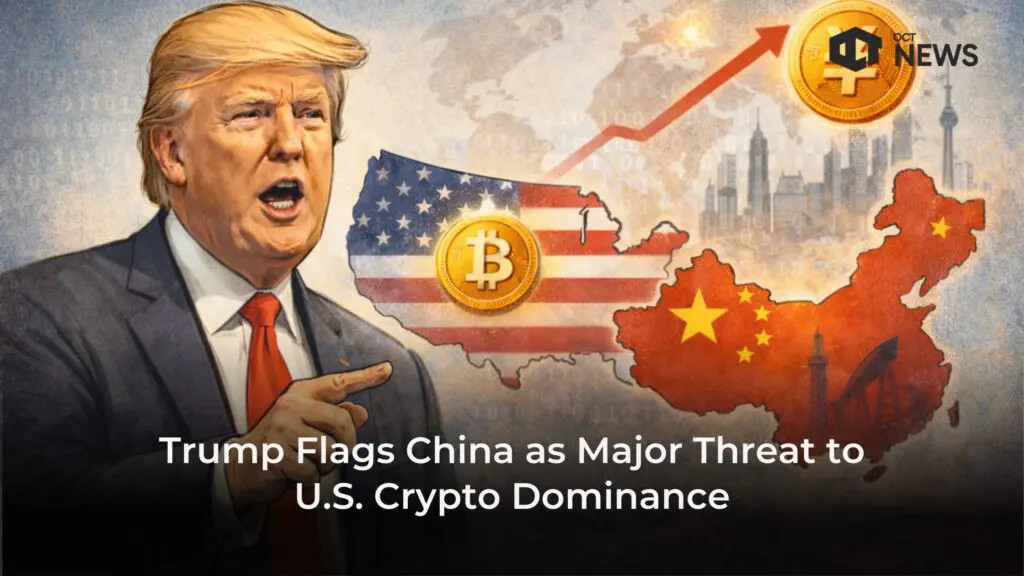
President Donald Trump flags China as a major threat on February 2, 2026, warning it could dominate the cryptocurrency landscape if the U.S. does not strengthen its leadership, framing digital assets as a critical arena in the ongoing geopolitical rivalry, similar to artificial intelligence.
High Signal Summary For A Quick Glance
- What changes: Crypto is positioned as a U.S. strategic priority and competitiveness issue versus China.
- What stays the same: Regulatory frameworks and enforcement posture remain unchanged for now.
- Why it matters: Elevates crypto to a geopolitical narrative that can shape capital flows, regulatory timelines, and where innovation clusters globally.
- Retail traders: Short-term volatility and trading opportunities across BTC and major alts as sentiment reacts to headlines.
- Long-term holders: A stronger “U.S. leadership” narrative could reinforce long-term conviction and value framing.
- Institutions: China-focused positioning may accelerate investment appetite and push clearer regulatory pathways to keep innovation domestic.
- Builders: Greater incentive to build in the U.S. rather than offshore jurisdictions if policy momentum strengthens.
Why Trump Is Framing Crypto as a U.S.-China Race
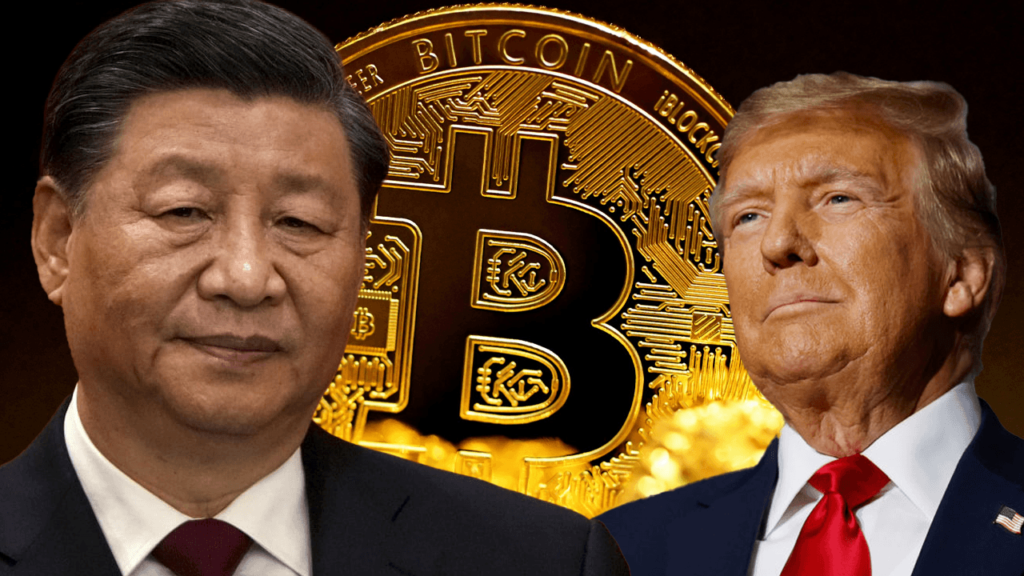
Trump’s Feb. 2, 2026 warning that China could dominate crypto if the U.S. falls behind aligns with his long-standing pro-crypto stance. Since his 2024 campaign, he has pushed crypto leadership as a strategic priority, reinforced by rising U.S.–China tensions in AI, blockchain, and digital currencies like China’s e-CNY.
The comments, made at a press event, echoed earlier warnings in 2024 and 2025 and were largely expected. Similar statements have previously boosted market sentiment. Bitcoin rose roughly 10–20% after past pro-crypto remarks—though broader market forces also played a role.
Key milestones in Trump’s crypto stance from skepticism to strategic dominance
Trump attacks Bitcoin and crypto
Trump tweets criticism of Bitcoin and cryptocurrencies, calling them scam-like and raising concerns about illegal activity and dollar competition.
Crypto dominance pledge at Bitcoin conference
Trump vows U.S. leadership in crypto to counter China, proposing a national Bitcoin stockpile and a crypto advisory council.
Executive order forms crypto working group
Trump signs an executive order creating an internal working group to position the U.S. as the global crypto capital and reverse earlier restrictive policy direction.
Strategic Bitcoin Reserve launched
An executive order establishes the Strategic Bitcoin Reserve and U.S. Digital Asset Stockpile, using seized assets to build federal holdings.
Tariff threat triggers liquidation crash
Trump’s warning of 100% China tariffs sparks geopolitical risk-off, contributing to a historic ~$19B crypto liquidation event.
Trump warns China will lead without U.S. action
Trump reiterates that China will dominate crypto if the U.S. fails to prioritize innovation, regulation, and strategic leadership in digital assets.
What Coverage Is Missing in Trump’s Crypto Warning
Most reports frame crypto as a U.S.–China race but miss key nuances. China bans private crypto while aggressively advancing state-backed blockchain and the e-CNY, giving it influence over global digital finance standards without decentralization risks.
Coverage also downplays U.S. trade-offs. Pushing crypto leadership could strain resources amid tariffs and supply-chain tensions, while rapid deregulation may raise risks around energy use, cybersecurity, and economic imbalance.
What Readers Should Watch Next
- Policy Developments: Track upcoming U.S. legislative proposals or executive orders on crypto regulation, as Trump’s warning could accelerate bills aimed at fostering innovation and national stockpiles to counter China.
- Market Volatility: Monitor Bitcoin and major altcoin prices for short-term spikes or dips, given historical rallies following similar pro-crypto rhetoric from Trump.
- China’s Response: Watch for official statements or advancements from Chinese authorities on digital yuan or blockchain tech, which might escalate geopolitical tensions in the space.
- Industry Reactions: Follow endorsements or criticisms from crypto leaders and firms on X or conferences, potentially influencing broader adoption and investment trends.